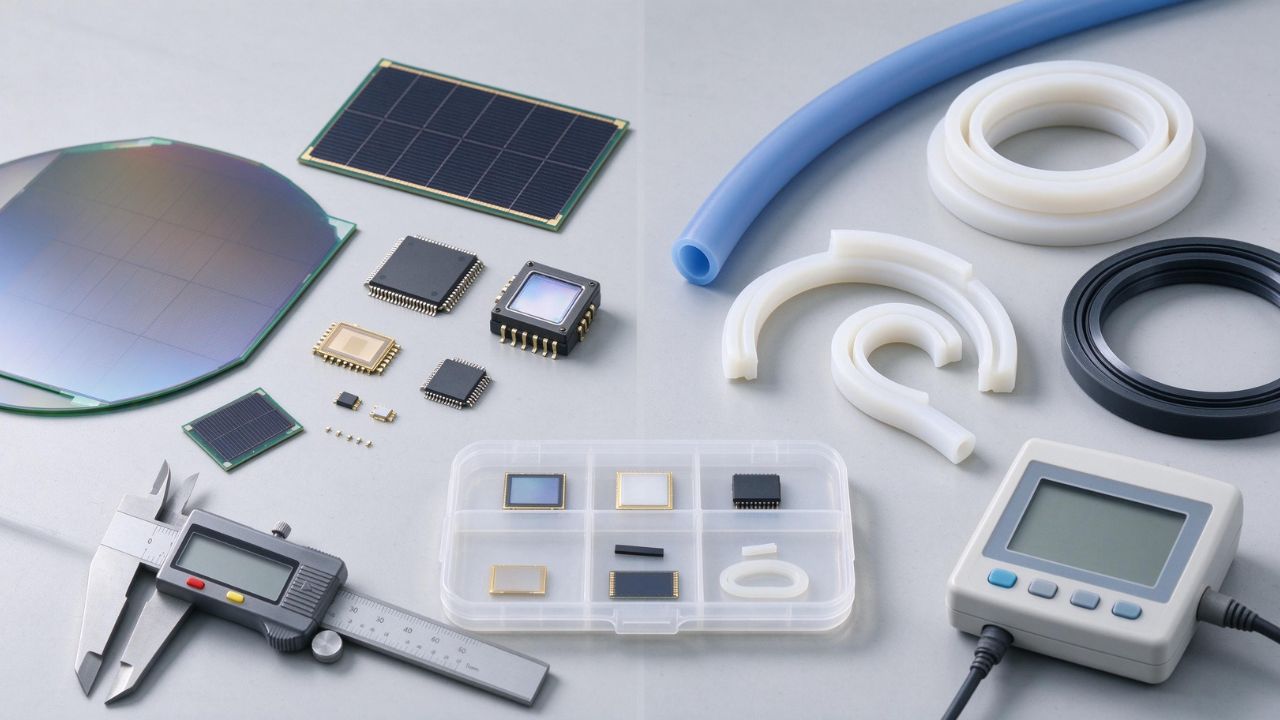
Confusing silicone and plastic can result in material selection failure, non-compliant products, batch rework, and increased production costs. This article breaks down the differences between silicone and plastic and shares clear selection criteria to help you pick the right material for your project
Why Is Silicone Often Confused With Plastic?
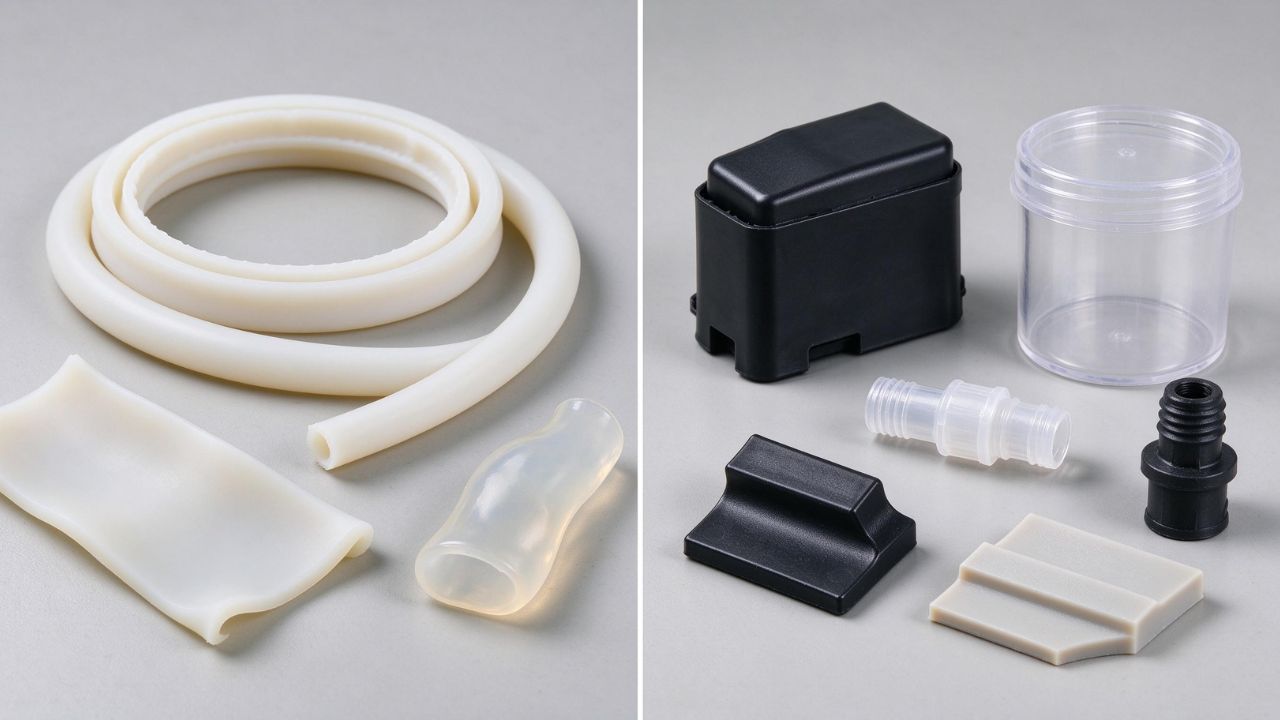
A common misconception is that silicone is plastic. However, silicone is a polymer, but fully cured flexible silicone is formally classified as an elastomer, not a conventional carbon-based plastic. The key structural difference is that silicone polymers have a silicon–oxygen backbone, whereas many conventional plastics are built primarily around carbon-based polymer backbones.
Silicone is often mistaken for plastic for several reasons:
- Firstly, many silicone products and plastic parts are made using similar molding processes, such as injection molding and compression molding. This makes it difficult for people to distinguish whether a product is silicone or plastic based on its appearance.
- Secondly, silicone can be formulated to have different hardness levels. It can be made into soft silicone that is as elastic as rubber, or hard silicone that is as rigid as plastic. This wide hardness range makes it difficult to tell the two materials apart by touch alone.
- Thirdly, many daily items can be made either from plastic or silicone, such as baking molds and spatulas. When silicone is used as a substitute for plastic, people naturally assume it is plastic.
What Is Silicone? Definition, Common Grades and Core Properties
Silicone is a family of synthetic, silicon-based polymers with a repeating silicon–oxygen backbone and organic groups attached to the silicon atoms. Silicone is manufactured from silicon-derived raw materials and contains silicon, oxygen, carbon, and hydrogen in its polymer structure.
The siloxane structure gives silicone its characteristic material properties, including low surface energy, thermal stability, flexibility, weather resistance, UV resistance, and chemical resistance.
Silicone is available in three classifications with varying degrees of mechanical strength, thermal resistance, and biocompatibility. The following are the common application areas of silicone:
- Food-Grade Silicone: Food-contact tubing, gaskets, and conveyor components
- Medical-Grade Silicone: Implants, catheters, surgical devices, and pharmaceutical processing parts
- Industrial-Grade Silicone: Seals, gaskets, insulation, and outdoor engineering components
Silicone is widely used in industries that have high requirements for precision, safety, and durability. Moreover, its non-toxicity, heat resistance, and excellent ductility make it the preferred material for food-grade applications, medical devices, and the electronics industry.
What Is Plastic? Classification and Key Properties
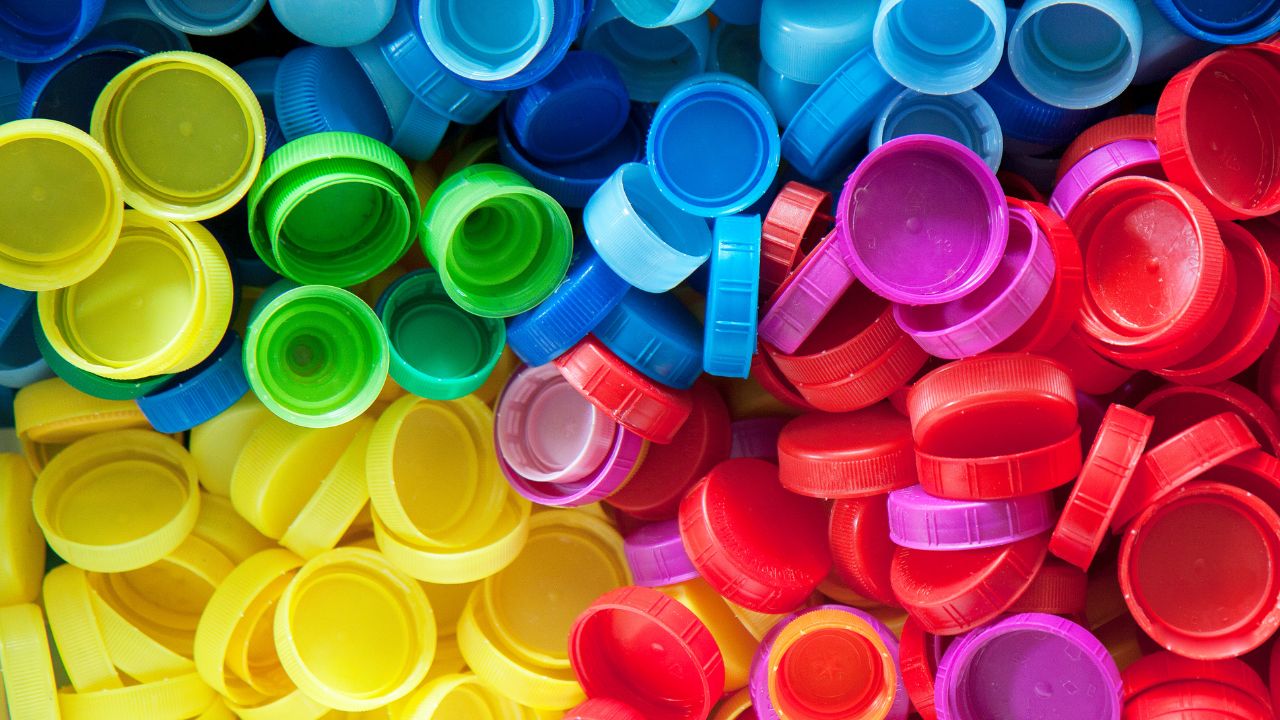
Plastic is a broad class of polymeric materials, many of which are based on carbon-containing polymer chains and can be modified with additives to achieve different properties. Most plastics are made from chemical substances derived from petroleum, natural gas, or coal.
Plastic types vary widely in plasticizer, stabilizer, and additive content, creating tailored properties for different use cases.
Based on their response to heat, plastics are commonly divided into thermoplastics and thermosets:
- Thermoplastics: polyethylene (PE), polypropylene, polycarbonate, PVC, PET, nylon, and ABS.
- Thermosets: epoxy resin, phenolic resin, amino plastics
The main advantage of plastics is their versatility and cost-effectiveness. They are the preferred materials in the packaging, construction, and automotive industries, enabling large-scale production and maintaining a price advantage.
Silicone vs. Plastic: Core Performance Differences
Heat Resistance
Silicone can maintain stable performance within an extreme temperature range of -60°C to 230°C, with short-term peak resistance up to 300°C for specialty high-temperature grades. However, most plastics will melt or deform at high temperatures.
Chemical Resistance
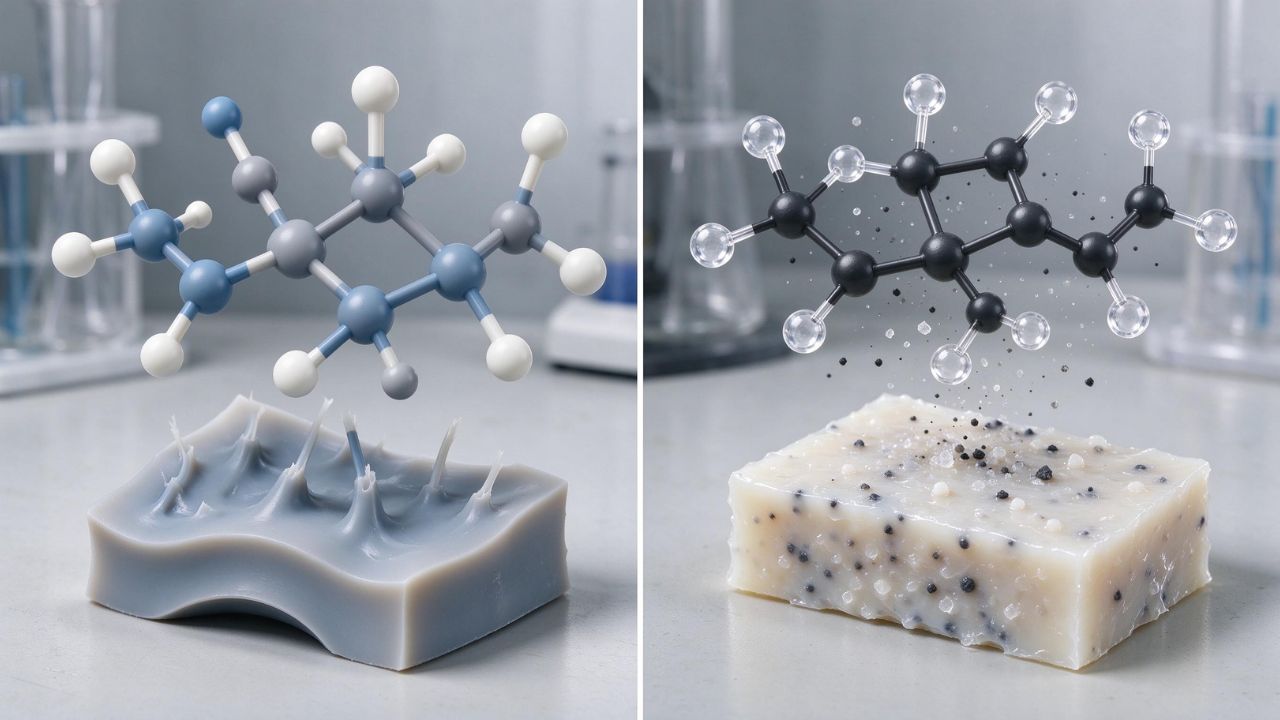
Silicone has excellent chemical stability and is inert to most mild acids, bases, oils, and aqueous solutions. It performs reliably against oils, greases, and most common industrial chemicals. However, some plastics release toxic substances at high temperatures, such as bisphenol A or phthalates.
Durability
Silicone generally offers good long-term resistance to heat, weathering, UV exposure, and aging, depending on the grade and application conditions.
Some plastics may become brittle, discolor, or lose mechanical properties after prolonged UV exposure, although UV-stabilized grades can provide improved resistance.
Flexibility
Silicone has a texture similar to rubber and exhibits excellent flexibility and elasticity. Plastic, on the other hand, is usually rigid or semi-rigid and has relatively weak bending ability.
Table 1: Silicone vs Plastic: Side-by-Side Comparison
| Property | Silicone | Conventional Plastic |
| Polymer Structure | Silicon–oxygen backbone with organic side groups | Primarily carbon-based polymer structures |
| Durability | Extremely durable, with high strength and wear resistance | Becomes brittle over time |
| Thermal Resistance | Generally wide-ranging, depending on grade and formulation | Varies widely by resin; engineering plastics can offer high-temperature resistance |
| Elasticity | High elasticity | Usually rigid or semi-rigid |
| Chemical Resistance | Excellent against oils and chemicals | May leach additives under high heat or prolonged UV exposure, depending on resin grade and formulation |
| UV & Ozone Resistance | Excellent resistance | Varies depending on plastic type |
| Cost | Often higher for specialized grades and processing | Often lower for high-volume applications |
| Application | Seals, gaskets, medical components, kitchenware | Packaging, containers, housings |
How to Choose Between Silicone and Plastic for Your Project?
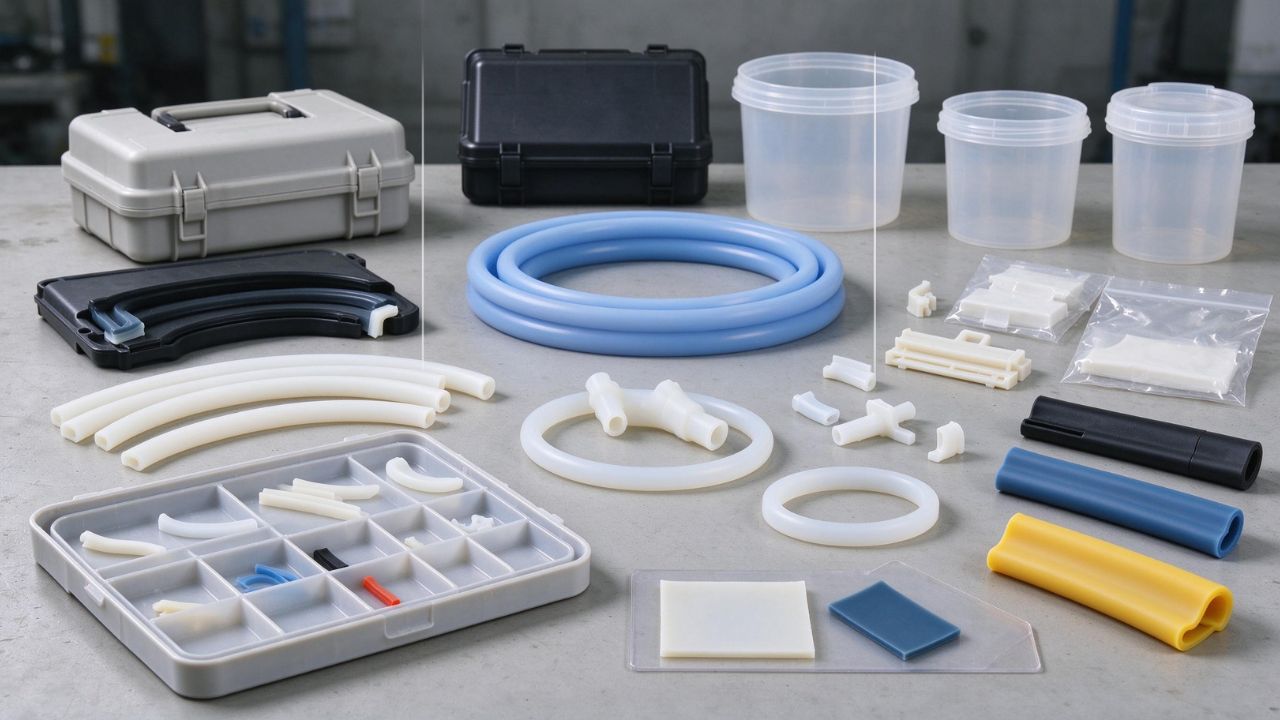
When deciding whether to use silicone or plastic as the raw material for your product, you need to take into account a variety of factors, including the expected lifespan of the product, production scale, production cost, application, and environmental protection standards, etc.
Durability & Heat Resistance
The durability and chemical resistance of silicone products are better than those of plastics.
Silicone can withstand high temperatures, extreme cold, corrosive chemicals, rain, and ultraviolet radiation without showing signs of melting or cracking, and it does not release toxic substances such as polytetrafluoroethylene.
However, most plastics tend to deform under high temperatures and will become brittle and even break after long-term exposure to ultraviolet rays. Some plastics will release harmful toxic substances to the human body and the environment when burned or come into contact with chemicals.
Food Contact
If your product needs to come into direct contact with food or the human body, or is used in the medical industry, it is recommended that you choose compliant silicone. Because these industries have strict standards for material migration and biological compatibility. Food-grade silicone can meet global food contact regulations such as FDA 21 CFR 177.2600 and EU 1935/2004; medical platinum-cured silicone can pass ISO 10993 biological compatibility and USP Class VI tests, and can withstand repeated high-temperature and high-pressure sterilization.
However, many ordinary plastics, even if labeled for food contact, still have the risk of additive leaching under continuous high-temperature and disinfection cycles, and will age and become brittle over time when used for the long term.
Lifecycle Environmental Performance & Carbon Footprint

If environmental performance is an important project requirement, you should compare silicone and plastic across the full product lifecycle rather than focusing on biodegradability alone.
Although both silicone and plastic are non-biodegradable, silicone poses less harm. Silicone can be recycled, but it usually requires specialized recycling facilities for processing. When properly incinerated, it breaks down into inert silica ash without releasing toxic fumes.
Moreover, silicone products have an extremely long lifespan, thereby reducing the total amount of waste throughout the product’s entire life cycle.
In contrast, plastic gradually decomposes into microplastics over time and releases toxic gases, which not only pose a threat to human health but also exacerbate environmental pollution
Material Cost & Volume Considerations
Generally speaking, silicone products have a more complex manufacturing process and higher raw material costs, so their production costs are usually higher than those of plastic products. However, silicone products have a much longer lifespan than plastic ones, which can make up for the initial investment, especially in high-frequency usage or special application fields.
Plastics have a faster production speed and lower raw material costs, so they are usually more cost-effective. If you don’t need products with high durability or extreme temperature tolerance, plastics can be your preferred material. This allows you to achieve a faster production speed while also saving production costs.
Applications
Silicone is widely used in industries such as healthcare, automotive, electronics, and consumer goods. Its biocompatibility makes it suitable for medical devices and implants, while its heat resistance makes it an ideal choice for kitchenware, seals, and gaskets.
Due to their lightweight nature and cost-effectiveness, plastics dominate the packaging, consumer goods, and construction materials sectors. For example, plastic bottles, containers, toys, and everyday household items are typically made from various types of plastics.
When Should You Choose Silicone Over Plastic?
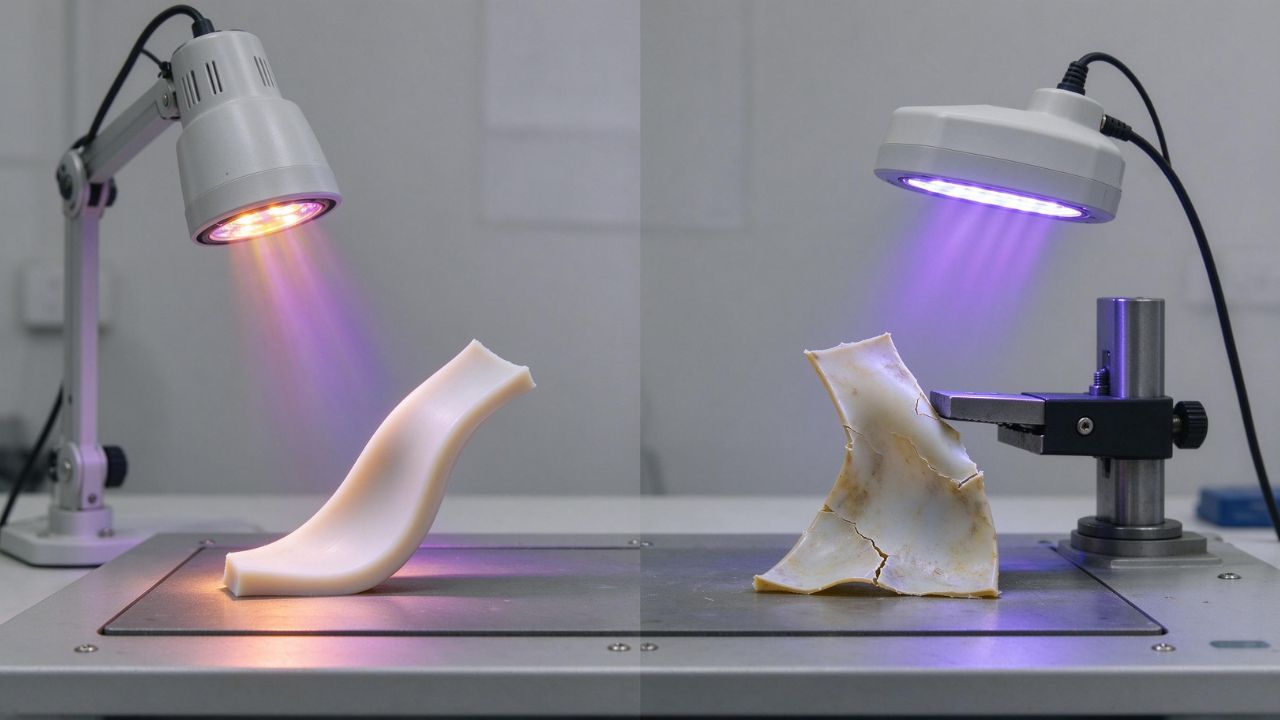
Silicone is typically selected under the following circumstances:
- The product must be able to withstand high or low temperatures.
- The flexibility must remain stable over time.
- It is expected to be exposed to weather or ultraviolet light.
In the following cases, plastic may be a better choice:
- A rigid structural component is needed.
- Lightweight mass production is crucial.
- Cost-effectiveness is an important factor.
FAQ
Does Silicone Absorb Moisture and Swell Like Plastics?
No, silicone does not absorb moisture and swell like most plastics. The molecular structure of silicone, with silicon-oxygen as the main chain, gives it low hygroscopicity. Water molecules are difficult to penetrate the material’s interior. Instead, they will form water droplets on the surface and then fall off. Moreover, the organic side groups attached to the silicon atoms can further enhance the water resistance of the material.
Is Silicone Safer than Plastic for Cooking?
Neither material is universally safer; compliance and intended use matter. Food-grade silicone remains chemically inert for continuous use from -40℃ to 230℃ and will not melt, deform, or be damaged. In contrast, plastic will release microplastics and harmful chemicals, such as bisphenol A (BPA) and phthalates, when heated, and these substances will eventually transfer to the food.
Does Silicone Contain Plasticizers?
No, silicone products generally do not contain plasticizers. Adding plasticizers to plastics is to enhance their flexibility, but the flexibility of silicone is achieved through its own silicon-oxygen backbone, and it does not need to be softened by external plasticizers.
Does Silicone Release Microplastics When Heated?
Silicone is not plastic. High-quality food-grade silicone does not release microplastics under normal working temperatures. However, severely worn or low-quality silicone products may release tiny silicon oxide particles over time. Therefore, we recommend that if your silicone product shows severe wear or damage, you should replace it promptly.
Can Silicone Withstand Repeated Autoclave Sterilization Better Than Medical Plastics?
During the high-pressure steam sterilization process, 121℃ to 134℃ high-pressure steam is required. The maximum heat resistance temperature of platinum-cured silicone is up to 200 degrees Celsius. This means that the high-pressure sterilization cycle has very little impact on its physical properties, while standard medical plastics would suffer from thermal damage. However, high-performance medical plastics such as PEEK can withstand repeated high-pressure sterilization. The specific choice depends on your requirements.
Final Thoughts
The excellent biocompatibility, durability, heat resistance, and low environmental impact of silicone make it a much broader application range than plastics. Send us your silicone grade requirements, target compliance standards, and estimated volume if you are sourcing high-quality silicone products. NICEONE can provide custom silicone products and a detailed quotation.