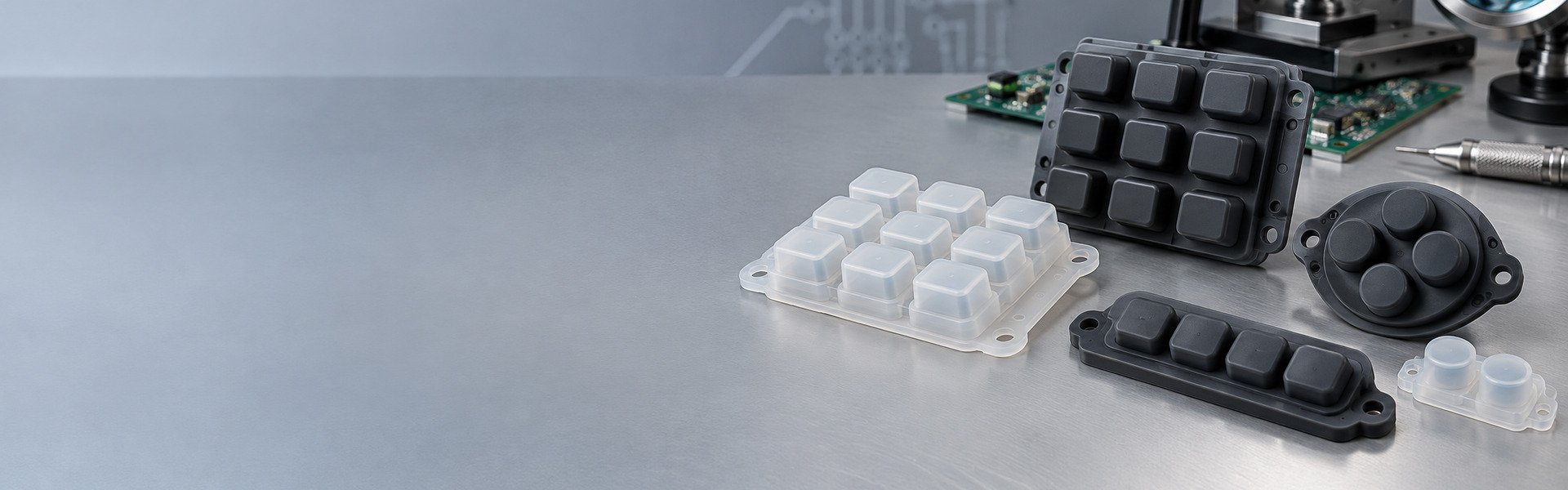
Leading Silicone Keypad Supplier In China
Niceone-Rubber is a silicone keypad manufacturer certified to ISO 13485 and IATF 16949. Our silicone keypads include laser-etched backlit designs, conductive carbon pill keypads and IP67-rated waterproof overlays for use in the medical, industrial, automotive and smart hardware sectors.
We offer VMQ and FVMQ fluorosilicone, as well as medical-grade LSR. We can customize the hardness, actuation force and snap ratio according to your specifications. Our precision-controlled laser etching provides uniform backlighting without light bleed. To meet your resistance targets, we offer conductive options including carbon pills, conductive ink and gold-plated contacts.
Drop-in keypad modules featuring fully tested metal domes and FPCs are available. A DFM report is provided for every custom project prior to tooling. All tooling, molding and finishing is carried out in-house with full batch traceability and laboratory batch validation. Send us your 3D drawings or specifications to receive a free DFM review and customized quote within 24 working hours.
Our Silicone Keypad Types
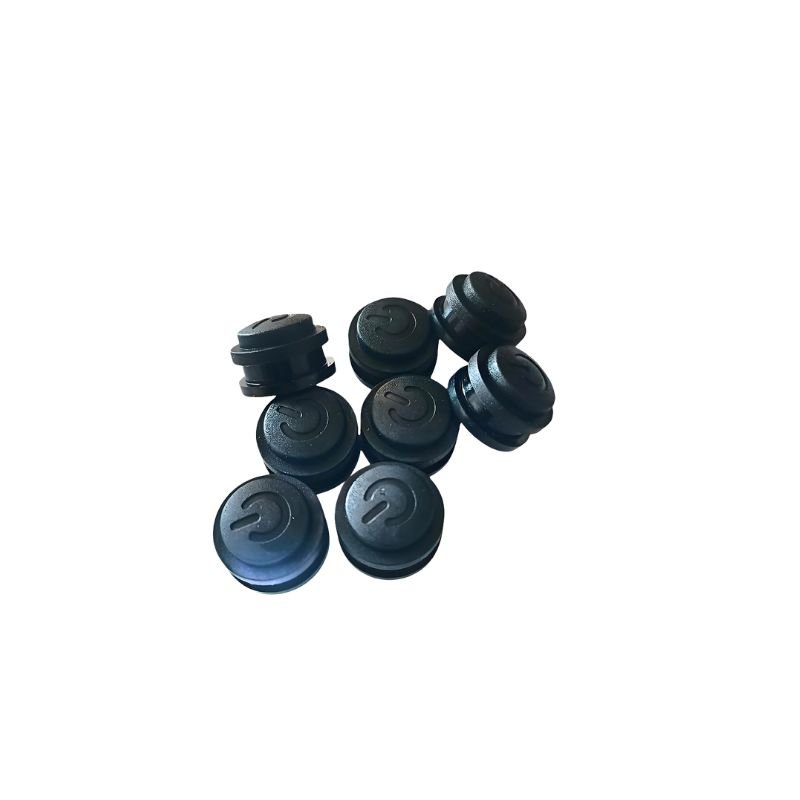
It has an independent carbon pill or printed contact. Pairs with a metal dome for a crisp, clicky feel. Low-cost, quick-turn tooling.
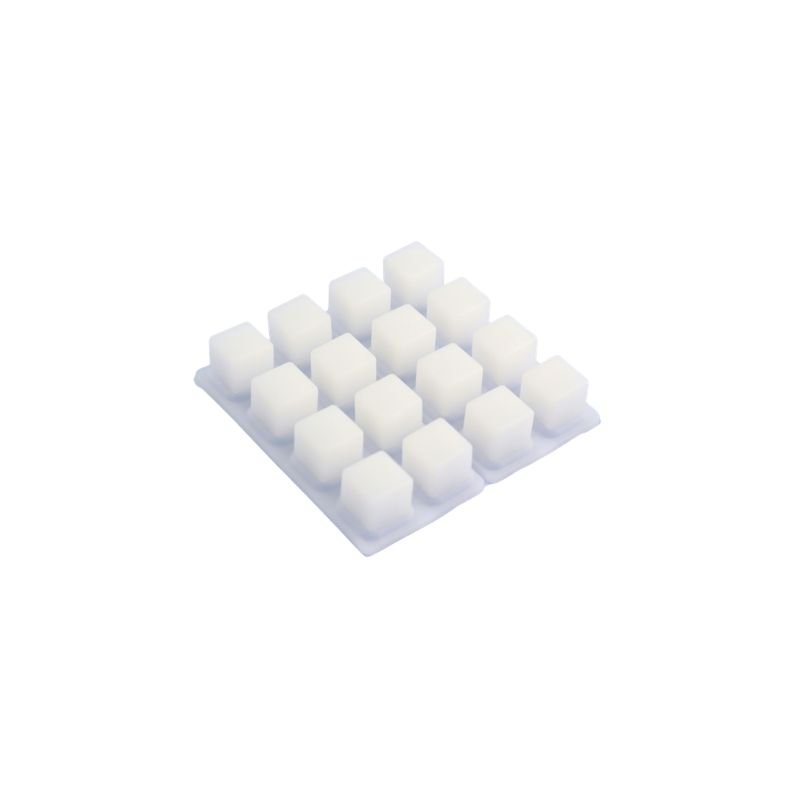
A one-piece silicone mat available in 3×4, 4×4 or 6×6 layouts. Ideal for instrument panels and numeric keypads.
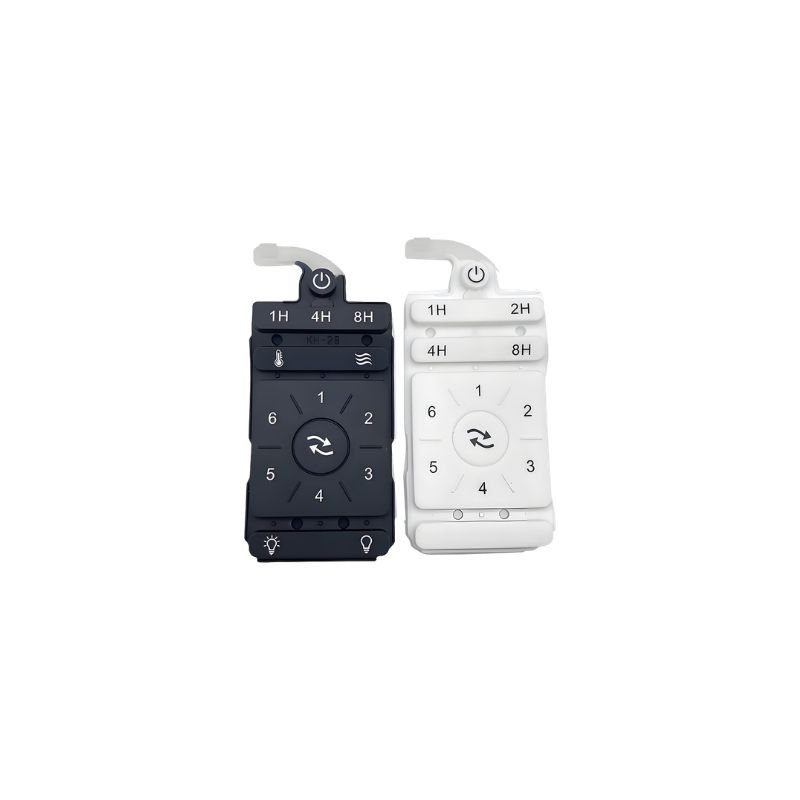
Precision spray-painted and laser-etched keypads. Depth and laser-angle control ensure uniform backlighting with minimal haloing or light bleed.
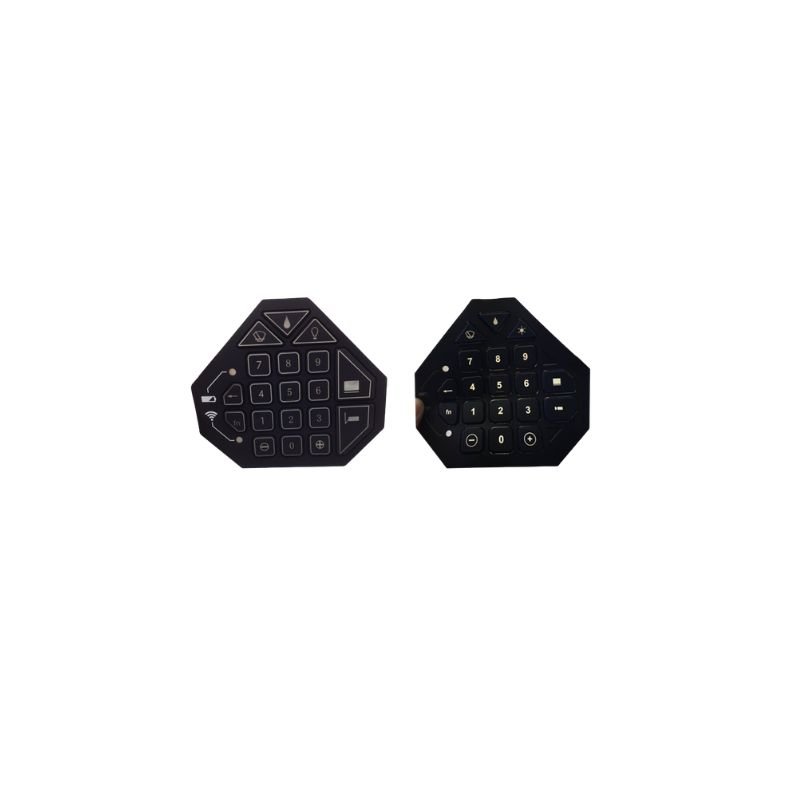
These printed conductive traces are designed for curved or 3D surfaces where rigid carbon particles cannot be embedded. Contact resistance: 250–500 Ω.
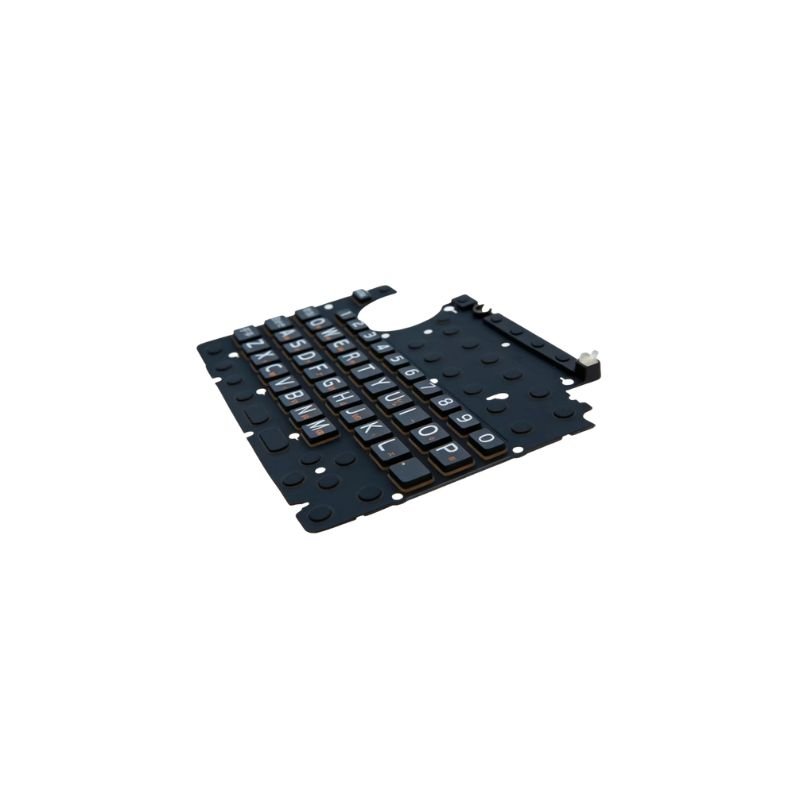
A silicone, metal dome and FPC are combined into one module. This reduces PCB tolerance stack-up. Designed for high-volume assembly.
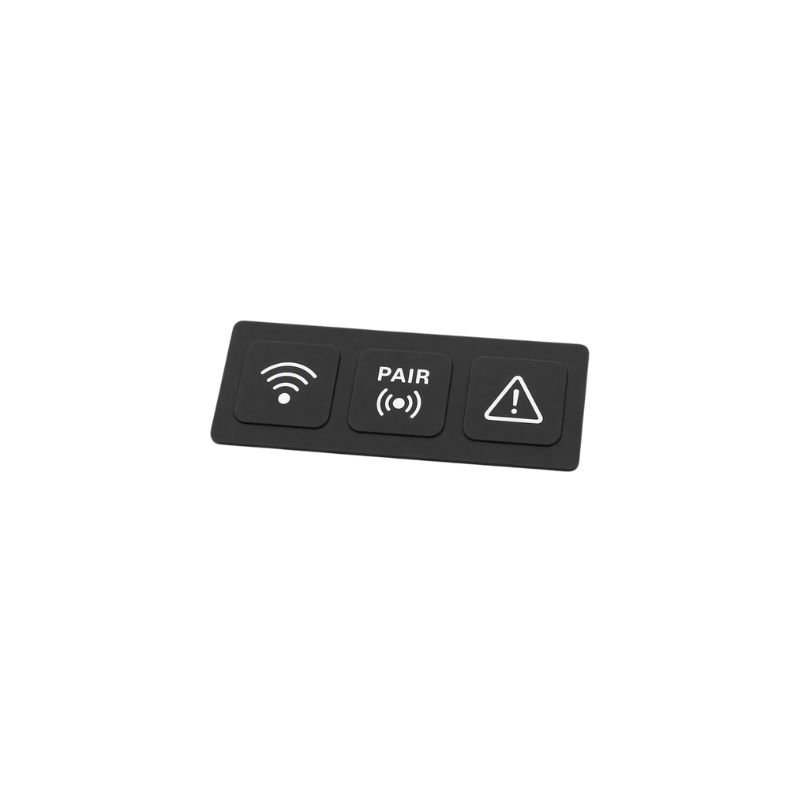
LSR for thin structures with a stroke down to 0.8 mm. It fits handheld, portable and space-efficient devices.
Why Choose Niceone-Rubber Silicone Keypad

The actuation force is tunable from 60 to 500 g, and the 40 to 60% snap ratio delivers crisp and repeatable tactile feedback.

We supply carbon pills, conductive ink and precious metal contacts, as well as supporting external metal domes.

Legends can be screen-printed or laser-etched, and can withstand over 500 IPA/RCA cycles for use in medical disinfection.

Resists UV rays, grease, sweat and disinfectants. Avoids tackiness, hardening and cracking at temperatures ranging from -40 to +180°C.

It supports an IP65/IP67/IP69K-capable system design. The final rating depends on the complete housing and sealing assembly.

500 000‑10 000 000 cycles; compression set of ≤15% prevents collapse and rebound failure.

It is engineered to prevent halos, light bleed and cross-talk. This ensures even backlighting for low-light operation.

Custom layouts, geometries, Pantone colours and Shore‑A hardness; single‑key to large‑matrix assemblies tailored to your requirements.
Silicone Keypad Design‑to‑Production Support
We offer a pre-tooling DFM manufacturability review of STEP, IGES and PDF drawings, identifying risks and reducing the need for costly post-tooling revisions. NDAs protect your proprietary project data.
The prototype lead time is 7–10 working days for sample validation of tactile feel, conductivity, and backlight performance. Low-volume trial production is supported to bridge the gap between prototype verification and mass manufacturing.
Full test reports are available upon request and cover the following areas: cycle life, RCA abrasion, IPA disinfection wiping, UV and thermal ageing, and contact-resistance stability. Medical biocompatibility documentation is also available.
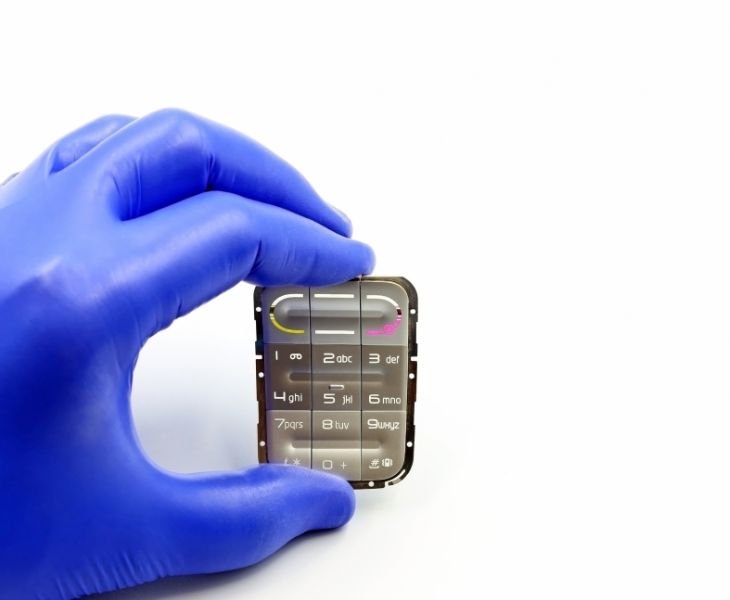
Applications of Silicone Keypad
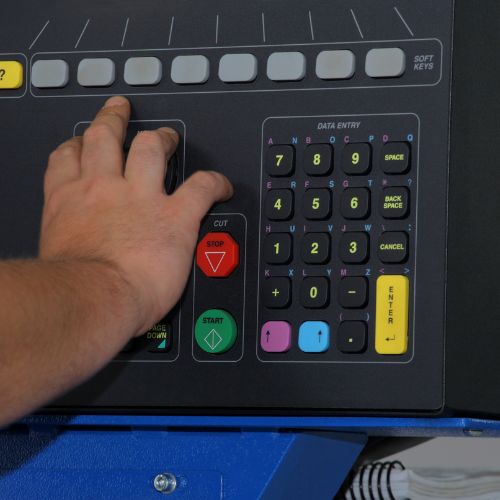
Our silicone keypads provide reliable tactile and conductive performance. They are typically installed on machine consoles, instrument front panels, and equipment dashboards.
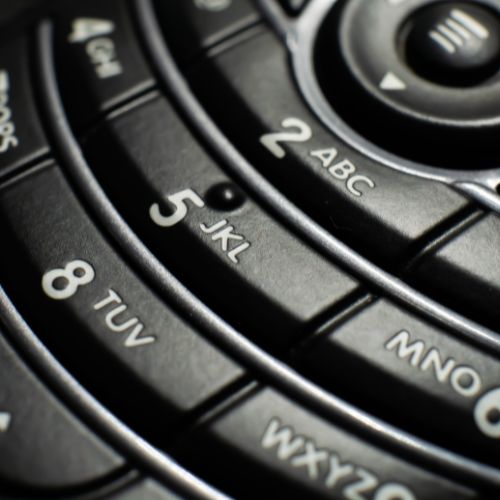
These thin, impact-resistant keypads can withstand frequent drops and knocks. They are widely used in remote controls, barcode scanners, and mobile field-use terminals.
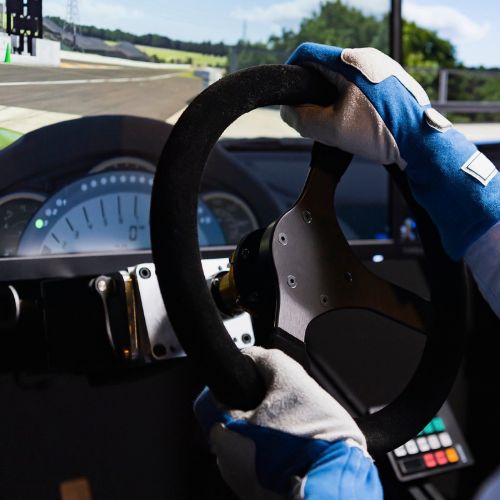
Our keypads are resistant to grease and wide temperature fluctuations. They are designed to fit neatly within center stacks, overhead consoles and automotive steering wheel switch assemblies.
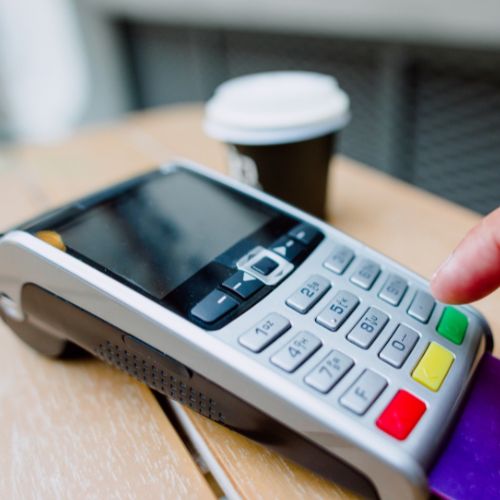
These keypads are used in coffee machines, microwaves, POS terminals and security access panels. Customisable keypads support graphics, colour and backlight options for mass production.
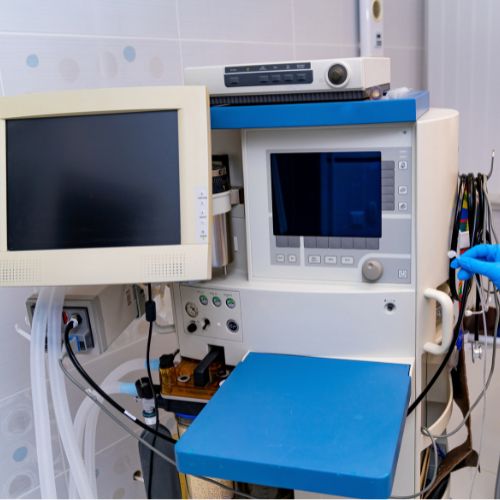
These LSR-molded keypads can withstand repeated IPA disinfection and comply with ISO 10993 requirements. They can be found on bedside monitors, diagnostic devices, and surgical console overlays.
Niceone-Rubber Silicone Keypad Specifications
- Key Technical Parameters
- Material Options
- Conductive Solution
- Custom Specification
| Item | Specification |
| Actuation Force | 60g‑500g(150‑250g preferred for medical & industrial) |
| Key Stroke | 0.5‑2.5mm; 0.8mm ultra‑thin option; 1.5‑2.0mm industrial mainstream |
| Snap‑Ratio | 0.3‑0.7; optimal working range: 0.4‑0.6 |
| Silicone Hardness | Shore A 20‑70A |
| Cycle Life | 500,000‑10,000,000 cycles |
| Compression Set | ≤15% @ 125 °C, 22 h |
| Operating Temperature | ‑40℃ ~ +180℃(FVMQ for oil‑prone conditions) |
| Tolerance Standard | ISO 3302‑1 M1 / M2 |
| IP Capability | IP65 / IP67 / IP69‑capable (depends on full housing assembly) |
| Material Grade | Core Advantage | Typical Application |
| VMQ Solid Silicone | Cost‑effective, general‑purpose compression molding | General industrial, consumer hardware |
| FVMQ Fluorosilicone | Superior oil, grease & sweat resistance | Automotive, construction machinery |
| LSR Liquid Silicone | High precision, low‑extractable, medical‑grade, thin‑wall capability | Medical equipment, ultra‑thin backlit keypads |
| Contact Type | Contact Resistance | Recommended Use Case |
| Carbon Pill | ≤100Ω | General industrial, cost‑stable high‑volume projects |
| Conductive Ink | 250‑500Ω | Complex curved & irregular keypads |
| Gold / Silver Plated Pill | < 10 Ω | Premium medical, automotive, ultra‑stable contact requirement |
| Metal Dome Compatible | Depends on selected dome components | Crisp tactile click feedback, high‑reliability panels |
| Customizable Item | Available Range / Option |
| Shape & Layout | Single key, arbitrary matrix layout, custom outline geometry |
| Color | Pantone matching, translucent for backlighting |
| Surface Treatment | Screen‑print, laser‑etch backlit, PU / epoxy coating, matte hand‑feel oil |
| Special Structure | Sealing rib, locating post, assembly boss, ultra‑thin wall |
| Assembly Service | Silicone only; silicone + metal dome; full silicone+dome+FPC assembly |
Choose silicone keypads if your device needs to be used in a workshop, medical environment or vehicle, and if it requires tactile click feedback, 3D raised keypads, impact resistance or a reliable, IP-protected seal. They can withstand frequent and rough use, and support custom key press force to ensure comfortable operation.
Choose membrane switches if you need an ultra-flat, ultra-thin panel with a thickness of less than 1 mm. They are also ideal for basic indoor equipment thanks to their easy-to-clean, disinfectable surfaces and cost-effectiveness. However, note that membrane switches have relatively limited tactile feedback and poor durability when subjected to repeated mechanical shocks.
| Comparison Metric | Silicone Keypad | Membrane Switch |
| Key Travel | 0.5‑2.5 mm | 0.2‑0.5 mm |
| Tactile Feedback | Tunable snap‑ratio, clear tactile feel | Relies on metal domes, limited tactile response |
| 3D Forming | Supports ergonomic curved geometries | Flat‑form only |
| Sealing Capability | Up to IP67 achievable | Limited sealing performance |
| Tooling Cost | Higher initial mold investment | Lower setup & screen‑tool cost |
| Unit Cost (High Volume) | Medium‑low, depends on design complexity | Low for simple flat panels |
| Expected Cycle Life | 500,000‑10,000,000 cycles | 100,000‑1,000,000 cycles |
Yes. We can fully replicate existing silicone keypads for a drop-in replacement. Using physical samples, legacy drawings or even worn-out specimens, we can match the original geometry, mounting features, actuation force and snap ratio. This prevents the need for costly PCB redesign and ensures that your existing device assembly remains unchanged. If parts are worn or degraded and there is no documentation available, we will reverse-engineer the keypad and validate the dimensions and performance against your application requirements.
- Tooling Complexity: This is the main initial cost driver. Simple, single-cavity molds require less investment. Complex geometries, undercuts and multi-cavity molds all substantially increase tooling costs.
- Material Grade: VMQ is cost-effective for general use. FVMQ fluoro-silicone is more expensive due to the higher cost of the raw materials and the specialised processing required. Medical-grade LSR is more expensive, but is required for biocompatibility and low-extractable applications.
- Surface Finishing & Assembly: Screen printing is a low-cost option. However, laser-etched backlighting adds tooling and processing time. Full assemblies incorporating metal domes and FPCs require additional component procurement and assembly labour.
- Tolerances & Order Volume: Tighter tolerances (ISO 3302-1 M1) require more precise molds and slower production cycles, which increases the cost per unit. However, higher order volumes spread tooling and setup costs across more parts, significantly reducing the per-unit price.
Common flaws include an incorrect ratio of travel to tactile feedback (snap), insufficient webbing thickness and an incorrectly designed gap between the key and the housing. These issues can result in poor tactile feel, premature wear and assembly difficulties. Poor alignment of the contacts with PCB pads can cause unstable conduction or misregistration. Early DFM reviews help mitigate these risks. Before mold manufacturing, we verify parting‑line position, draft angles and shrinkage compensation parameters to ensure production feasibility.
The majority of long-term failures are caused by material fatigue, design errors or harsh operating conditions.
- Repeated cycling can cause thin webbing structures to become fatigued, resulting in a mushy and inconsistent tactile feel.
- Degraded conductive contacts can cause an intermittent or lost electrical connection.
- Exposure to chemicals such as disinfectants, oils or contaminants can accelerate the aging of silicone and cause surface cracking.
- Improper assembly clearance can result in keys sticking and abnormal stress on keypad features.
The MOQ for custom silicone keypads with new tooling typically falls between 1,000 and 3,000 units. This covers the costs of mold setup, material changeover and the curing cycle.
After tooling, smaller prototype batches of 100–300 units are available for validation. However, these are more expensive per unit due to the labour involved in setting up the production line.
The MOQ is far lower for compatible existing molds or off-the-shelf parts. Send us your drawings and we will recommend the most cost-effective batch size.
Submit Your Silicone Keypad Requirements For Quotation
Please complete the form below. Include your 3D/2D drawings, keypad dimensions, PCB layout, required actuation force, method of conductance (e.g. carbon pill, conductive ink, gold-plating or metal dome) and preferred surface finish.
Our engineering team will review your requirements and respond with a formal quotation within 24 working hours, recommending the optimal material grade and structural design. An NDA is available upon request.