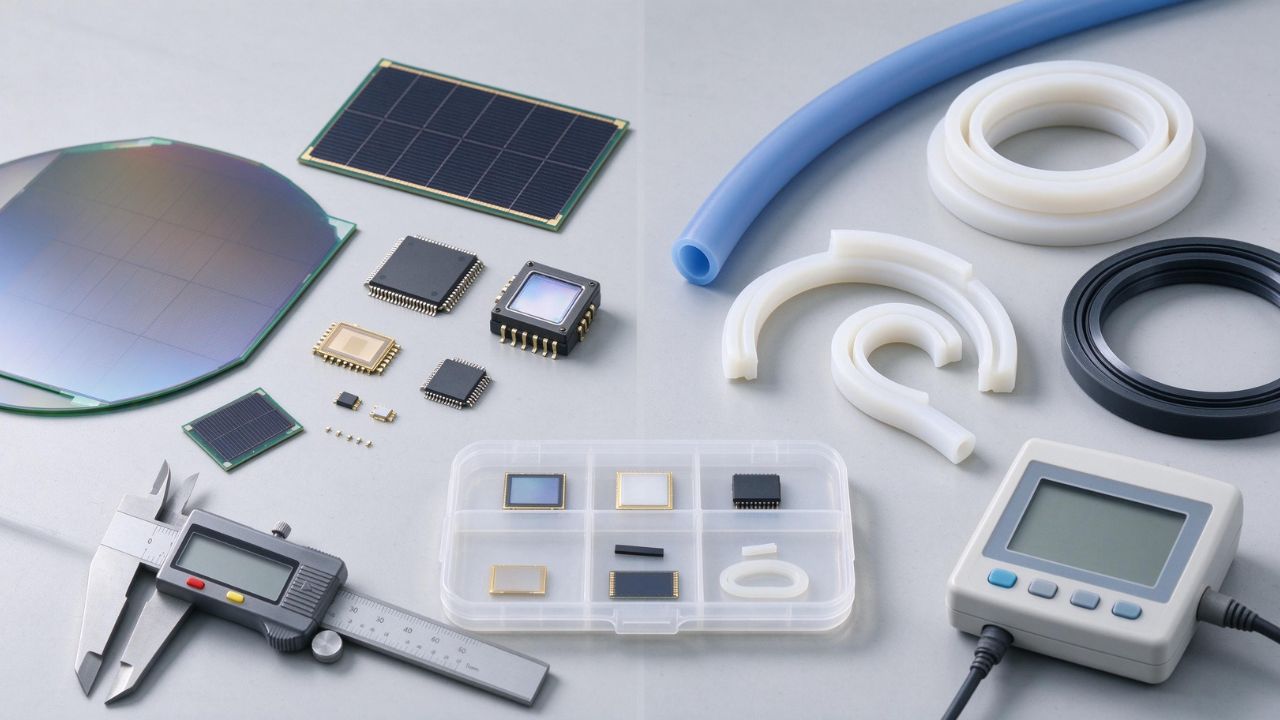
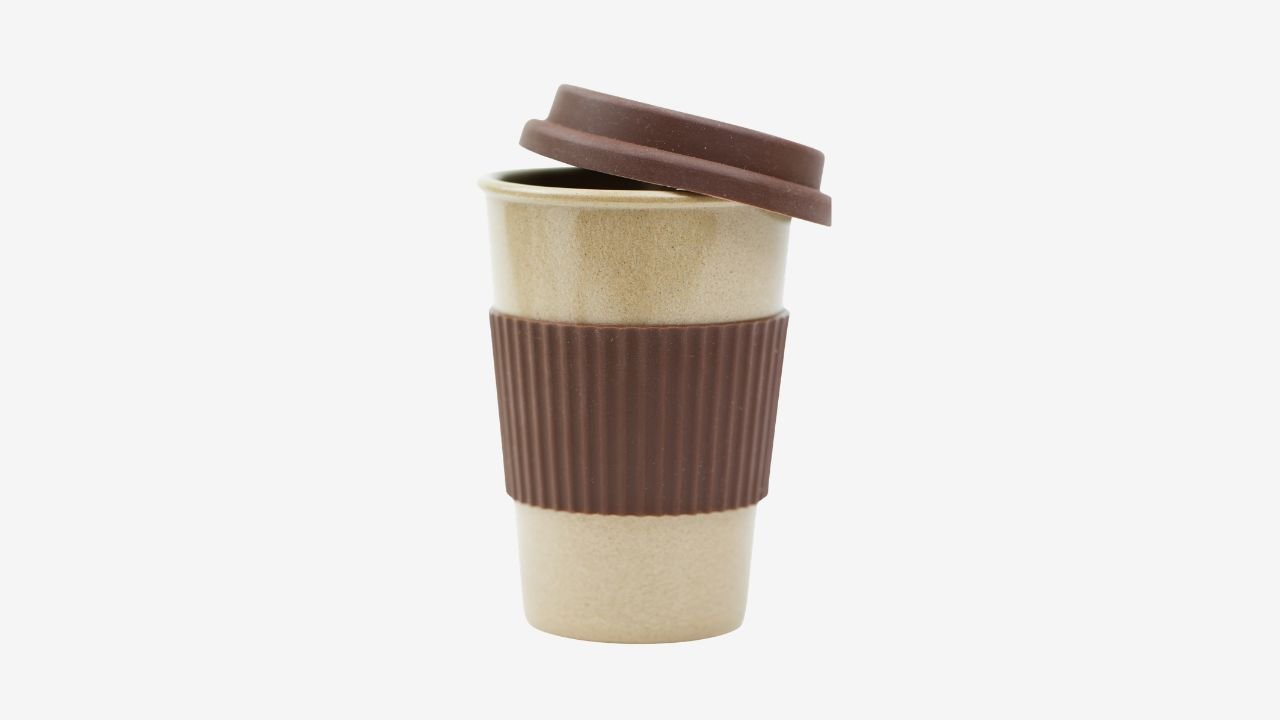
TPR and silicone are widely used in various industries such as toys, kitchens, and maternal and child products. Choosing the wrong product may result in a decrease in product quality and may even fail to pass compliance certification. This article will give you a detailed introduction to the differences between TPR and silicone, helping you select suitable materials and products.
What Is TPR?
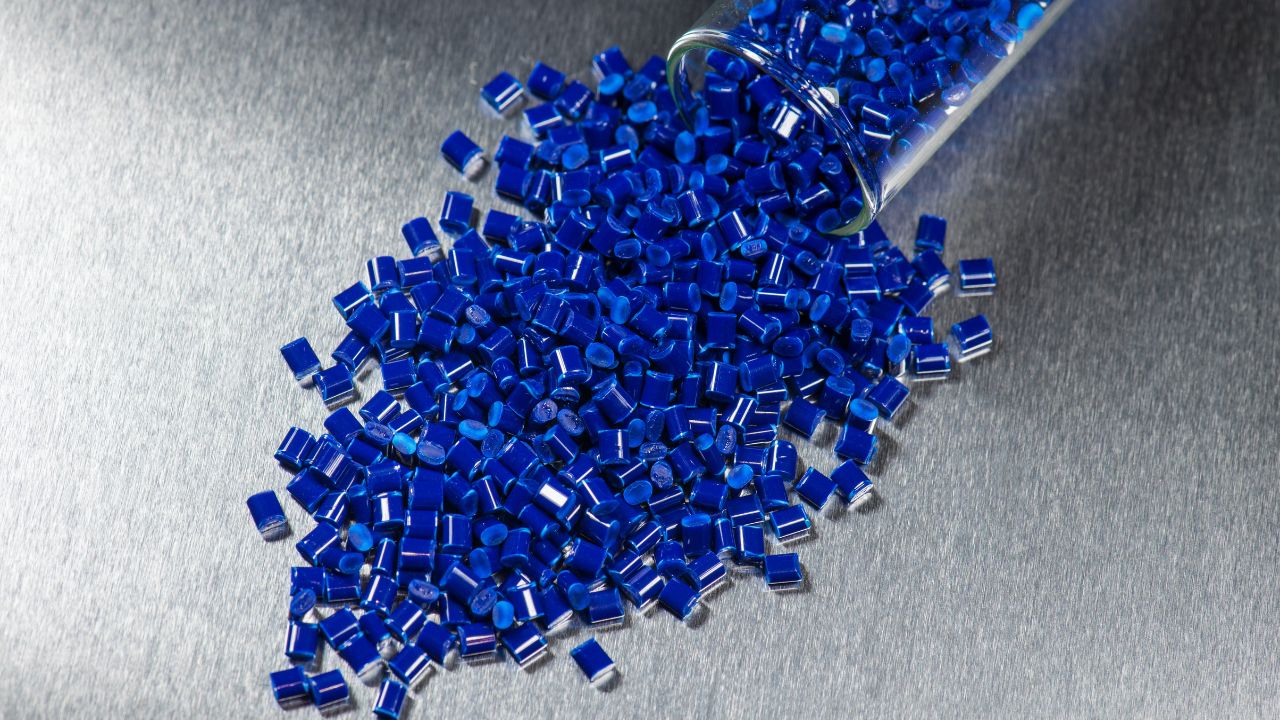
TPR stands for thermoplastic rubber. TPR material is a thermoplastic elastomer system whose formulation varies by grade and may include different polymers and additives.
Its characteristic is that it has rubber-like elasticity at room temperature and can melt and flow like plastic after heating. Therefore, it can be directly molded through processes such as injection molding and extrusion, without the need for processes such as vulcanization. Its molding cycle is short, and its scraps can also be recycled and reused.
TPR is widely used in industries such as clothing, toys, and stationery due to its low cost and mature processing technology.
What Is Silicone?
Silicone material is a thermosetting elastic material with polysiloxane as the main chain. One of its differences from TPR is that it typically requires a curing or crosslinking process, with the curing system depending on the silicone type. Cured silicone cannot be remelted and reprocessed like thermoplastic materials.
Silicone has good high- and low-temperature resistance, and excellent chemical stability. Properly formulated silicone grades can be suitable for applications requiring low odor and specific safety or compliance requirements, and are often used in maternal and child products, kitchenware, and medical industries.
If your product has high requirements for safety and durability, a suitable silicone grade may be worth considering.
The Difference Between TPR And Silicone
Quick Comparison Table
| Aspect | TPR | Silicone |
| Material Composition | Thermoplastic elastomer system; formulation varies by grade | Silicone elastomer based on polysiloxane |
| Elasticity | Good elasticity; varies by formulation | Excellent elasticity and resilience |
| Mechanical Properties | High tensile strength, moderate tear strength | Outstanding tear strength and resilience, strong tear resistance |
| Hardness | Wide hardness range; highly adjustable | Wide hardness range; available in soft and firm grades |
| Temperature Resistance | Generally lower than silicone; strongly grade-dependent | Generally wider operating temperature range |
| UV & Weather Resistance | Varies by formulation; some grades have limited long-term resistance | Generally strong resistance to UV, ozone, and weathering |
| Chemical Resistance | Depends strongly on formulation and exposure | Generally good resistance to many chemicals |
| Cycle Time | Generally shorter | Generally longer for compression molding; LSR can be highly automated |
| Cost | The cost of raw materials, molds, and individual pieces is relatively low | The cost of raw materials, molds, and vulcanization is relatively high |
| Processing Method | Injection molding/extrusion molding, no vulcanization, short cycle, recyclable | Mold pressing/injection vulcanization, long cycle, non-melting of scraps |
| Application | Toys, shoe soles, handles, casters, daily necessities | Maternal and child care, kitchenware, medical, electronic sealing, outdoor |
Strength
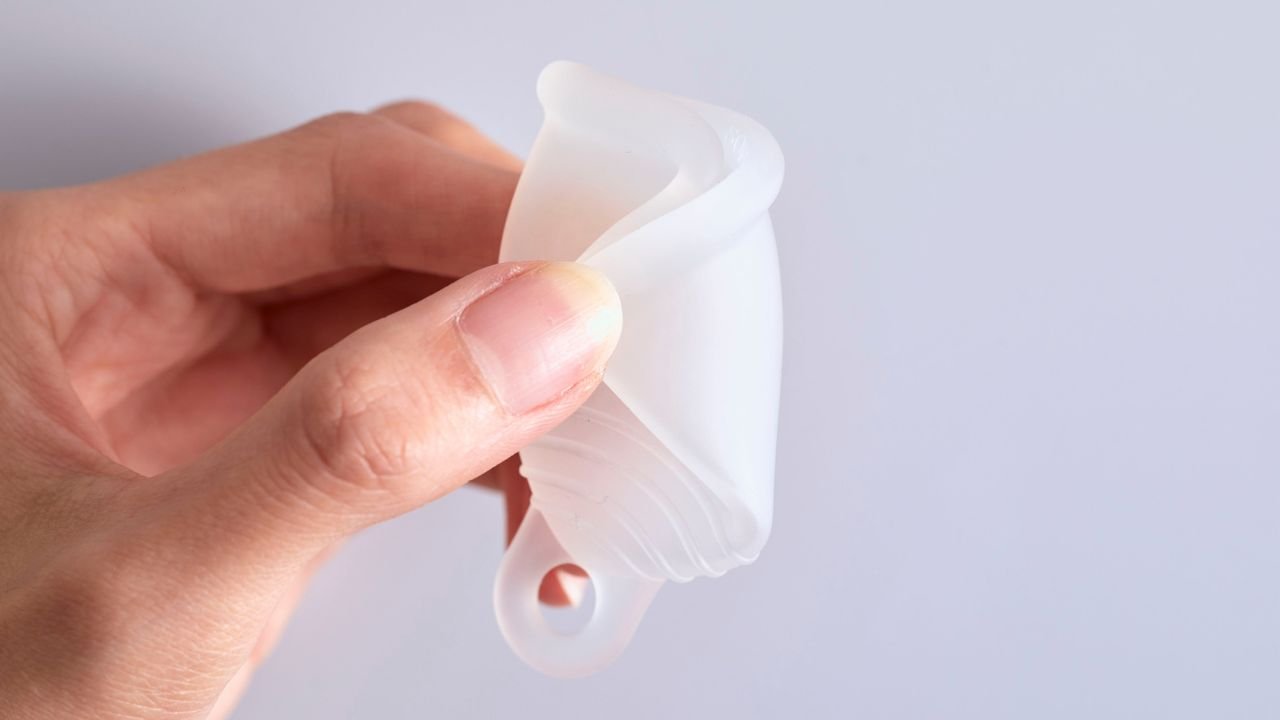
TPR exhibits good tensile strength, but its tear strength is average. It is prone to tearing after repeated bending and scratching by sharp objects, and its elastic recovery ability is not as good as silicone.
Silicone has excellent tear strength. Its resistance to tearing and puncture can be stronger than some TPR grades. Its elastic recovery is generally good, and it can offer good resistance to permanent deformation under compression. If your product requires frequent bending, pulling, or stress, then silicone is more suitable for you.
Hardness
Both TPR and silicone have a wide range of Shore A hardness levels. The specific value depends on the formulation, which can be adjusted from soft to hard.
Silicone and TPR can be made into soft or hard specifications according to specific needs. But if you want to deviate from the regular range for processing, the formula and process costs may increase.
It should be noted that TPR and silicone have different tactile sensations at the same hardness. The touch of silicone is warmer, and the rebound is softer. The feel of TPR is relatively hard, and its surface is prone to sticking and oiling after long-term use.
Durability
Generally speaking, silicone may offer better long-term performance than many general-purpose TPR grades in demanding environments. The durability can be analyzed from three aspects: temperature resistance, chemical stability and anti-aging.
Temperature resistance
- Silicone can withstand high-temperature disinfection, hot water washing, and low-temperature environments.
- The conventional temperature range for TPR is smaller than that of silicone. When the operating temperature exceeds its recommended range, some TPR grades may soften or deform. Meanwhile, at temperatures below its recommended operating range, it may become less flexible.
Therefore, if your product may require high-temperature disinfection or use in low-temperature environments, you may want to consider a suitable silicone grade.
Chemical stability
- Silicone has better chemical stability than TPR. Silicone is acid- and alkali-resistant and generally offers good resistance to many acids and alkalis under suitable conditions. TPR is prone to swelling when in contact with oils and solvents, and its oil resistance is relatively poor.
If your product is mainly used in places where there is a lot of contact with oil, such as the kitchen, a suitable silicone grade may be preferred.
Anti-aging
- Silicone resists UV radiation and ozone and generally offers good weathering resistance. If silicone is used in an outdoor environment for a long time, it is not easy to turn yellow and crack.
- In contrast, TPR’s anti-aging performance can be more limited in some formulations. TPR is prone to aging and yellowing when exposed to sunlight for a long time. Meanwhile, its surface may also become sticky or hardened.
Processing Method
TPR does not require vulcanization. It is usually injection molded or extruded. Its molding cycle is relatively short, usually completed within a few tens of seconds to two minutes. TPR processing has a high degree of automation and material utilization, making it suitable for large-scale, fast-paced assembly line production.
Silicone is mainly processed through compression molding or LIM/LSR. Its molding process requires high-temperature vulcanization, and its molding time is usually several minutes to tens of minutes, with a molding cycle longer than TPR. Silicone molded parts usually require manual material placement and trimming.
Liquid silicone can achieve automated production, but the investment requirements for equipment and molds are relatively high.
Application Scenarios
TPR and silicone have a wide range of applications, but their focus is different.
- TPR is mainly used for products that are sensitive to cost and production efficiency and have a mild usage environment. Its common application scenarios include toys, shoe soles, sealing strips, luggage accessories, sports equipment, stationery, and so on.
- Silicone is mainly used for products that require high safety compliance, temperature resistance, and durability. For example, maternal and child products, kitchen supplies, medical equipment, electronic device sealing rings, outdoor products, beauty tools, and so on.
How To Choose TPR And Silicone?
The choice of materials directly affects the quality and return rate of the product. When choosing materials, you need to consider factors such as product positioning, usage environment, and compliance requirements comprehensively.
The right material depends on the required properties, operating environment, processing method, compliance requirements, production volume, and so on.
Product Features
Before selecting materials for a product, you need to first clarify the characteristics and requirements of your product. You should choose suitable materials based on the characteristics of different products.
- When the required hardness, elasticity recovery, tear resistance, and tactile performance are high, silicone may be suitable.
- If your product is a structural component, grip component, or other product that does not require high flexibility, then you can choose TPR. TPR can help you reduce the cost of your product.
Both silicone and TPR can be customized in color, but silicone has a more stable color and is less prone to yellowing.
Usage Environment
In addition to the characteristics of the product itself, you also need to consider the characteristics of the product’s application environment. The needs for indoor and outdoor environments are different.
- If your product requires contact with hot water and high-temperature disinfection, or needs to be used in outdoor exposure or extreme low temperature environments, you should choose the appropriate silicone grade.
- If your product is used indoors at room temperature and in a relatively mild environment, then TPR can meet your needs.
Service Life
The service life of silicone and TPR differs. Silicone may be preferred when long-term UV, weathering, temperature, or elastic-performance stability is a key requirement. If your product is positioned as a rapidly evolving consumer product such as toys or promotional items, then TPR is more suitable for you.
Cost
From a procurement perspective, TPR can often offer a lower manufacturing cost in suitable high-volume applications. TPR has relatively low raw material and injection mold costs, and its molding cycle is short, with recyclable scraps. Therefore, its procurement cost is usually lower than that of silicone.
Silicone not only has a higher raw material price than TPR, but also requires vulcanization molds and a longer molding cycle. Depending on the molding method, part design, and production volume, silicone may involve higher tooling or processing costs.
However, the performance of silicone is more stable.
When choosing materials for your product, you should not simply consider the procurement cost of the product, but should comprehensively consider the procurement cost of materials and after-sales cost.
Compliance Certification

Before selecting materials, you must confirm whether there is a compliance certification requirement in the industry and region. If your industry or region clearly states that the product can only use silicone, then you cannot use TPR instead.
Properly formulated and cured silicone grades can be suitable for specific regulated applications, depending on the intended use and applicable requirements.
Silicone has stronger chemical stability and is not easily precipitated, making it easier to pass applicable food-contact requirements, including relevant FDA regulations and LFGB requirements, as well as applicable biological evaluation requirements under the ISO 10993 series.
Some TPR formulations may contain processing oils or other additives that can affect their suitability for specific food-contact applications, so the selected grade should be evaluated against the applicable requirements.
It is best to confirm the certification requirements of the target market with the supplier before selecting materials for the product, in order to avoid a series of losses caused by non-compliant materials.
Supplier
A reliable supplier can help you save a lot of unnecessary trouble. The strength of the supplier directly determines the quality of the product. You need to choose suppliers with mature production qualifications and mature systems.
When evaluating suppliers, you need to focus on their research and development, production, and testing capabilities to minimize quality instability as much as possible.
FAQ
What Is The Relationship Between TPR And TPE?
TPR rubber is one of the commonly used terms for certain thermoplastic rubber formulations. TPE is a general term for thermoplastic elastomers, and TPR belongs to a sub category of TPE. Many people refer to TPE based on SBS as TPR, while the material based on SEBS is directly called TPE.
TPE is a broad category of thermoplastic elastomers, while TPR is commonly used to describe certain thermoplastic rubber formulations, particularly styrenic-based systems. The material properties are similar, recyclable, and have rubber elasticity at room temperature. It is commonly used in products such as soft rubber packaging and anti-slip accessories.
What Impact Does The Selection Of TPR And Silicone Have On Molds And Production?
The choice of materials directly affects the structure, material, and production process of the mold. TPR has a low molding temperature and fast cooling, and the mold can be made of ordinary steel. Its molding cost is low, the production cycle is short, and the scraps can be recycled. It is suitable for large-scale production.
The manufacturing of silicone requires high-temperature vulcanization curing. Therefore, it has higher requirements for mold steel and exhaust design, higher mold cost, and a longer molding cycle. And its scraps cannot be recycled. The overall production cost and process debugging difficulty of silicone are higher than TPR.
Can TPR And Silicone Be Bonded To Other Materials?
Yes. TPR and silicone can be bonded and compounded with other materials. TPR can be directly injection molded to cover hard plastics such as PP and ABS, and can also be bonded to metals. The bonding method depends on the specific TPR formulation, substrate, and part design.
The direct bonding of silicone is relatively difficult. When it is compounded with plastic or metal, it generally requires a primer or pre embedded vulcanization process in the mold. A suitable primer, surface treatment, or in-mold bonding process may be required depending on the materials and application.
Can TPR And Silicone Parts Be Made Into Complex Shapes?
Both silicone and TPR can be used to create products with complex shapes. TPR has good liquidity and can be used to produce products with medium complexity such as multi-curved surfaces and shallow inverted buckles. However, its shrinkage rate is relatively high, and if used to produce products with high precision, deformation may occur.
Silicone has good molding stability and can be used to produce high-precision complex structures when the material, mold, and process are properly controlled complex irregular structures such as thin walls, micropores, and inverted buckles. And it is not easily deformed and has stronger stability.
Can TPR And Silicone Products Be Customized With Surface Patterns And Textures?
Yes. All TPR and silicone products support customization of surface textures, patterns, and designs. They can help TPR and silicone achieve diverse surface effects through processes such as mold drying, etching, carving, and precision carving. By customizing the surface, we can meet your needs for anti-slip, aesthetic, anti-fingerprint, and optimized tactile sensation.
Can Silicone Or TPR Products Be Customized In Reverse Based On Existing Products?
Yes. TPR and silicone products can be reverse engineered based on existing products. We can produce products for you based on the drawings you provide, as well as conduct research and development and production based on physical objects.
Generally speaking, the cost of TPR replication molding is relatively low, and the production cycle is short, with flexible modifications and adjustments. Reverse engineering of silicone requires higher scanning accuracy and mold technology. Its production cycle is also longer than TPR.
Final Thought
TPR and silicone have no absolute good or bad, only suitability and unsuitability. The two have different characteristics and are suitable for different products. We have been engaged in the research and production of silicone for many years and have rich experience. If you want to purchase high-quality silicone products or customize silicone solutions, please feel free to contact us.