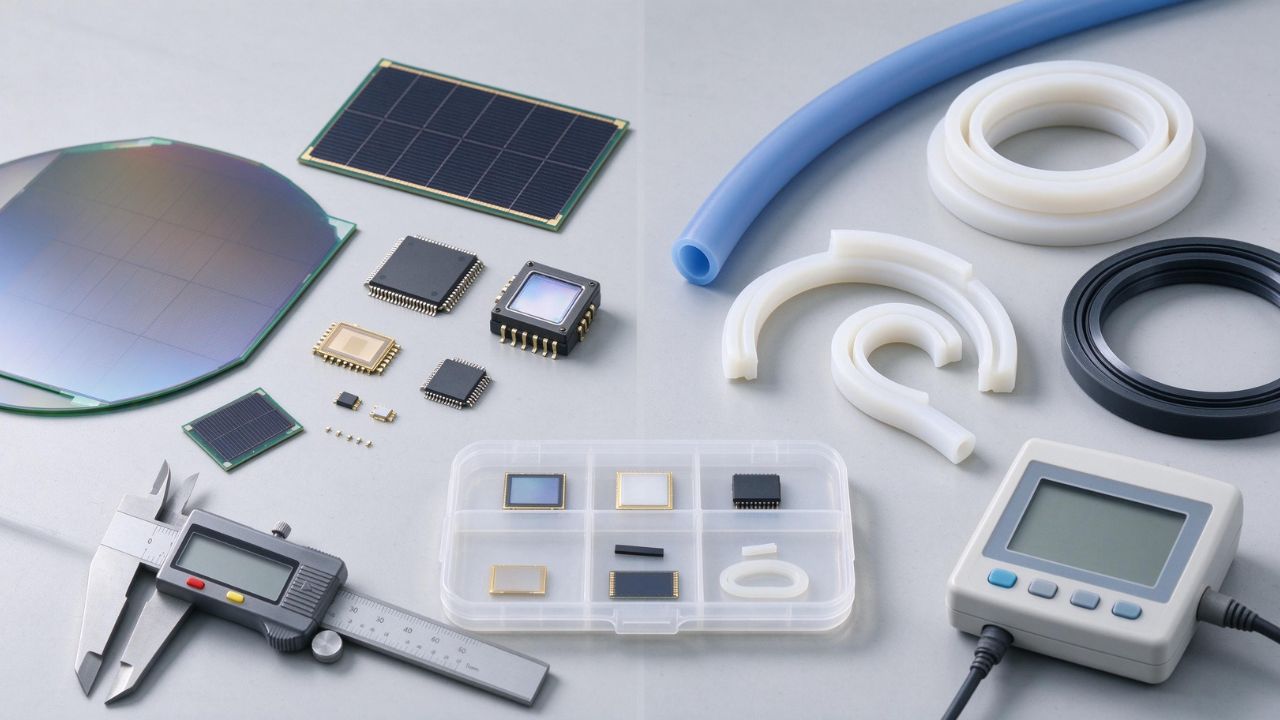
Wondering if silicone is safe to cook with for your commercial kitchen? Using substandard food-grade silicone cookware will release harmful substances and lead to expensive product recalls. This article analyzes food-contact requirements for silicone cookware and outlines practical supplier verification steps, helping you select a reliable food-grade silicone supplier.
What Is Food-Grade Silicone Cookware?
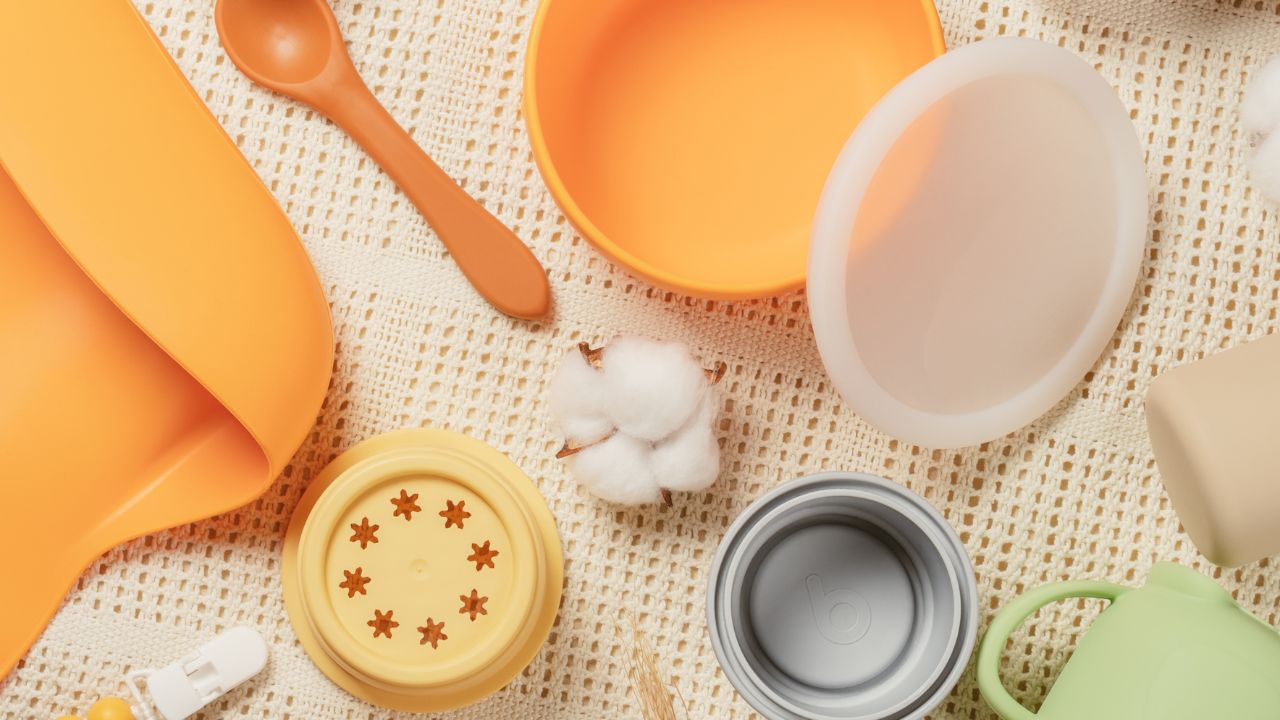
Silicone is a family of synthetic silicon-based polymers characterized by a repeating silicon–oxygen backbone with organic groups attached to the silicon atoms. Depending on the formulation and grade, silicone rubber can have low surface energy, good thermal stability, flexibility, weather resistance, UV resistance, and chemical resistance.
Food-grade silicone is a category of silicone elastomer specifically formulated and tested to meet strict food contact safety standards. It is formulated without harmful additives, BPA, and cheap bulk fillers, and meets strict global migration limits for food contact. Unlike industrial-grade silicone, it has no odor and does not release harmful chemicals, making it an ideal material for kitchen utensils, baking, and food containers.
Food-Grade vs. Regular Silicone: Key Safety Differences for Cookware
Food-grade silicone and other silicone materials may differ in their formulations, production processes, and applications.
If you need silicone products that can come into contact with food, you should not choose ordinary silicone. Because it may contain fillers and harmful chemicals, and it is more commonly used in industrial production, such as sealing rings and gaskets. Food-grade silicone, on the other hand, is specially manufactured in strict accordance with FDA compliance standards and other food safety requirements, and can come into direct contact with food.
Is Food-Grade Silicone Safe for Cooking and Baking?
Food-grade silicone is safe for cooking and baking when used within its rated temperature range and compliant with food contact standards.
Food-contact compliance requirements vary by market. The U.S. Food and Drug Administration (FDA) classifies silicone as a “generally recognized as safe” food contact material, which means that FDA-compliant silicone cookware complies with the safety standards for food contact materials. In Germany or the European Union, LFGB silicone cookware is more stringent than that of the FDA.
Two Curing Types of Food-Grade Silicone: Platinum vs Peroxide Cure
Platinum curing and peroxide curing are the two major curing systems for food-contact grade silicone cookware.
Platinum-cured silicone relies on platinum catalysts to achieve cross-linking and produces almost no reaction by-products, which can meet FDA and LFGB standards. Peroxide-cured silicone must undergo a secondary baking process to remove by-products and reach food-grade standards.
When you choose different curing methods, it will directly affect the safety and compliance of your products.
Table 1: Platinum-Cured vs. Peroxide-Cured Silicone Cookware: Safety & Compliance Comparison
| Property | Platinum-Cured Silicone | Peroxide-Cured Silicone |
| Compliance Considerations | Can easily meet FDA and LFGB standards. Low migration, no unwanted odor. | Can reach FDA standards only with full post-curing. Hard to pass LFGB odor & taste tests. Not food-grade without post-cure. |
| Curing Mechanism | Platinum catalyst addition reaction; nearly no reaction byproducts. | Organic peroxide crosslinking; produces chemical byproducts that need to be baked off. |
| Rated Temperature Range | Stable from -60°C to 250°C | Stable from -40°C to 220°C |
| Physical Performance | Excellent tear resistance and elasticity; resists yellowing under repeated high heat. | Average mechanical properties. Prone to yellowing and aging after long-term high-temperature use. |
| Odor & Food Taste Impact | Virtually no odor; will not alter food flavor. | May retain faint chemical odor if post-curing is insufficient. |
| Cost | Higher raw material and manufacturing cost. | Lower material cost; extra post-cure baking adds production time. |
| Application | Commercial bakeware, premium kitchen silicone | Limited high-heat cycles |
If you require that all aspects, such as product quality, safety, hygiene, etc. should meet the highest standards, then you should choose platinum-cured silicone. Although its cost is higher, its lifespan is also longer. If your budget is limited and you don’t have such strict requirements for the product’s odor, you can choose hydrogen peroxide-cured silicone. However, you must ensure that the supplier has completed the curing and baking process before it can be used to come into contact with food.
Top Benefits of Food-Grade Silicone Cookware for Commercial Cooking
Food-grade silicone is better for cooking because of its excellent chemical stability, which helps ensure food safety. Here are its advantages.
Food-Grade Silicone Temperature Range
Food-grade silicone cookware is generally considered stable and safe at temperatures up to 446℉ (230 ℃) and can be used for baking and cooking. At working temperatures below 230 ℃, the silicone remains inert and may not release chemicals that could seep into the food.
Chemical Resistance
Food-grade silicone has excellent chemical stability and does not react with common cooking ingredients such as food, oils, and cleaning agents.
Durability
Compared to wooden kitchenware, silicone has excellent long-term heat resistance, capable of withstanding high temperatures, weathering, ultraviolet erosion, and aging. Moreover, compared to plastic kitchenware, silicone kitchenware can be reused more frequently, ensuring less wear and tear or cracking.
Unlike many plastic alternatives, food-grade silicone contains no BPA or other harmful endocrine-disrupting chemicals.
Therefore, when food-contact silicone is properly formulated and used in accordance with regulatory requirements, it can be safely used for cooking.
Flexibility
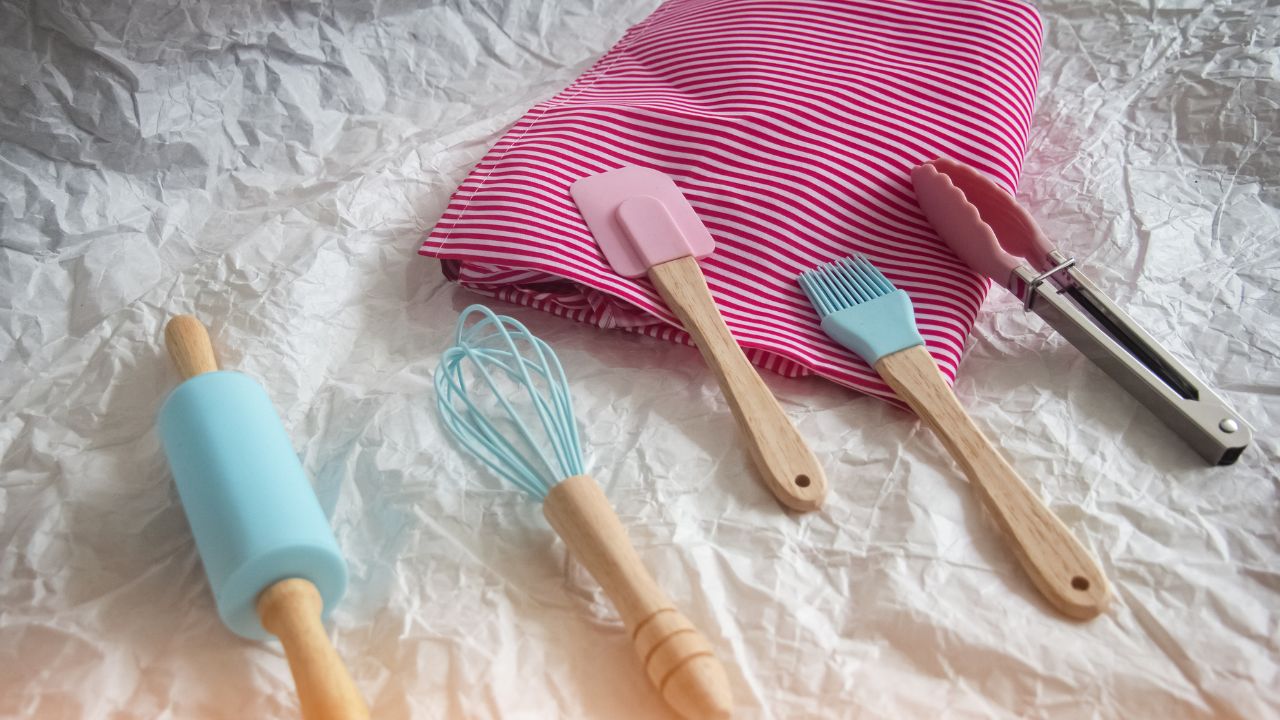
Silicone has a texture similar to rubber and exhibits excellent flexibility and elasticity. Its flexibility allows food residues to be wiped away easily without scratching cookware surfaces.
Non-Sticky and Easy to Clean
Silicone has a natural non-stick property, and food does not easily stick to the surface of the silicone. Thus, no additional oil needs to be added. Moreover, the silicone material has no pores, and it does not absorb various odors, making it even easier to clean.
Table 2: Silicone vs. Plastic, Wood & Metal: Cookware Material Safety & Performance Comparison
| Material | Heat Limit | Non-Stick Performance | Durability | Chemical Leaching Risk |
| Silicone | Up to 446℉ (230℃) | Yes | High | Negligible (certified food-grade) |
| Plastic | Around 212°F (100℃) | Sometimes | Low | Possible |
| Wood | Up to around 400°F (204℃) | Yes | Medium | None |
| Metal | Can withstand 1000°F (538℃) or higher | No | Very High | None |
Common Commercial Uses of Food-Grade Silicone Cookware
Commercial food-grade silicone cookware, FDA- and LFGB-certified for safety, is widely used across retail, food service, and industrial food processing sectors.
Tableware
The contact time between tableware and hot food is short, and the surface area is small, so the temperature is usually within the safety threshold of the silicone product. Compared to plastic tableware, it is non-toxic and odorless, less likely to melt or deform, and will not leach bisphenol A or other toxic chemicals.
Baking and Cooking Utensils
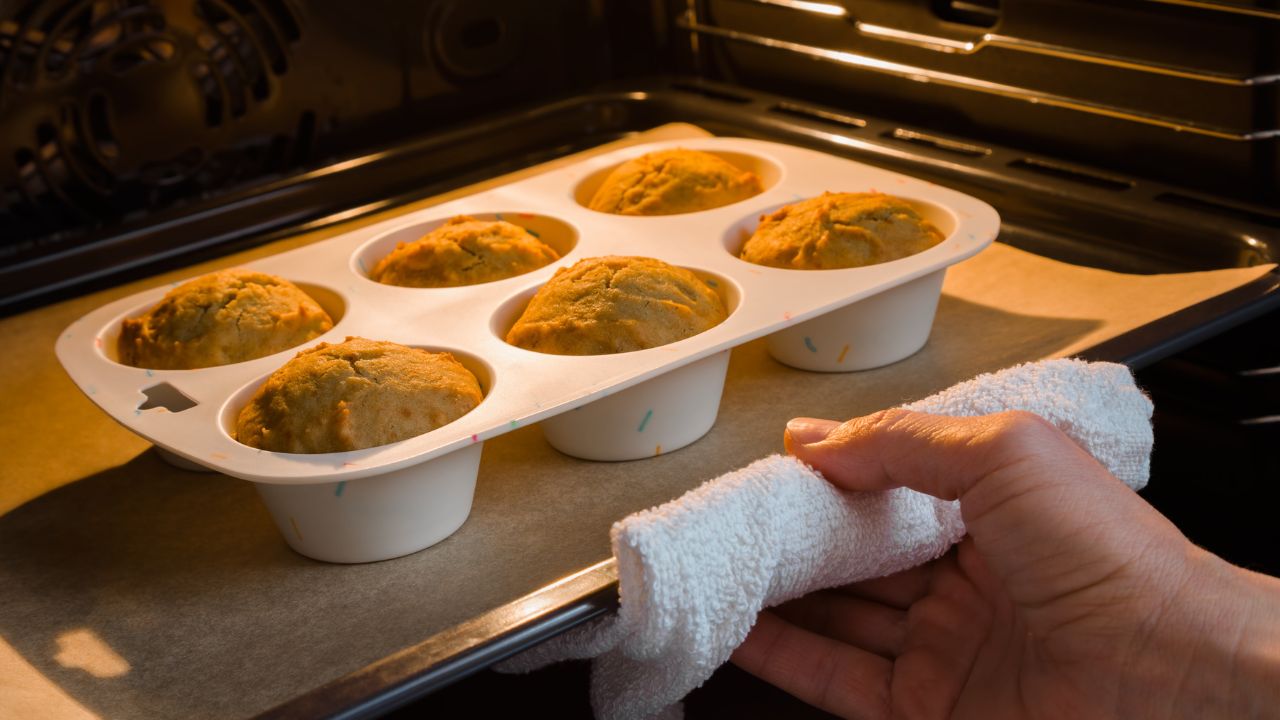
For silicone bakeware safety, baking molds are safe for use at temperatures below 446°F (230°C). Platinum-cured or higher-quality silicone baking tools certified by LFGB release almost no substances at standard baking temperatures.
Silicone baking mats are an ideal substitute for baking paper, requiring no additional oil application, saving raw materials, and being easy to clean.
Food Storage Bags
When used to store food at room temperature or in the refrigerator, silicone food storage bags are less likely to cause material migration. They can also be reused, which, compared to plastic bags, reduces single-use plastic waste and lowers your business’s environmental footprint.
Ice Cube Trays
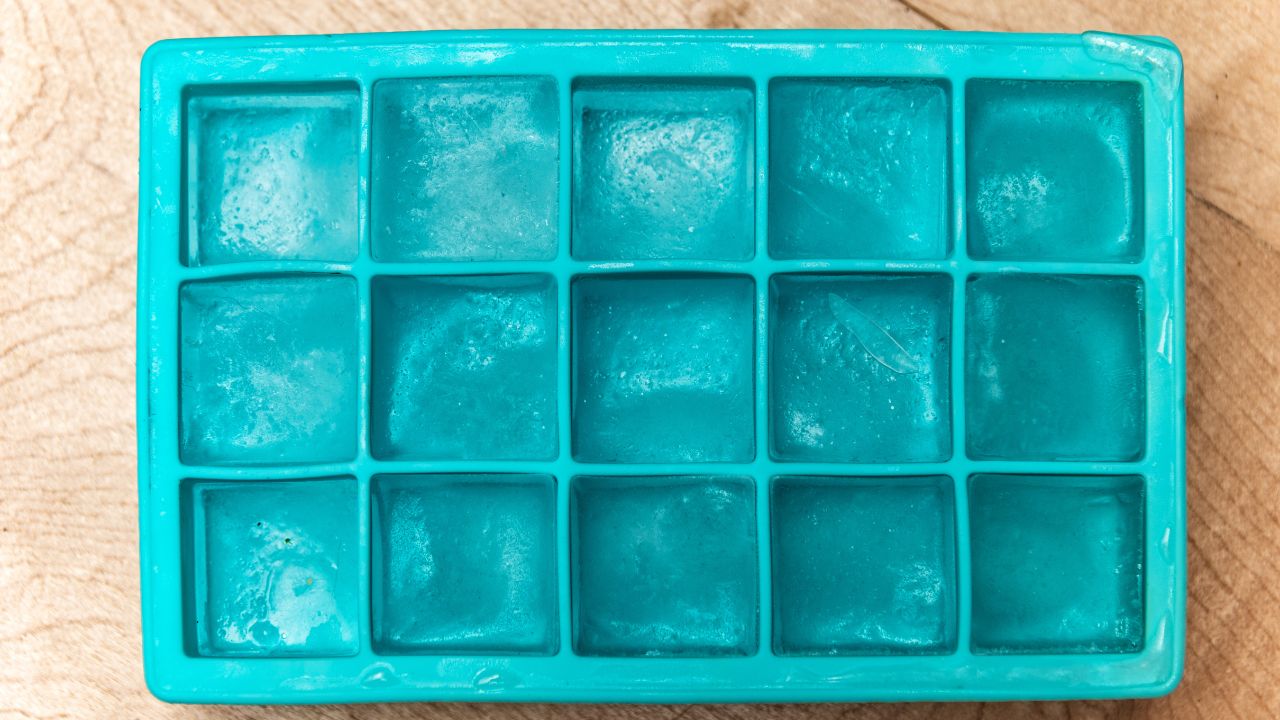
Food-grade silicone remains flexible and crack-resistant down to -60°C with zero chemical migration risk at freezing temperatures. Therefore, silicone ice trays are safer than other materials at freezing temperatures and are highly suitable for freezing food.
When Is Silicone Unsafe for Cooking?
Food contact silicone safety depends mainly on material grade and production quality; not all silicone products are the same. Although food-grade silicone has a wide range of applications, growing market demand has led some suppliers to cut corners on material quality and curing processes.
Therefore, when you choose silicone kitchenware, if any of the following conditions apply, there may be potential safety hazards.
Low-Priced and Uncertified Silicone Cookware
Cheap and uncertified silicone kitchenware cannot guarantee the quality of the silicone. Since most low-quality silicone kitchenware contains fillers or additives, and even some products labeled as silicone are actually silicone-coated plastic, this will reduce the safety of use.
Moreover, low-quality silicone kitchenware will emit a distinct chemical odor, which is more obvious when heated, and is harmful to human health.
If you merely aim to save production costs and choose low-quality silicone kitchenware, it will only lead to greater losses in the future and even damage your enterprise’s reputation.
Used Beyond the Temperature Threshold of Silicone Cookware
When the temperature exceeds 446°F (approximately 230°C), the silicone products will accelerate their degradation and release low-molecular-weight oligomers. Therefore, you must clearly indicate the rated temperature range in the product manual to avoid unnecessary customer complaints and economic losses.
For example, placing the silicone molds on the baking rack of the oven or directly placing the silicone products on the rack can cause local temperatures to exceed the silicone’s rated thermal threshold.
Prolonged Over-Temperature Use with High-Fat Foods
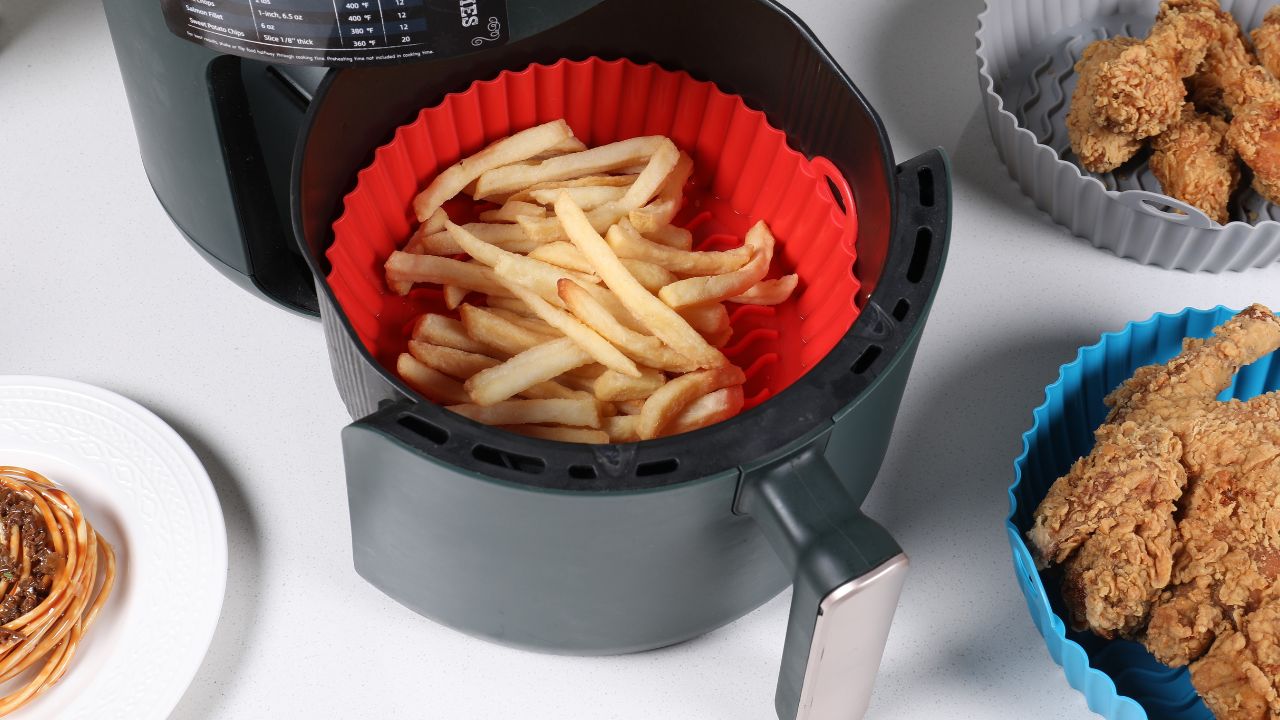
Using silicone above its rated temperature with high-fat foods can accelerate compound migration. Within standard temperature limits, food-grade silicone is safe for high-fat cooking.
Therefore, if you need kitchenware that can withstand long-term high-temperature and high-fat cooking, it is recommended that you choose glass or stainless steel as the raw materials for the kitchenware.
How to Tell If Silicone Is Food Grade: A Procurement Checklist
Before placing the purchase order, you must carefully verify the food-contact suitability of the products to prevent them from failing the certification review. Testing for food-grade silicone is not sufficient through visual inspection alone; professional silicone kitchenware migration tests are also required. Here are the specific testing methods.
Inspect Silicone Cookware Quality and Construction
Hold the silicone and twist it. High-quality food-grade silicone will not turn white after being twisted, and it will quickly return to its original shape. However, if the force application point turns white or has white stripes, it may be peroxide-cured with insufficient post-curing, or the supplier has cut costs by adding cheap fillers instead of food-contact-approved ingredients.
Therefore, before purchasing silicone kitchenware, it is essential to check its purity. It is best to clearly choose silicone cookware labeled as “food grade” or “FDA certified”, and some suppliers will also mark “100% silicone” to avoid high rework costs and compliance issues due to batch non-conformity in the future.
Review Silicone Cookware Compliance and Test Reports
You need to confirm that the silicone cookware produced by the supplier has obtained certification from the regulatory authorities. FDA-approved silicone cookware meets 21 CFR 177.2600 standards, while LFGB silicone cookware meets stricter EU food contact requirements, which means it is safe and non-toxic, ensuring safe direct contact with food.
If the product is clearly labeled as platinum-cured silicone, then prioritize platinum-cured silicone and perform a brief pre-baking before the first use.
If you require large quantities of orders, be sure to ask the supplier to provide batch-specific test reports, raw material traceability documents, and certification copies to ensure the compliance of the entire production process.
Verify Silicone Cookware Labels and Material Claims
You need to check if the label indicates “100% Food-Grade Silicone” or “Food-Grade Silicone Compliant with Food Contact Standards”, etc. When the label states the following description, it means the silicone product meets food-grade safety standards and can be safely used for cooking or baking.
- 100% Food-Grade Silicone: It indicates the product is formulated without cheap bulk fillers like calcium carbonate, uses only food-contact-approved ingredients, has been certified, and can be safely in direct contact with food.
- BPA-Free: Confirms no BPA-containing plastics or fillers are used in the product formulation.
Assess Supplier Quality Controls and Traceability
A reputable supplier usually have excellent customer reviews when it comes to manufacturing high-quality silicone kitchenware, and they will proactively provide you with complete material traceability information, corresponding batch inspection reports, and factory audit records.
FAQ
Can Silicone Go in the Dishwasher?
Yes, food-grade silicone kitchenware can usually be washed in a dishwasher and can withstand regular high-temperature commercial cleaning procedures. However, prolonged repeated exposure to strong alkaline industrial cleaners and high-temperature disinfection modes may accelerate surface aging and damage the material. It is recommended that you confirm the material specifications with the supplier to ensure they meet the requirements of daily kitchen cleaning.
Can Silicone Go in the Oven?
Yes, food-grade silicone cookware can be used in an oven only when the product is rated for the intended temperature and application. However, do not place the silicone products directly under the heating element or on the baking rack, as local high temperatures will exceed their heat resistance limit and cause accelerated degradation and release of low-molecular-weight oligomers.
Does Silicone Affect the Taste of Food?
High-quality food-grade silicone has a stable cross-linked molecular structure. During daily use, it will not react with edible oil, organic acids, flavors, dairy products, or high-temperature ingredients. Therefore, it will not leach out chemical substances or release odors, thus not altering the flavor of any food.
However, low-quality or inadequately cured silicone may emit a plastic-like odor when first used. Platinum-cured silicone kitchenware can help you avoid this risk.
How Long Does Food-Grade Silicone Cookware Last in Commercial Use?
Food-grade silicone cookware may last for different periods depending on its formulation and use conditions, typically 1–3 years in high-volume commercial kitchens; well-maintained, light-use products may last up to 5 years, depending on the material quality, usage frequency, and maintenance conditions. It is recommended that you conduct regular checks, use, maintain, store, and clean it properly, which can significantly extend its lifespan.
What Should Be Noted When Cooking With Silicone Cookware?
When using silicone cookware for cooking, the following points should be noted:
- Never exceed the product’s rated temperature limit (max 230°C), as overheating causes material degradation and compound migration.
- Make sure that all silicone products are food-grade and do not contain bisphenol A.
- Silicone products should be kept away from open flames and high-temperature areas.
How Do You Clean and Care for a Silicone Baking Spatula?
You should use warm, soapy water to clean the silicone baking or cooking tools. After cleaning, make sure the surface is dry and do not place them together with sharp objects. Do not use strong cleaning tools or abrasive cleaners, as they may scratch the surface and cause the silicone cookware to deteriorate prematurely, and even release harmful chemicals.
Final Thoughts
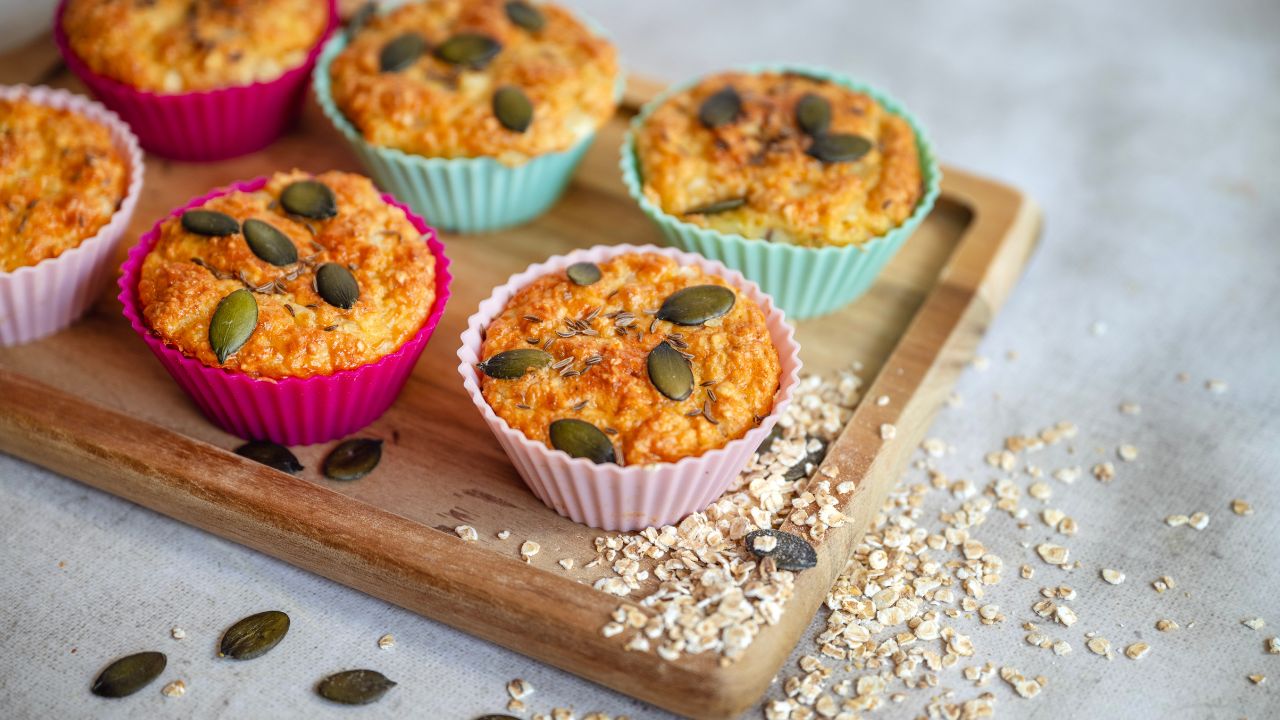
Silicone is safe to cook with when sourced as certified food-grade material from a reliable supplier. Send us your silicone grade requirements, target compliance standards, and estimated volume if you are looking for a bulk food-grade silicone cookware supplier. NICEONE can provide custom silicone cookware and a detailed quotation.