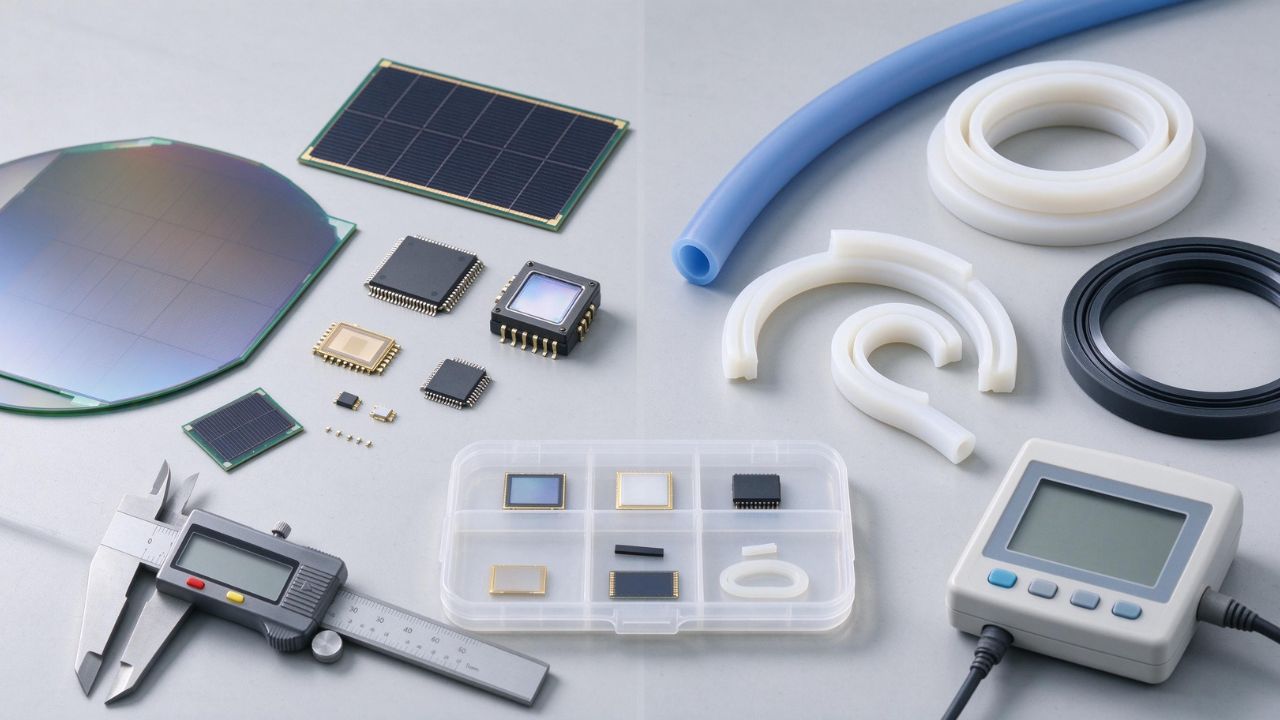
Silicone is widely used in many different fields such as seals, medical accessories, and kitchenware due to its numerous advantages. However, some silicone may experience sticking or even oil film formation in practical use. This article will give you a detailed introduction to the main reasons and help you avoid this risk when customizing and purchasing silicone products.
Why Does Silicone Get Sticky?
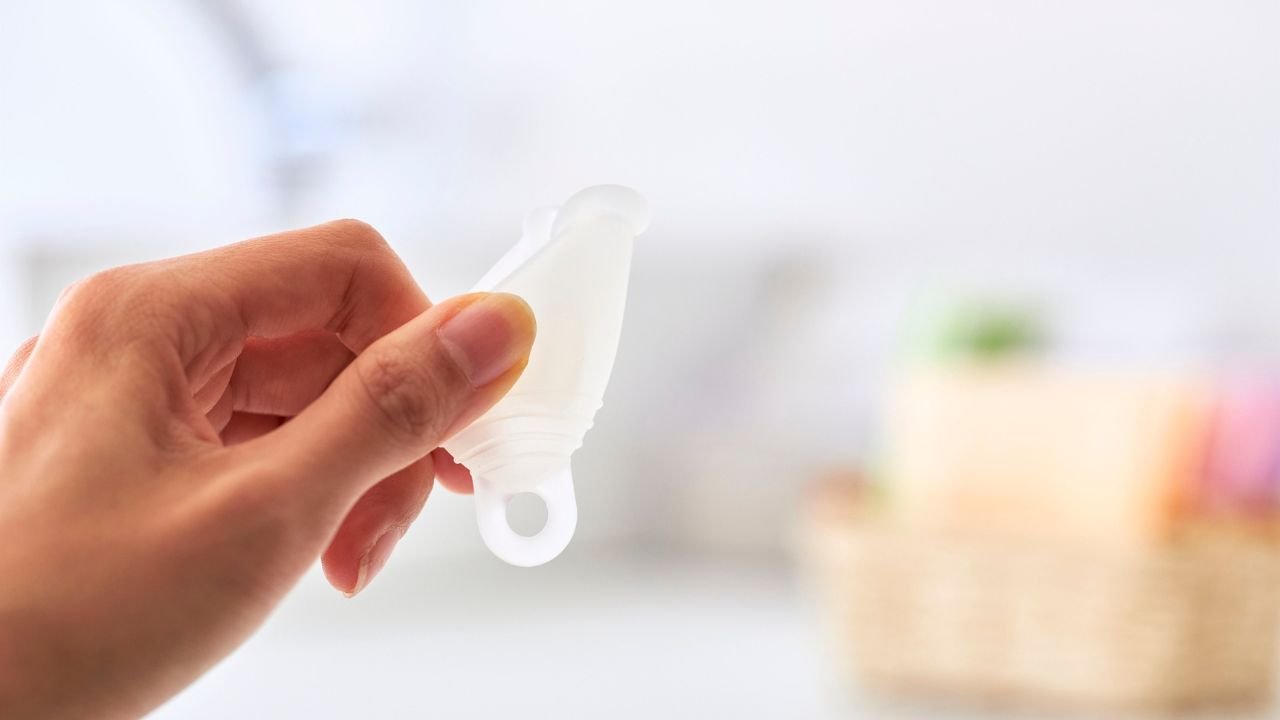
There are many reasons why silicone becomes sticky, and it does not necessarily mean that the silicone material is not good.
The common reasons for silicone becoming sticky include incomplete curing or cure inhibition, migration or release of low-molecular-weight components, release agents, and surface contamination, as well as material formulation and environmental exposure.
Incomplete Curing
In the production process, it needs to undergo vulcanization to transform from a liquid state to an elastic solid state. If the vulcanization time of silicone is insufficient, the temperature is too low, or the proportion of catalyst used is incorrect, resulting in incomplete cross-linking of the material, the surface of silicone will remain in an uncured, viscous state.
This kind of stickiness cannot be solved by cleaning. It may indicate inadequate process control or another process issue. If you find that the surface of the newly produced finished product is sticky during inspection, you can directly communicate with the factory to request rework, scrapping, or replacement.
Low-Molecular-Weight Migration
If low-molecular-weight or volatile components remain in the vulcanized silicone, these components may migrate or be released to the surface during the use of the silicone, which may contribute to surface film formation or increased tackiness.
Therefore, some food-contact and medical silicone applications may require post-curing to reduce residual volatile compounds and improve material cleanliness. The need for this process depends on the silicone formulation, curing system, and applicable product requirements.
If you don’t want your product to have an oil film during use, you can ask the factory if they will conduct post-curing.
Material Formula And Environmental Exposure
If lower-quality formulations or raw materials are used, it may also cause the silicone to become sticky. If the usage or storage environment of silicone is not suitable, it can also cause the silicone to become sticky.
Residual release agents on silicone or contact with plasticizers or oil stains during storage can cause the surface of silicone to become sticky. In addition, long-term exposure to high temperatures may also lead to surface degradation of materials, making the surface sticky. You can identify it by cleaning the silicone products.
Cleaning can help identify possible surface contamination, but it cannot confirm the root cause of silicone tackiness on its own. If the problem persists or returns, further evaluation of the curing process, formulation, and service environment may be necessary.
If your silicone product is sticky due to contamination, it can be resolved through cleaning and packaging. If the stickiness is caused by aging, you can communicate with the factory to replace it with a more weather-resistant formula.
Reasons And Preventive Measures For Silicone Becoming Sticky
Different solutions are suitable for silicone adhesion caused by different reasons. You can judge based on the stickiness of the silicone and choose a solution that suits you.
| Phenomenon | Possible Reasons | Solution |
| The surface remains sticky after demolding | Incomplete curing/curing inhibition | Check the vulcanization temperature, time, and catalyst, and rework |
| Localized stickiness, otherwise normal | Residual release agent/localized contamination | Thoroughly clean the surface; inspect the mold and storage environment |
| After using it for a period of time, it becomes sticky | Migration or release of low-molecular-weight components | Post-curing; replace with a high-cleanliness formula |
| Sticky after high temperature or exposure to sunlight | Material aging and degradation | Replace with a UV-resistant and anti-aging formula |
| There is an oil film on the surface that can be wiped off | Oligomer or additive precipitation | Post-curing after cleaning; long-term need to change the formula |
The Effect Of Silicone Tackiness
The stickiness of silicone is not only a matter of product feel, but also directly affects the quality and user experience of the product, which can have a negative impact on your brand.
User Experience And Brand Reputation
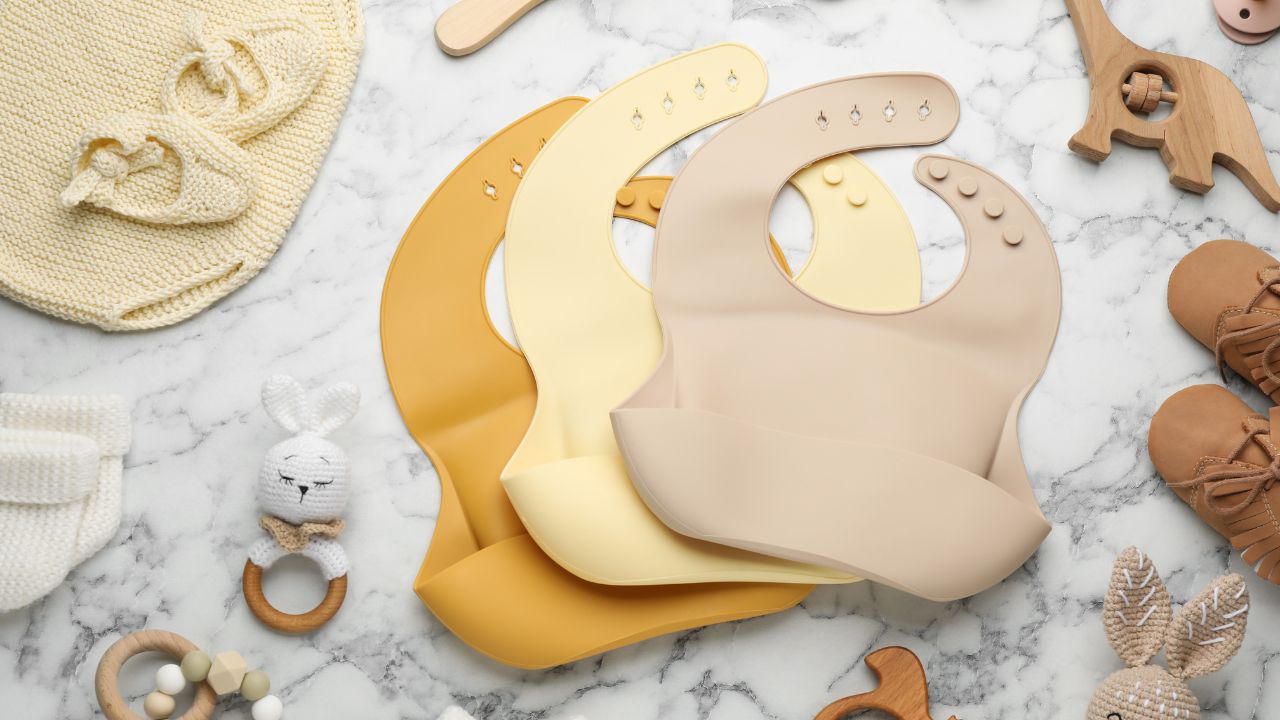
Product stickiness may give customers a first impression of being cheap and inferior. For contact products such as cup covers, phone cases, and pacifiers, if the silicone becomes sticky during use, it will directly affect the sales of the product and reduce the brand image.
Health And Safety Risks
After silicone becomes sticky, the surface is prone to adsorbing pollutants, which may make the surface more difficult to clean and may increase contamination concerns. For food-grade and mother-and-baby products, extra attention should be paid to the issue of stickiness.
If food-grade and mother-and-baby products have sticking problems, it may not only cause difficulties in cleaning and disinfection, but also lead to safety issues due to the oil film that precipitates on the surface.
Compliance And Export Risk
For export products, the continuous leaching of low-molecular-weight substances from the surface of silicone may affect the results of food contact migration testing, VOC compliance testing, and other tests, leading to product testing failure and customs clearance delays.
After-Sales Losses
Product sticking may also lead to after-sales complaints and increase the return rate of products. All of these will increase the cost of the product.
How To Prevent Silicone From Becoming Sticky?
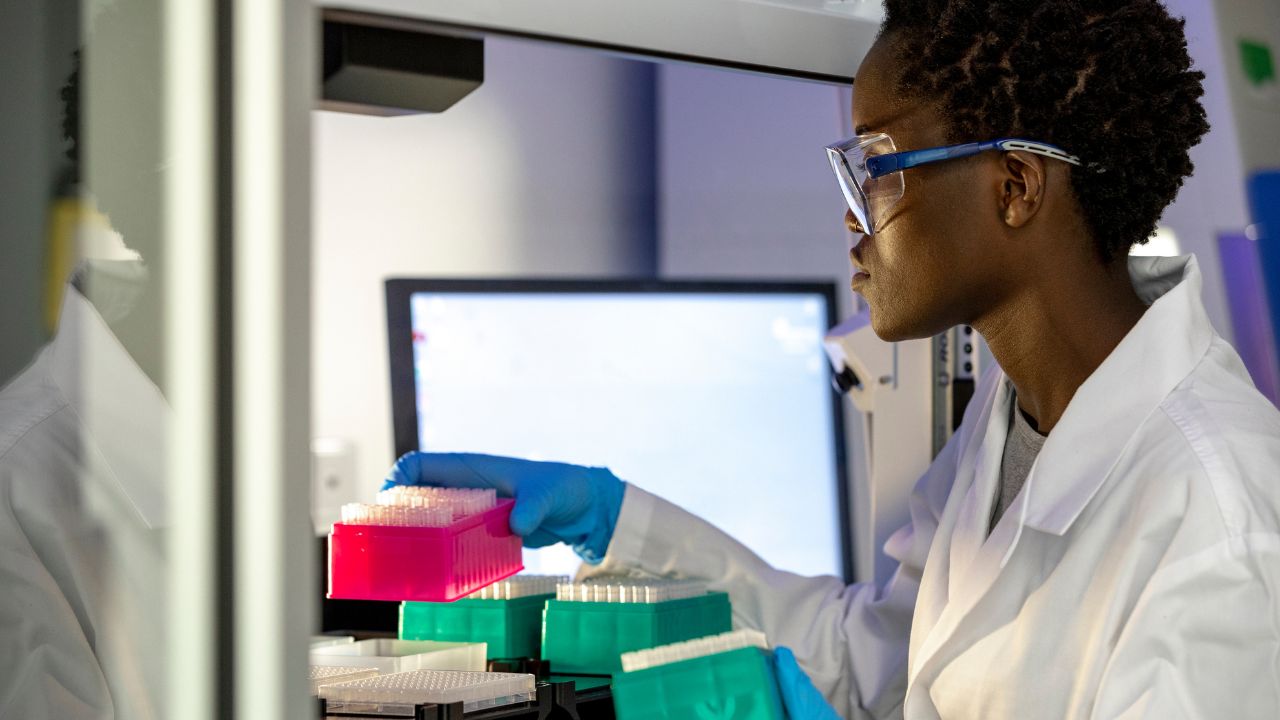
Most silicone adhesive problems can be prevented at the production end. We suggest that you prevent this problem from four aspects: material selection, production process, post-processing, and quality inspection.
Material Selection
You should choose formulas with mature cross-linking systems and low volatility. Food-grade and medical-grade silicone typically have controlled oligomer content.
When communicating with suppliers to determine materials, you should clearly require them to provide information such as material certificates and testing reports. At the same time, you should confirm the UV resistance and chemical resistance of the material in combination with the usage environment.
Workmanship
Before selecting and customizing silicone products, we recommend that you investigate the production process used by the supplier in advance. Check if the supplier strictly controls the vulcanization temperature, time, and catalyst dosage. You should choose suppliers who have established curing-process monitoring and verification procedures.
Post-Processing and Cleaning
If your silicone product requires high cleanliness, post-curing may help reduce residual volatile compounds, depending on the silicone formulation and curing system. This is also a key process to solve the problem of oil film precipitation.
At the same time, after demolding the silicone product, it is necessary to thoroughly clean it to remove any residual release agent, and package and store it in a dry and dust-free environment.
The storage of silicone products should avoid contact with potential contamination sources, such as plasticizers and oil residues, as much as possible.
Quality Inspection
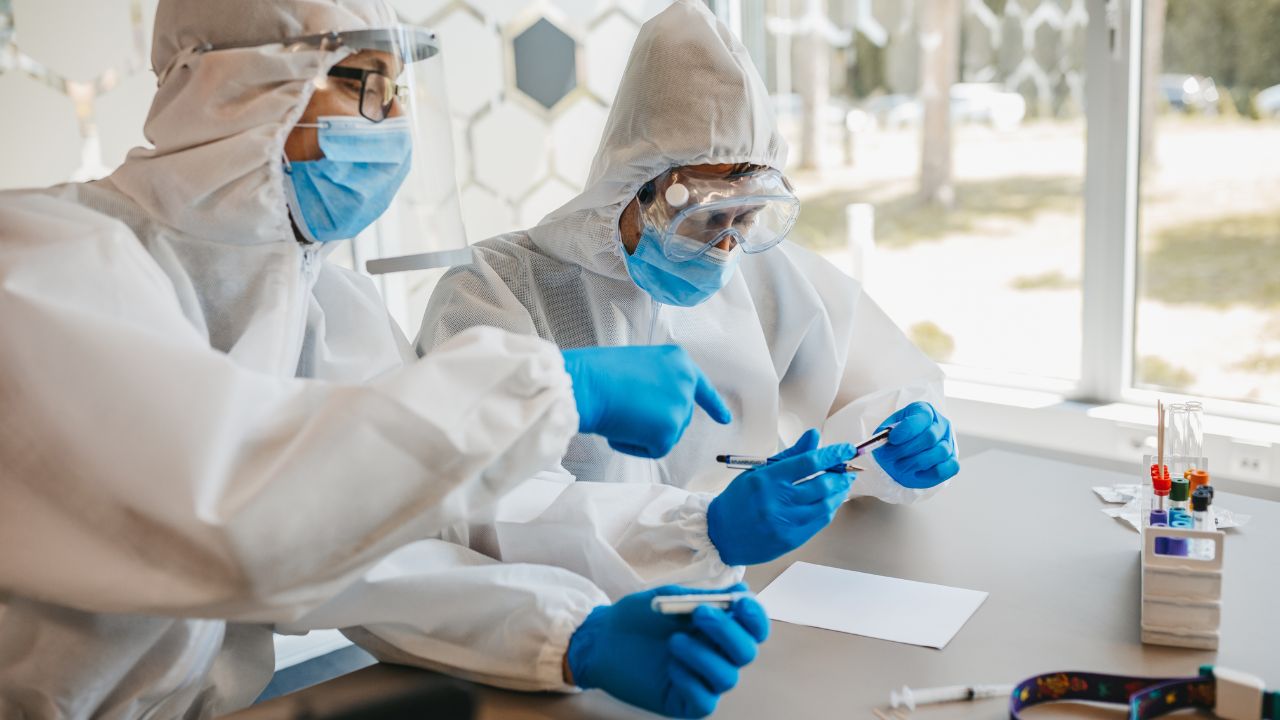
You’d better choose factories that have established a comprehensive quality inspection system. You can request the supplier to include surface adhesion as a factory inspection item. And you can determine whether the surface of silicone products is dry through finger pressure tactile inspection, alcohol wiping test, heating baking test, and volatile matter sampling.
FAQ
Is Softer Silicone More Prone To Sticking Than Harder Silicone?
The hardness of silicone itself cannot directly determine its tendency to become sticky. The formula, crosslinking density, and low molecular weight substance content of silicone determine the surface viscosity comprehensively.
In practical situations, some soft silicone formulations may add more transferable low molecular weight components to reduce hardness. These small molecules are prone to precipitate on the surface, so this type of soft silicone may be more prone to sticking than regular formulations.
When choosing customized silicone products, you should evaluate the specific formula, curing process, usage environment, and expected service life. It is unwise to judge whether silicone is prone to sticking solely based on its Shore Hardness.
Will Sticky Surfaces Affect The Mechanical Properties Of Silicone?
If stickiness results from incomplete curing or curing inhibition, the silicone may have reduced tensile strength, tear strength, and solvent resistance because its crosslinking is insufficient.
If the issue is limited to surface contamination or low-molecular-weight migration, the bulk material’s mechanical properties may remain largely unchanged initially.
However, prolonged aging can eventually affect products’ strength and wear resistance. You had better evaluate the surface condition and relevant mechanical properties to sure the product can meet its requirements.
Will Repeated Cleaning Change The Surface Texture Of Silicone Products?
Yes. Repeated cleaning may affect silicone surface texture. The specific impact depends on the silicone, cleaning agent, and method.
In general, mild washing with water and a compatible detergent, followed by gentle wiping, is suitable for many silicone products. However, severe scrubbing, grinding tools, or incompatible chemical cleaners may damage silicone’s surface coating and alter the surface texture. It may even accelerate the precipitation of small molecules, causing the surface of silica gel to become viscous.
You can follow the manufacturer’s validated cleaning standards based on the actual needs of the product, maintain the surface condition of the product, and avoid sticking and surface damage.
Will Surface Treatment Affect The Surface Tackiness Of Silicone?
Silicone surface treatment can change the surface tackiness of the product, but it will not alter the properties of the silicone itself.
By spraying hand-feel oil, fluoride, and PTFE coatings, the surface viscosity of silicone can be reduced. Plasma treatment enhances surface energy for convenient printing and bonding. Polishing only improves roughness and cannot prevent the precipitation of small molecules. Surface treatment is a temporary solution.
If the root cause is incomplete curing or formulation problems, the coating may become sticky and recur after wear. To cure the problem, it is necessary to optimize the formulation and molding process.
Can Sticky Silicone Affect Adhesion During Assembly?
Yes. Silicone tackiness refers to the sticky sensation felt when touching a material’s surface. Adhesion refers to the attraction or bonding between two surfaces.
Surface residues or changes in the condition of silicone may affect bonding, printing, or other assembly processes. However, its surface viscosity does not necessarily mean that it can bond more effectively with another material.
If you need to customize silicone products, we recommend that you use the samples provided by the supplier in advance to verify the bonding effect of the product.
Will Low-Temperature Storage Prevent Silicone From Turning Sticky?
Low-temperature storage can only slow down the migration and precipitation of small molecular substances in silicone, but it cannot completely prevent this process, nor can it eliminate the surface stickiness that has already occurred.
After the product returns to room temperature, small molecule migration will continue again. Therefore, low-temperature storage cannot be used as a long-term solution to the problem of silicone adhesion.
Final Thought
The stickiness of silicone products is not an inevitable problem, and you can avoid it in different ways. We have been deeply involved in silicone products for many years and have rich experience in silicone customization and production. If you want to purchase high-quality silicone products, please feel free to contact us.