If you want to customize silicone products, it is best to have a basic understanding of the silicone production process. This article will provide you with a detailed introduction to the manufacturing process and the importance of silicone, and help you choose the right silicone product and manufacturing partner.
What Is Silicone?
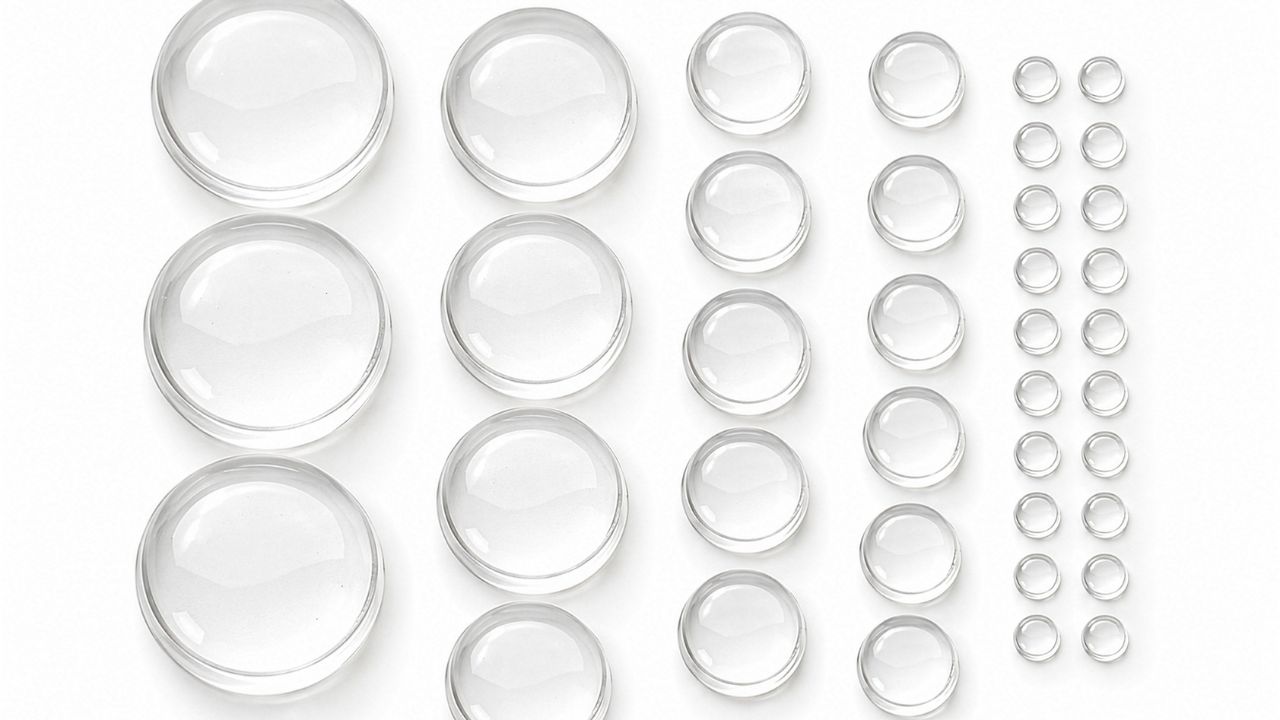
Silicone is an elastic material whose main chain is composed of alternating silicon and oxygen atoms, and its side chains are connected to organic groups such as methyl, vinyl, or phenyl. This unique molecular structure endows silicone with excellent temperature resistance, weather resistance, insulation properties, as well as elasticity and ease of processing.
The many advantages of silicone make it almost irreplaceable in fields that require high safety and lifespan. Unlike ordinary rubber and thermoplastic, silicone undergoes a vulcanization crosslinking reaction during the curing process, and once formed, it cannot be melted and reshaped again.
What Are The Types Of Silicone?
According to the raw material form and molding process, silicone can usually be divided into high-temperature solid silicone, liquid silicone, and room-temperature vulcanized silicone.
| Type | Form And Characteristics | Forming Method | Typical Applications |
| Solid Silicone Rubber (HTV/HCR) | Block-shaped raw rubber needs to be mixed and vulcanized before use | Compression molding and extrusion | Seals, kitchenware, buttons, industrial miscellaneous items |
| Liquid Silicone Rubber (LSR) | Two-component liquid, mixed and solidified | Injection molding | Baby pacifiers, medical components, precision small parts |
| Room Temperature Vulcanized Silicone Rubber (RTV) | Paste or liquid; can cure at room temperature | Glue coating, sealing, and manual molding | Sealing glue, electronic sealing, mold replication |
Solid Silicone Rubber
Solid silicone is the most common form of silicone. Its appearance is a white or semi-transparent rubber block and needs to be molded by high-temperature molding after adding a vulcanizing agent. Solid silicone has a lower cost. It is suitable for products with relatively simple structures and thicker walls, such as seals, kitchenware, and buttons.
Liquid Silicone Rubber
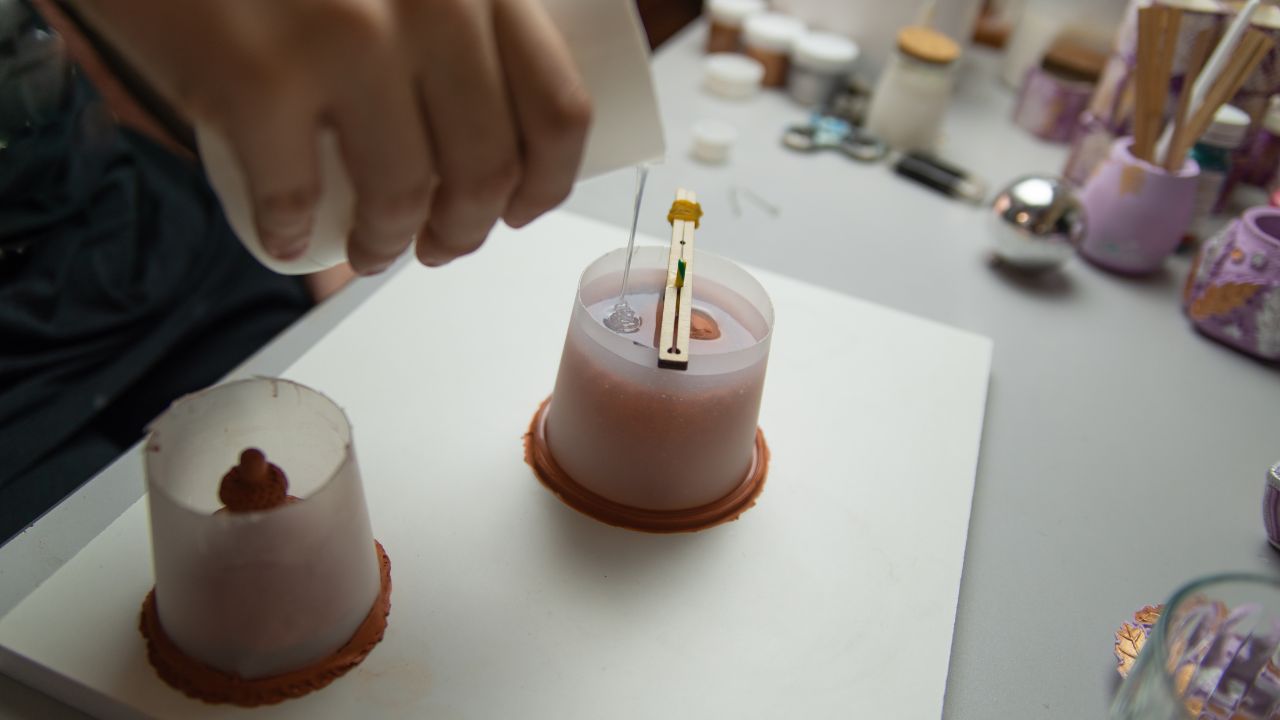
Compared with other rubbers, LSR injection molding can support high dimensional consistency and low scrap rates when the material, tooling, and process are properly controlled, and is suitable for thin-walled and complex structures.
It is widely used in products such as baby pacifiers, medical catheters, and precision electronic accessories. But its equipment and mold investment are higher, making it more suitable for large-scale production.
Room Temperature Vulcanized Silicone Rubber
Unlike the previous two types of silicone that require heating for vulcanization, RTV silicone can be cured at room temperature without the need for an oven or hot pressing equipment.
Its advantages are a low operating threshold, no need for heating, and suitability for on-site construction and small-batch customization. The disadvantage is that the mechanical strength and heat resistance are usually lower than HTV and LSR, and the curing speed is greatly affected by environmental temperature and humidity.
What Is The Manufacturing Process Of Silicone?
Many people mistakenly believe that only the silicone material grade determines product performance. In fact, even premium‑grade raw silicone can produce defective, short‑life, or non‑compliant finished parts if production processes are poorly managed.
Every step from raw material preparation to post‑curing directly impacts final quality, compliance qualification, and long‑term service life of silicone components.
The manufacturing of silicone products can be divided into six stages. Understanding the production process of silicone can help you better evaluate the capabilities of suppliers and avoid common quality risks during product development.
Selection And Preparation Of Raw Materials
The first step in silicone production is the selection of raw materials, which directly determines the performance limit of the final product.
The basic raw materials for producing silicone include polysiloxane rubber, reinforcing fillers, crosslinking agents, as well as pigments, release agents, oil-resistant additives, and other additives.
Different grades of silicone have significant differences in raw material purity and impurity control. Food-grade and medical-grade silicone have strict restrictions on low molecular weight volatiles, while industrial-grade silicone allows for higher filler content to reduce costs.
At this stage, you need to clarify the following:
- Does the product require food contact certification?
- Do we need biocompatibility certification?
- What is the working temperature range?
- Has it come into contact with grease or solvents?
The answers to these questions will directly affect which raw rubber formula the supplier chooses.
Silicone Mixing and Compounding
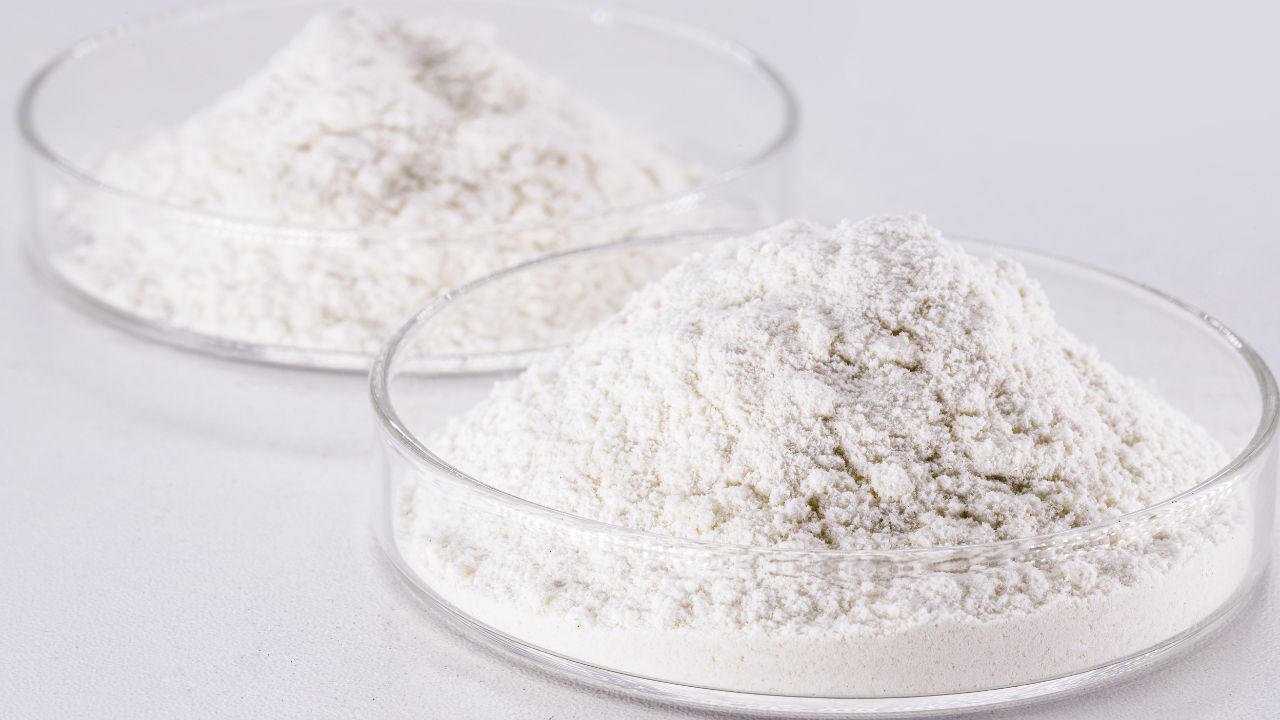
For solid silicone, mixing is a key process that determines batch consistency. During the mixing process, if the material is not evenly dispersed, the finished product may have locally insufficient strength or surface pores.
After mixing, the rubber material usually needs to go through a period of time to stabilize the interaction between the filler and the polymer before being put into molding.
Common quality risks in the mixing process include:
- Uneven dispersion of vulcanizing agents leads to incomplete local curing and surface stickiness;
- Poor pigment dispersion leads to color stripes or color differences;
- Mixing impurities or moisture can cause internal bubbles or surface defects.
Therefore, choosing suppliers with clean workshops and standardized mixing processes is more important than comparing material unit prices.
Mold Design And Preparation
Mold design and manufacturing are major factors affecting the cost and quality of silicone products. Silicone molds are usually made of aluminum alloy or steel, and the processing method is selected according to the requirements of production volume and accuracy.
The machining accuracy of silicone molds directly determines the dimensional tolerance of the product. For seals and sheaths that require close coordination with other components, the importance of mold accuracy even exceeds that of the material itself.
Small batch sampling usually uses aluminum molds, while steel molds are recommended for large-scale production. You need to confirm the mold scheme with the supplier during the sampling stage to avoid unnecessary rework due to incorrect mold selection.
Silicone Molding
The silicone molding process mainly includes Compression Molding and LSR Injection Molding.
Compression Molding
This molding method involves placing the weighed solid rubber material into a preheated mold cavity, closing the mold, applying pressure through a flat vulcanizing machine, and maintaining it at a specific temperature for several minutes to complete the vulcanization cross-linking of the silicone.
The advantages of this process are low mold cost and suitability for large and structurally simple products. Its disadvantages are that it requires manual feeding and has flash that may require secondary trimming. The consistency of the product depends on the operator’s experience.
LSR Injection Molding
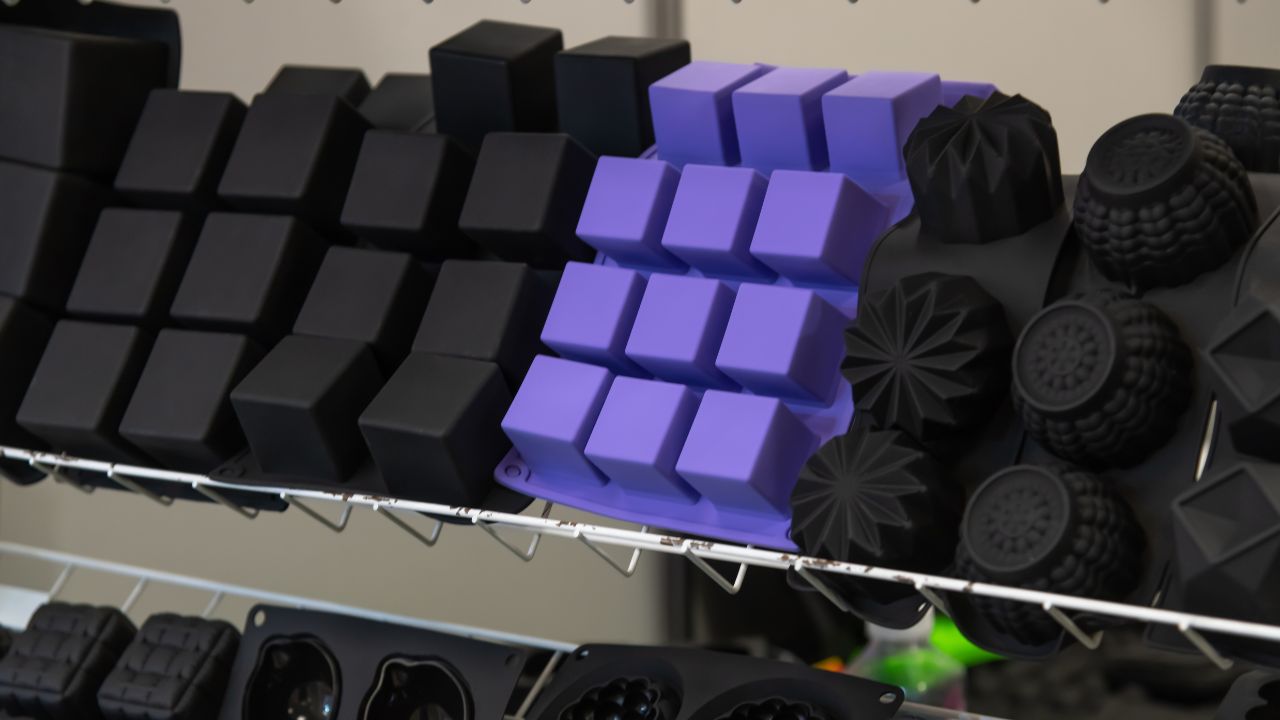
Liquid silicone injection molding is the process of mixing liquid silicone components A and B in proportion using a metering pump, injecting it into a heated mold, and then rapidly vulcanizing it at 150 to 180 degrees Celsius. The molding speed of this process is relatively fast. Cycle times can be short, depending on part geometry, material formulation, and molding conditions.
Its advantages are a high degree of automation, minimal burrs, suitability for thin-walled and complex structures, and high batch consistency. Its disadvantage is that it requires a large investment in equipment and molds, making it more suitable for projects with large annual usage.
In addition to these two mainstream processes, silicone can also be processed through extrusion molding and rolling molding.
Choosing the right molding process affects not only product quality but also production efficiency and unit cost. Compression molding may be more economical for simpler designs and smaller production runs, while LSR injection molding can offer advantages for complex parts and high-volume production.
Curing And Post-Curing
The solidification inside the mold is only the first step in completing the cross-linking reaction. For products with higher requirements, secondary vulcanization is also necessary.
Secondary curing usually involves placing the demolded product in an oven and baking it at 200 to 250 degrees Celsius for 2 to 4 hours. Through secondary vulcanization, the quality of silicone products can be improved. Secondary vulcanization can:
- Remove residual low molecular weight volatiles and peroxide decomposition products;
- Further complete cross-linking and stabilize material properties;
- Reduce the risk of oil film or odor formation during the use of finished products.
Food-grade, medical-grade, and maternal and child-grade silicone products may require post-curing, depending on the formulation and applicable requirements.
If industrial seals do not have high requirements for volatile compounds, secondary curing can be omitted to reduce costs. It is best to clarify the requirements with the supplier in advance.
Precision Machining And Quality Inspection
After demolding, silicone products usually require post-treatment.
Most suppliers will remove product burrs through further precision machining. Some suppliers can also provide surface processing treatments, including spray coating, flocking, printing logos, plasma treatment, etc. Finally, there is cleaning and packaging. Suppliers usually perform simple cleaning to remove oil and dust from the surface of the product.
Reliable suppliers have a complete quality inspection system, which includes full or random size inspection, appearance inspection, performance testing, and compliance testing of finished products. When choosing a supplier, you can examine its quality system.
What Are The Application Industries Of Silicone?
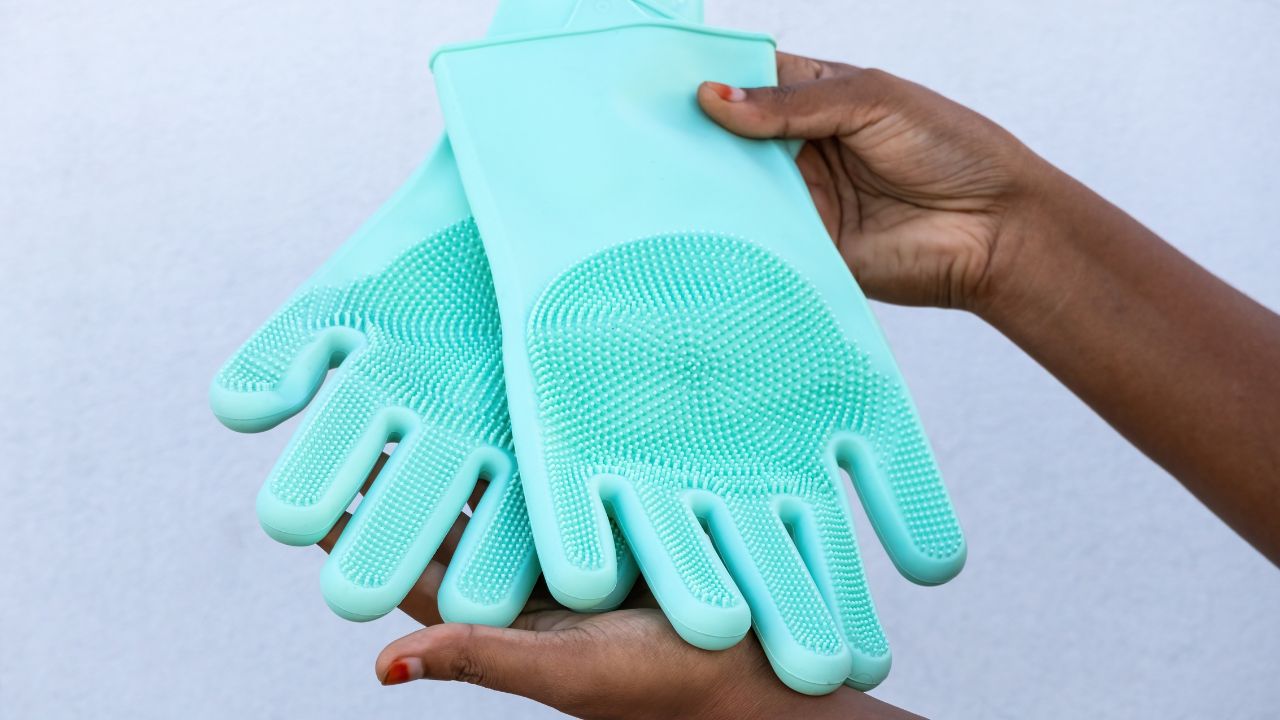
Due to its excellent comprehensive performance, silicone has been applied in almost all manufacturing fields. You can see its presence in many different fields. The following table shows the common applications of silicone, which you can refer to simply.
| Industry | Typical Silicone Products | Reason |
| Healthcare | Catheters, sealing rings, surgical instrument components | Physiological inertness, reusable disinfection |
| Food And Kitchen Utensils | Baking pad, silicone spatula, insulated cup sealing ring | High temperature resistance, non-toxic and odorless, in compliance with food contact regulations |
| Mother And Baby Products | Pacifiers, teethers, and food box accessories | Soft, safe, bite-resistant, and odorless |
| Automotive Industry | Seals, spark plug sleeves, hoses | Resistant to high and low temperatures, oil, and aging |
| Electronics And Electrical | Buttons, insulation components, module encapsulation | Insulation, temperature resistance, shock absorption |
| Architecture And Industry | Door and window sealing strips, shock absorbers, protective covers | Weather-resistant and long-lasting, with low maintenance costs |
How To Find A Reliable Silicone Product Manufacturer?
A manufacturer’s control over material preparation, mold development, molding, and curing directly affects the consistency and reliability of customized silicone products. Therefore, choosing a reliable supplier is important.
Matching Process Capability With Equipment
Firstly, you need to determine whether your product is suitable for solid-state molding or liquid injection molding.
If your product is a thin-walled precision part with high annual usage and appearance requirements, we recommend that you prioritize finding a factory equipped with LSR injection molding machines.
If it is a large sealing component, with a large wall thickness and multiple varieties in small batches, then the cost-effectiveness of solid-state molding factories is higher.
Material Certification And Compliance Capability
The certification documents that different suppliers can provide are also different. When you are looking for a supplier, you should confirm whether the supplier can provide the certification you need.
After obtaining the certificate provided by the supplier, you need to carefully check the material model, production batch, certification laboratory, and expiration date on the certificate. Ensure that the certificate is compliant and meets your needs.
Quality Control System
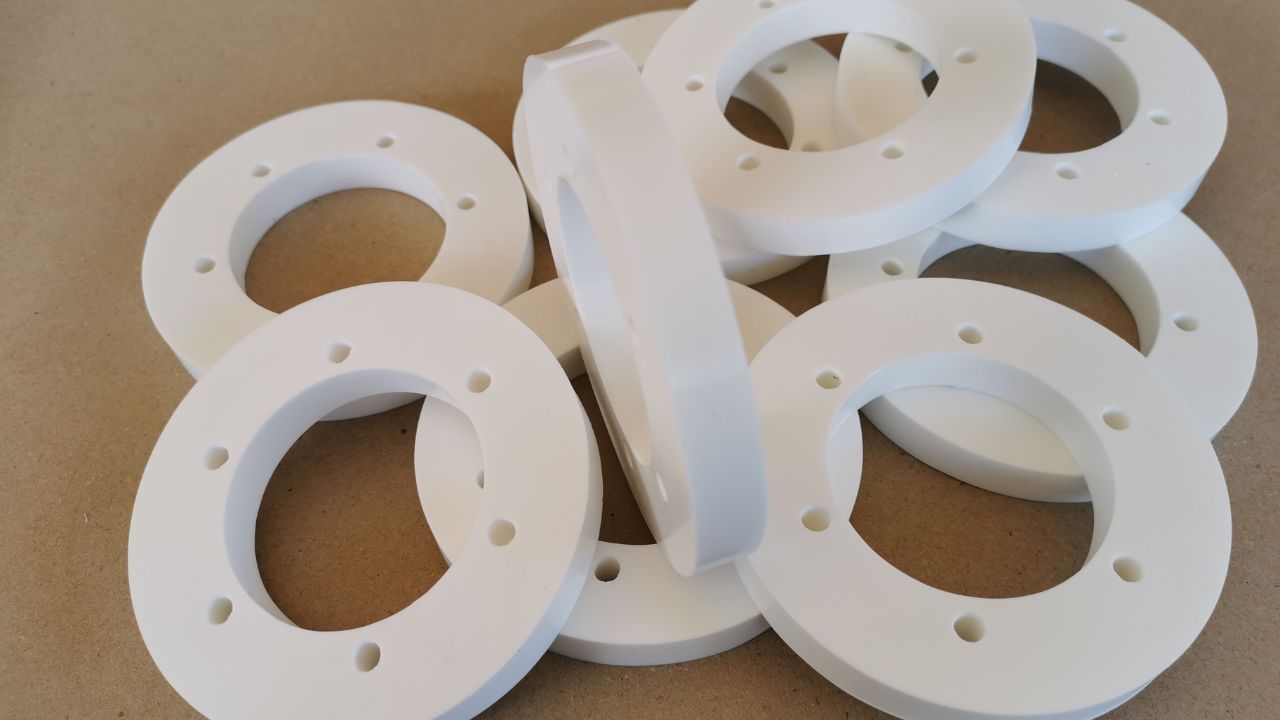
A reliable silicone factory should have a complete quality testing system, which includes IQC, IPQC, and OQC processes. You can make a preliminary assessment of the supplier’s quality inspection capability based on whether their production process complies with the ISO 9001 quality management system.
When you are looking for suppliers, you can also ask them in advance what equipment they use to test product quality, whether there is a quality testing process, and whether it is complete. By understanding the quality inspection system process of suppliers, you can quickly determine whether their production system meets the standards.
Mold Development Capability
When communicating with suppliers, you need to confirm whether the mold is processed by the factory itself or outsourced to a third-party mold factory.
If you want to customize silicone products, you should prioritize suppliers with mold development capabilities.
If the supplier has the ability to manufacture molds in-house, it can improve communication efficiency between you, make timely modifications to the molds, and shorten the production cycle.
Outsourcing molds may be cheaper, but the cycle of modifying molds is longer. And if there are problems with the product, choosing an outsourced mold factory may result in unclear responsibility boundaries.
Capacity And Delivery Time
Before collaborating with suppliers, you also need to confirm whether they have the ability to undertake your project. You need to inquire about the supplier’s monthly production capacity, current order saturation, and minimum order quantity requirements. If your project has certain time requirements, it is recommended that you confirm with the supplier in advance.
After-Sales Service System
If you only focus on the price and delivery time of the customized product but ignore the supplier’s after-sales service system, it may lead to the dilemma of no one solving the problem after the goods encounter problems.
Due to the involvement of molds, material batches, and vulcanization processes, slight color differences, hardness deviations, or burrs between different batches can occur and should be controlled against agreed specifications and acceptance standards in silicone products.
Before cooperating with suppliers, you need to confirm the handling process for cases where the product defect rate exceeds the standard. You’d better look for suppliers who have a complete after-sales service system.
FAQ
Is Liquid Silicone Necessarily Better Than Solid Silicone?
No. LSR has significant advantages in accuracy, consistency, and thin-walled forming, but at a higher cost.
If your product has a simple structure, large wall thickness, and moderate production capacity, solid-state molded silicone can fully meet the requirements, and it may offer lower tooling and production costs for suitable part designs and production volumes.
When choosing a process for a product, you should base it on product design and production volume, rather than blindly pursuing high-end liquids.
Is There A Significant Difference In Performance Between Different Suppliers Using The Same Silicone Formula?
The difference may be significant. Even if they are all food-grade silicone, the purity of raw materials, vulcanization process, and post-treatment from different manufacturers may differ, resulting in significant differences in the compression set, aging resistance, and volatile content of the finished product.
Therefore, the supplier’s process control capability is the key to determining quality. When customizing silicone products, you cannot just look at the material grade.
Why Do Silicone Products Sometimes Have Bubbles Or Surface Defects?
Surface defects such as bubbles, pitting, and flow marks in silicone products are usually related to raw material processing, mold design, and molding processes. Here are some common reasons:
- Air may become entrained during material preparation if mixing and degassing are not properly controlled;
- Inadequate mold venting prevents trapped air from escaping, and the gas inside the mold cavity cannot be smoothly discharged;
- Improper molding temperature or pressure, or an excessive heating rate;
- Residual stains on the surface of the mold or excessive spraying of release agent.
All of the above reasons can cause various appearance defects.
How Do Manufacturers Maintain Consistent Quality During The Silicone Production Process?
Suppliers will ensure product consistency through methods such as raw material inspection and fixed proportioning.
All processes of a reliable factory have standard process windows. They will strictly control various parameters of the production process and conduct regular inspections on semi-finished products.
It is best to confirm that the supplier regularly calibrates and maintains production equipment, molds, and testing instruments when searching for suppliers to reduce accuracy deviations. At the same time, excellent suppliers can keep production records by batch throughout the entire process.
Which Production Process Determines The Hardness Of Silicone Products?
The hardness of silicone products is mainly determined by the raw material formula, although molding and curing conditions can also affect the final measured hardness.
If you have requirements for the hardness of silicone products, you should communicate with the supplier in advance. Selecting a silicone compound with the appropriate base hardness and adjusting the formulation as needed, including the polymer, filler, and crosslinking system as appropriate, can help you set the target hardness from the source.
The vulcanization process is used to develop the required crosslinked network and stabilize the material’s properties. Abnormal vulcanization temperature and time can cause under-curing or over-curing and affect hardness and other mechanical properties.
Final Thought
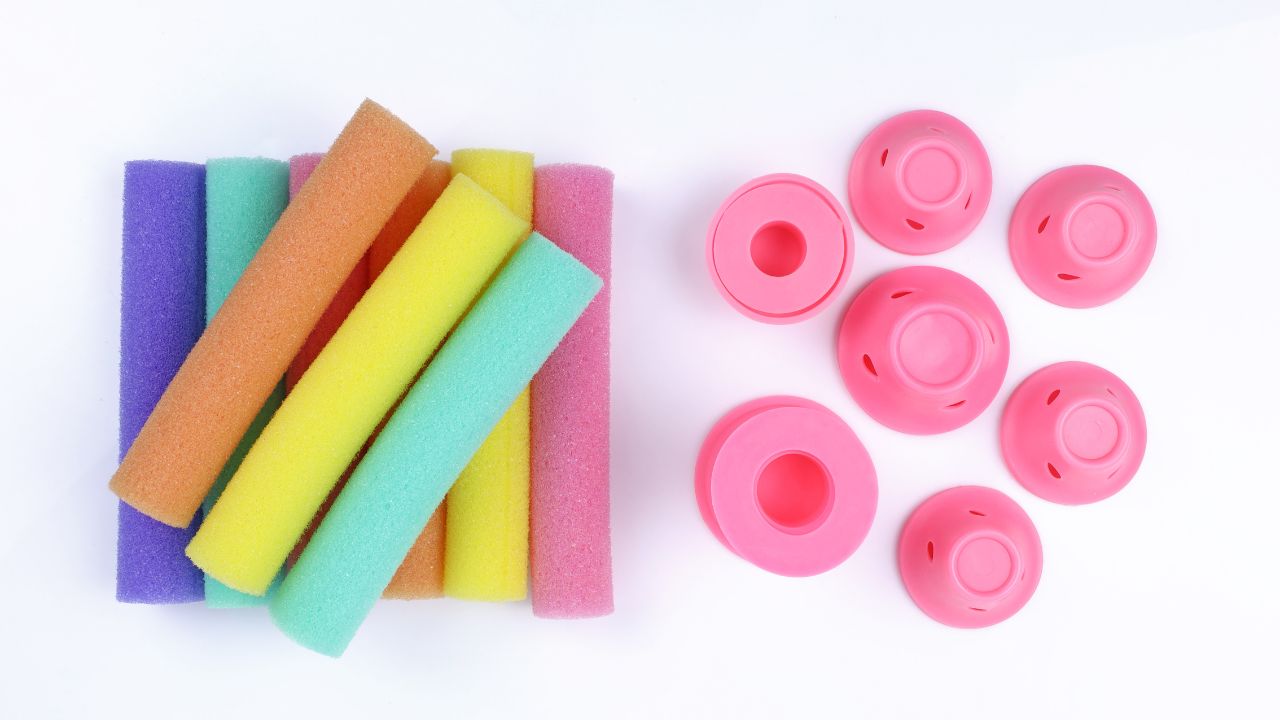
If you are looking for customized silicone solutions for your products or evaluating silicone suppliers, understanding the manufacturing logic of silicone is important for you. We have rich experience in silicone production and customization. If you want to purchase high-quality silicone products, please contact us.