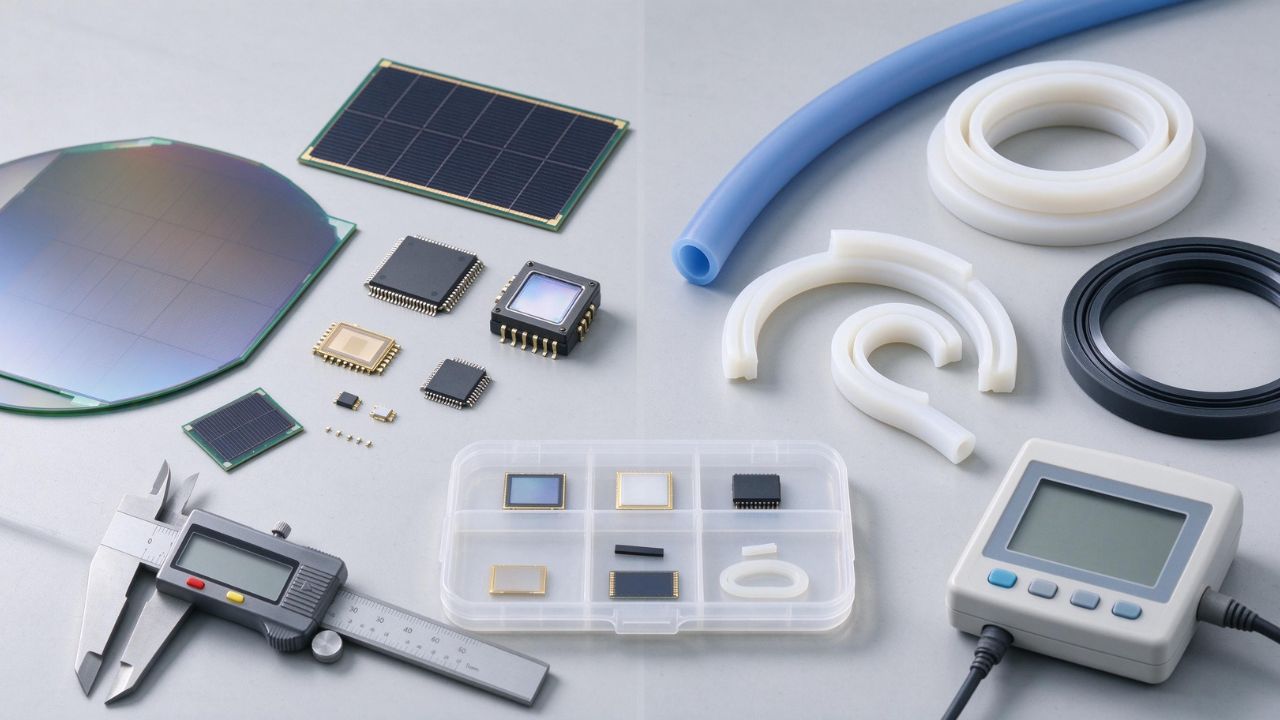
If you want to customize silicone products, then you must understand what Shore hardness is. Silicone with different Shore hardness levels differs in terms of performance, feel, and manufacturing difficulty. Understanding Shore hardness can help you select the appropriate silicone for your product and avoid unnecessary time and cost losses.
What Is The Shore Hardness Of Silicone?
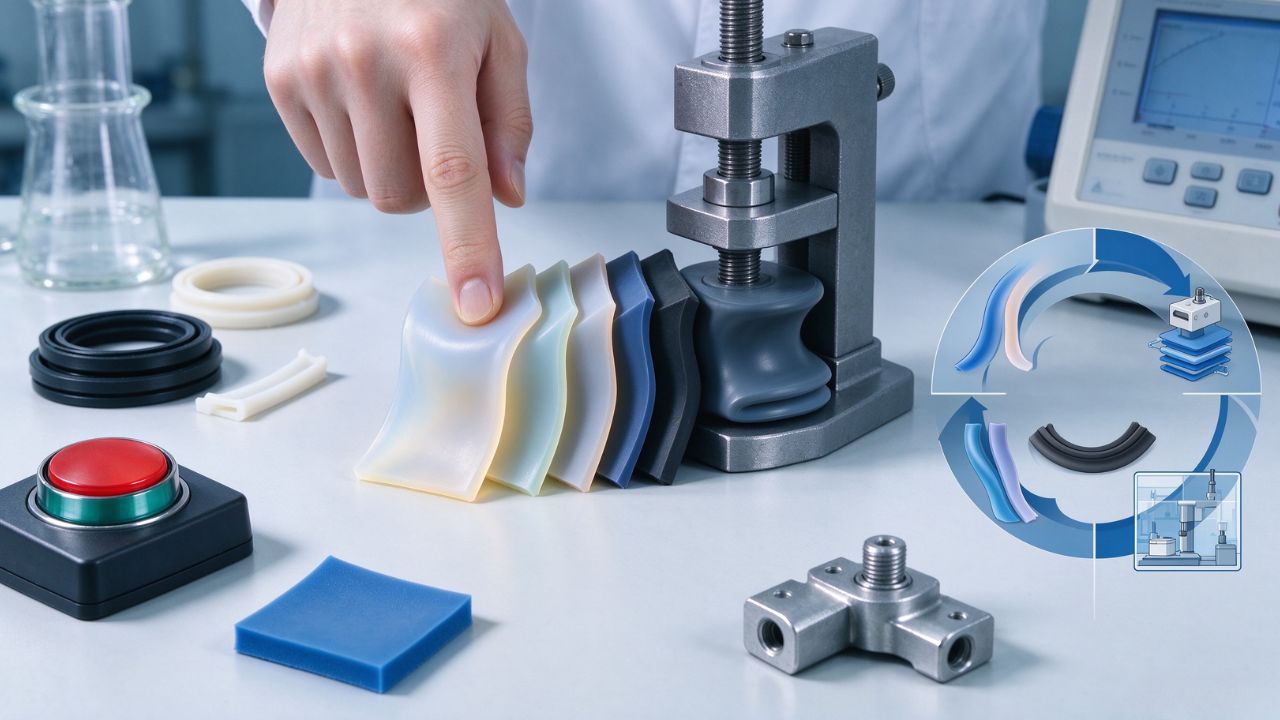
Shore hardness is an indicator of a material’s ability to resist permanent indentation. The value of Shore hardness is measured using a specialized Shore hardness tester. By pressing the Shore hardness tester onto the surface of the material, values ranging from 0 to 100 are obtained based on the depth of pressing. Generally speaking, the higher the value, the harder the material.
The measurement of Shore hardness values is usually carried out on a flat sample surface. The thickness of the measured sample is generally not less than 6mm, and multiple points are taken from each sample to read the average value. It is normal for the same material to have slight differences in results obtained using different hardness testers or measurement methods.
Shore Hardness Standards
Shore hardness is not a single measurement standard. ASTM D2240 covers 12 durometer types: A, B, C, D, DO, E, M, O, OO, OOO, OOO-S, and R. Each type uses a specified indenter and test configuration, making it suitable for particular material and testing conditions.
Each scale is designed for different material properties and applications. Among them, the three most common scales are Shore A, Shore D, and Shore OO.
| Hardness Scale | Measurement Object | Typical Applications |
| Shore A | General rubber/elastomer (medium hardness) | The vast majority of silicone products: kitchenware, seals, buttons, handles |
| Shore D | Hard rubber/class hard plastic materials | High hardness silicone and hard plastic structural components |
| Shore OO | Super soft gel/foam/soft material | Gel pad, super soft baby products, soft contact materials |
Shore A Hardness
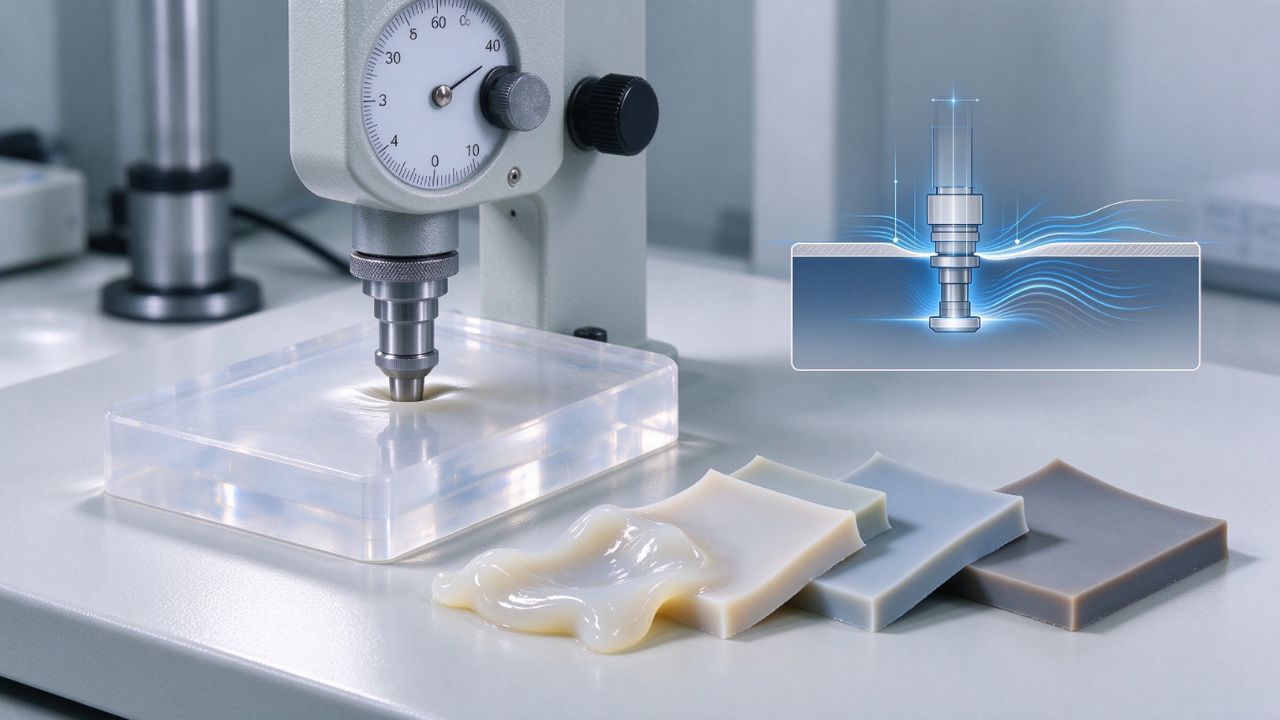
Shore A is the most widely used hardness scale in the silicone industry. Most industrial silicone and customized silicone products are labeled with Shore A hardness. Therefore, you had better have a basic understanding of silicone Shore hardness before you customize them. The conventional range of Shore A hardness is 10A-90A, which basically covers the entire range of performance of silicone from ultra-soft to slightly hard.
The silicone Shore hardness range used for a customized product depends on its formulation, design, and intended application. The following silicone hardness chart can give you a simple understanding of Shore A hardness.
| Shore A Hardness Range | Touch Feeling | Characteristic |
| Shore A 10-30 | Very soft, easy to deform when pressed | Easy to adhere to irregular surfaces and can produce significant deformation |
| Shore A 30-50 | Soft, with noticeable deformation when pressed | Good flexibility, suitable for designs that require a soft touch or fit |
| Shore A 50-60 | There is some deformation when pressed, while maintaining a good shape | Can achieve a balance between flexibility and compressive strength |
| Shore A 60-80 | Relatively hard, with relatively small local deformation | Strong resistance to compression may be more conducive to maintaining shape |
| Shore A 80-90 | The hand feel is relatively hard and not prone to significant local deformation | Strong compression resistance, suitable for specific high hardness elastomer requirements |
Shore D Hardness
Compared to Shore A, Shore D is generally used to measure harder elastomers and rigid or semi-rigid plastics. It has a higher hardness value and stronger material rigidity. Therefore, it is generally less suitable for conventional soft silicone rubber, for which Shore A is more commonly used.
Shore D may be considered for sufficiently hard silicone compounds when the specified test method and measurement range are appropriate. Conventional silicone customization, seals, and flexible components do not require reference to this standard.
Shore OO Hardness
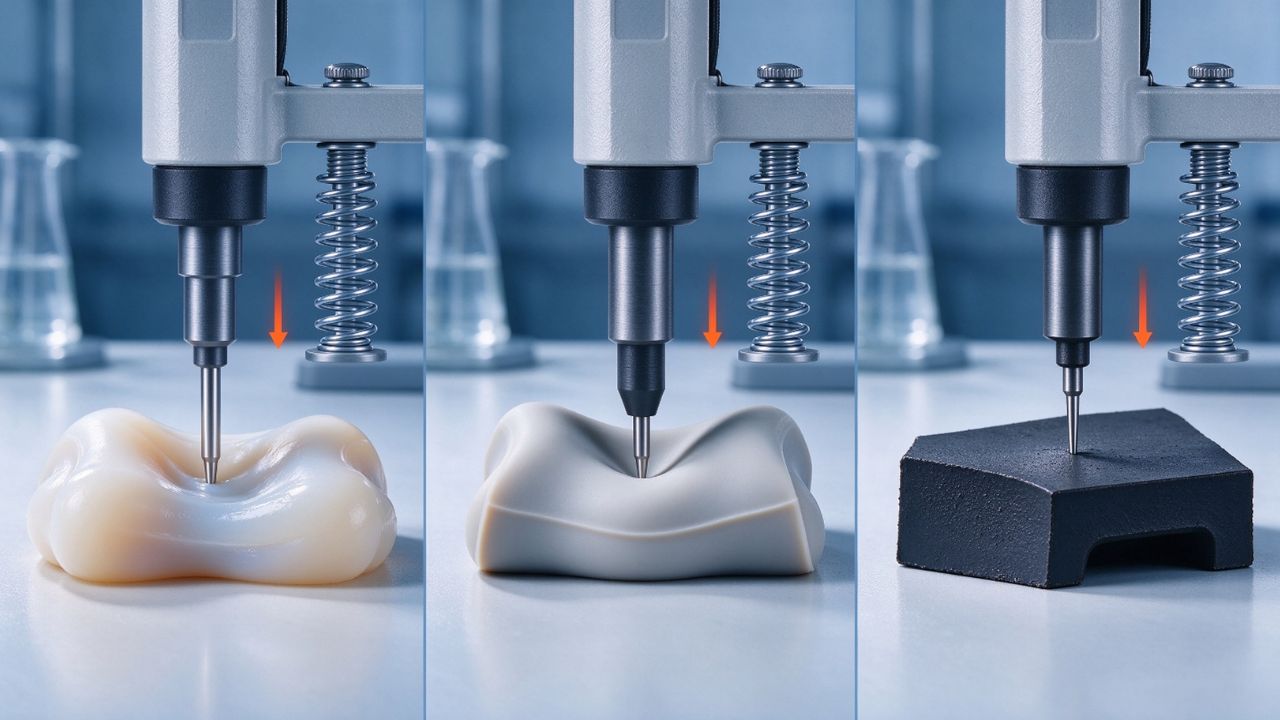
Shore OO is a standard for super-soft gel flexible materials. Its hardness value is very low, corresponding to a soft and easily deformed product.
This scale is useful for very soft materials when Shore A does not provide suitable measurement resolution, such as imitation soft glue, buffer gel, and certain soft cushioning or gel-like components. Ordinary industrial silicone and customized silicone products are usually not suitable for this standard.
The Importance Of Shore Hardness For Silicone Rubber
Shore hardness is one of the most important parameters for measuring silicone. By analyzing the silicone rubber Shore hardness, you can identify the following key properties of silicone.
Flexibility And Deformation
Shore hardness is an important factor influencing the flexible deformation ability of silicone. The lower the Shore hardness of silicone, the easier it is to deform under comparable
conditions.
This silicone may be easier to bend or stretch, depending on the compound and part geometry, and can adapt to repeated flexing or dynamic deformation. Materials with higher Shore hardness have greater rigidity, greater difficulty in deformation, and lower flexibility.
Compression And Sealing Performance
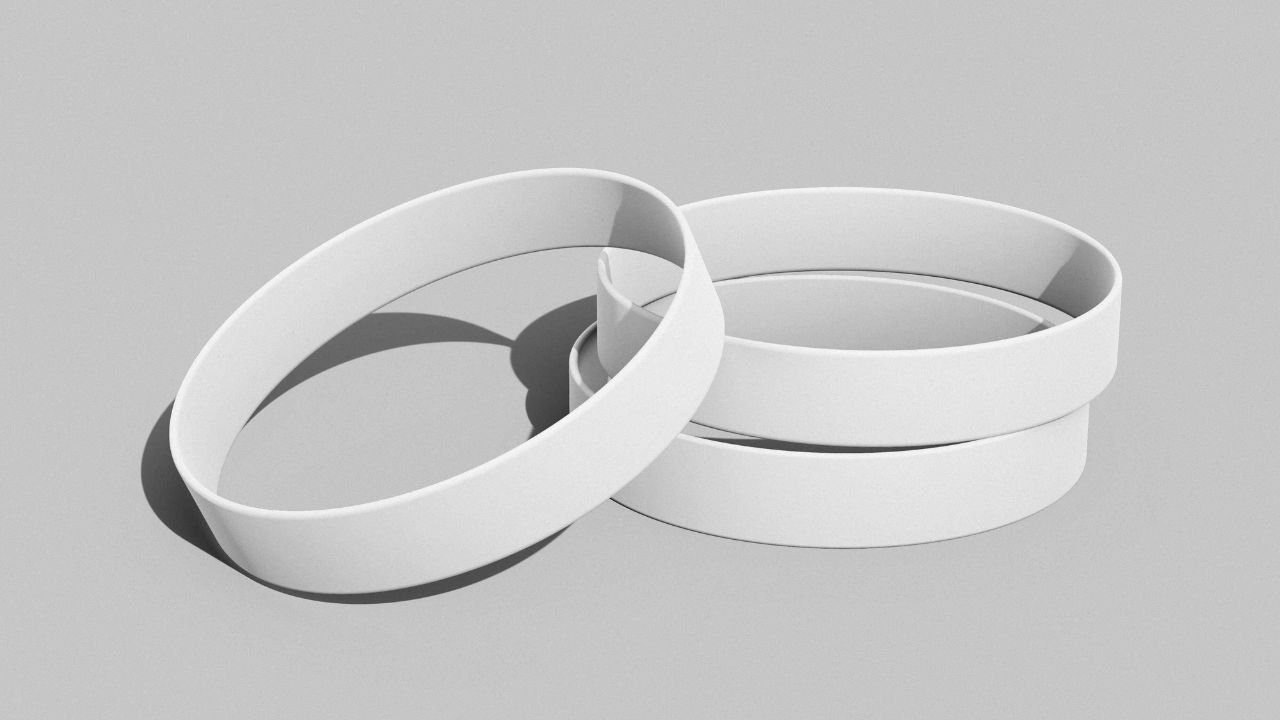
Sealing performance is one of the core advantages of silicone. By measuring the Shore hardness of silicone, you can get a basic understanding of sealing performance.
In most cases, silicone with medium to low hardness has good compression resilience and can quickly fit into gaps after being compressed. Therefore, lower- or medium-hardness silicone may conform more readily to surface irregularities, which is less likely to cause problems such as air and water leakage.
Higher-hardness silicone generally requires greater force to achieve the same degree of deformation, and recovery after compression depends on the compound and its compression-set properties. This type of silicone is more prone to sealing gaps and may not seal effectively if the material hardness and seal design are not properly matched.
Shape Retention And Product Feel
Silicone products with different Shore hardness have different shapes and textures. For example, high-hardness silicone has strong structural stability and is not easily deformed or collapsed.
If your product is mainly a structural support product, then high-hardness silicone is more suitable for you. Low-hardness silicone has a soft and delicate feel, providing a comfortable touch. This type of silicone is more suitable for products that come into contact with people, wear, and kitchen and bathroom environments.
The Influence Of Shore Hardness On Different Silicone Applications

The application range of silicone products is very wide. Silicone rubber Shore A hardness is an important factor when selecting silicone rubber for customized products. Different products are suitable for silicone with different hardness. The table below can provide some reference for your hardness selection, but it is not a fixed industry standard.
| Shore A | Typical Applications | Note |
| Shore A 10-20 | Ultra-soft cushioning components, flexible bonding components, and some special soft molded parts | Pay attention to tear resistance, shape stability, and recovery ability after long-term compression |
| Shore A 20-30 | Flexible sealing lips, soft-touch components, and some silicone accessories for infants and young children | Pay attention to flexibility, structural thickness, tear risk, and related compliance requirements |
| Shore A 30-40 | Flexible gasket, soft sheath, partially flexible seal | Pay attention to fit performance, resilience, and product structure |
| Shore A 40-50 | Silicone kitchenware, flexible protective covers, general gaskets, and molded accessories | Balance flexibility and shape retention ability |
| Shore A 50-60 | Silicone buttons, gaskets, some industrial seals, and molded parts | Pay attention to tactile sensation, compression performance, assembly requirements, and dimensional stability |
| Shore A 60-70 | Industrial seals, plugs, cable sheaths, and harder molded parts | Pay attention to deformation resistance, working pressure, and assembly conditions |
| Shore A 70-80 | Harder industrial parts, supporting components, and specific high-hardness gaskets | Pay attention to stiffness, load, extrusion resistance requirements, and actual wear resistance performance |
| Shore A 80-90 | Specific high-hardness molded parts, supporting or protective components that require higher hardness | Confirm whether the material is suitable for the target hardness and evaluate whether other materials or hardness scales are needed |
Industrial And Automotive
The industrial and automotive industries typically have certain requirements for the hardness of silicone products. This type of product usually does not use silicone that is too soft. For example, industrial gaskets, shock absorbers, and automotive silicone components generally use 40-70A silicone.
This situation emphasizes the wear resistance, compression resistance, oil resistance, and temperature resistance of silicone. If the silicone used in the product is too soft, it may lead to sealing failure after long-term compression.
If the product is just a simple protective shock absorber, then you can choose silicone with lower hardness. If it is a pressure-bearing seal, you should choose medium to high hardness.
Baby Products
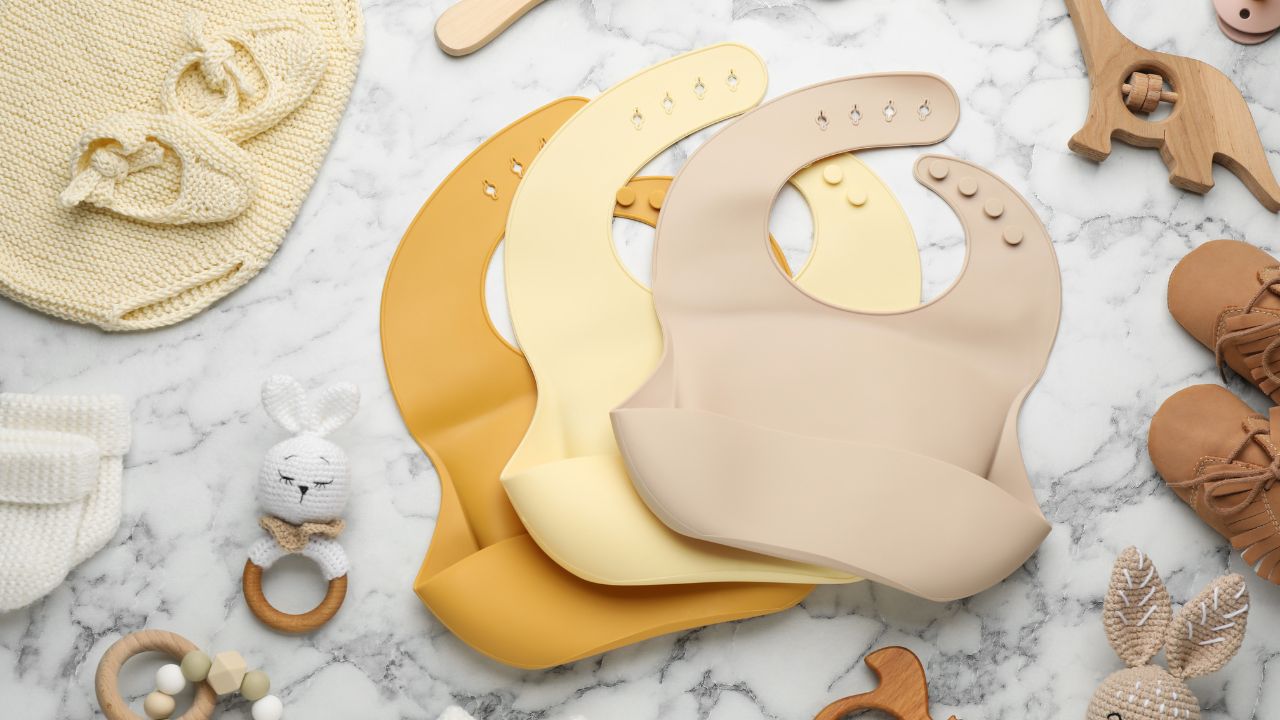
Silicone is widely used in baby products. Silicone can be seen in many baby products. For mother and baby products, the choice of silicone hardness is very important.
Soothing products such as baby teethers and silicone bibs often use silicone with a Shore hardness of 20-30A. Soft silicone can help your product achieve a soft and skin-friendly effect.
The fully wrapped silicone bottle cover used for baby glass bottles should be made of 35-40A silicone. This type of silicone can be easily opened and assembled, while also avoiding being stretched and loosened after repeated disassembly and assembly. This can enhance the user experience of your product.
It should be noted that baby products should not blindly pursue softness in the selection of silicone hardness. Overly soft silicone typically has lower hardness and may cause issues such as tearing and permanent deformation.
Kitchenware And Food-Contact Products
The selection of silicone hardness differs among different kitchen products and needs to be analyzed based on specific applications.
For thin baking molds, silicone with a hardness of 30-40A should be selected to facilitate demolding. If your product requires a certain level of support, you should choose silicone with higher hardness. For example, kitchen utensils such as scrapers and insulated pot mats usually use 45-55A silicone.
In addition, Silicone kitchenware should use materials that meet the applicable food-contact requirements in the target market.
Consumer Electronics And Electronic Devices
The application of silicone in electronic products includes protective silicone covers, silicone buttons, and shock-absorbing pads, among others. Protective shell products typically use silicone with a Shore hardness of 35-45A, which allows the product to balance cushioning performance and appearance.
If it is a silicone button, the hardness needs to be adjusted according to the rebound force requirements. You can communicate with the supplier to choose the specific hardness.
How To Choose The Appropriate Hardness For Silicone Products

The selection of Shore hardness for silicone requires careful consideration of multiple aspects. I suggest that when choosing silicone with different hardness for products, you should make a comprehensive judgment based on the following aspects.
Product Function And Design
Different products are suitable for silicone with different Shore hardness. Before choosing the Shore hardness silicone, you should first clarify the core functions of the product. Seals need to pay attention to compression and rebound, while protective sleeves need to pay attention to fit and installation force.
If your product focuses on sealing, you need to check the compression of the silicone. If your product focuses on grip, you should pay attention to the anti-slip and comfort of the materials.
The requirements for Shore hardness differ greatly depending on the function. If you are unsure about what Shore hardness to choose for your product, you can consult with the supplier.
Required Flexibility And Compressibility
The Shore hardness is closely related to the flexibility and compressibility of the product. Before determining the hardness, you need to estimate the actual amount of deformation required for the product.
If your product requires repeated bending and stretching, then you should choose silicone products with lower Shore hardness and a softer texture. If you want the product to maintain its shape and withstand certain pressure, then you should choose silicone with higher Shore hardness. You can compare the hand feel of silicone with different Shore hardness before making a choice.
Usage Environment
The usage environments of different products are different. The temperature, chemical medium, and pressure of the usage environment can all affect the selection of Shore hardness.
If the product is used in harsh working conditions such as high pressure, high temperature, and frequent friction, you should select Shore hardness based on the required deformation, load, seal geometry, and operating conditions. For room-temperature consumer products, hardness should still be selected according to the product’s function, geometry, and required feel.
If your product needs to be used outdoors for a long time, you also need to consider its UV resistance and the hardness changes after aging.
FAQ
Will There Be Differences In Performance Between Two Silicone Products With The Same Shore A Hardness?
Yes. The silicone rubber Shore A hardness can only indicate the difficulty of pressing the material surface, and it cannot reflect all the properties of the material. Therefore, the properties of materials with the same Shore A hardness may also be different.
The performance of silicone products also depends on factors such as raw materials, vulcanization system, and production process. Therefore, if you want to customize silicone products, you cannot only focus on the Shore hardness of the product.
Will The Hardness Of Silicone Rubber Change Over Time?
Yes. In a storage environment at room temperature and away from light, the hardness of silicone can remain stable.
However, if silicone is exposed to high temperatures, ultraviolet radiation, and oil pollution for a long time, it will age, increase hardness, and decrease elasticity. Silicone may experience issues such as decreased rebound performance, reduced sealing effectiveness, and brittleness and cracking.
Therefore, after purchasing silicone products, you also need to pay attention to the storage of the products to extend their service life.
What Is The Difference Between Shore A Hardness And Elasticity?
The Shore hardness of silicone is not equivalent to elasticity. Shore hardness and elasticity are two independent properties, and you should pay attention to both when purchasing silicone.
Shore hardness is mainly used to determine the softness and hardness of materials, while elasticity mainly refers to the ability of materials to recover their original state after being subjected to stress and deformation. You cannot reliably predict the elasticity of a material solely based on its hardness.
Are There Any Differences In The Recycling Of Products With Different Shore A Hardness?
Yes. Waste cured silicone rubber can be mechanically processed into granules or powder for use in suitable secondary applications. The ease of mechanical processing depends on the cured compound, waste condition, and recycling equipment, rather than Shore hardness alone.
Mechanically recycled silicone rubber powder or granules may be used as fillers or secondary raw materials in suitable applications, depending on the recycling process and material requirements. Cured silicone rubber cannot generally be remelted and remolded like a thermoplastic.
Can The Shore A Value Be Directly Converted To Shore OO Or Shore D?
Cannot be directly converted. Shore OO, Shore A, and Shore D are three independent testing scales. Their hardness tester needles and spring pressures are completely different, and the testing standards are also different. Therefore, there is no precise mathematical conversion formula between them.
They can only provide simple tactile references. If you need precise data, it is recommended to use professional tools for measurement and not directly convert across scales.
Final Thought
Choosing the right Shore hardness is an important step in developing reliable silicone rubber products. NICEONE has been deeply involved in the silicone customization industry for many years, and we can provide you with a complete service from hardness selection to mass production. If you are choosing a high-quality silicone product supplier, please feel free to contact us.