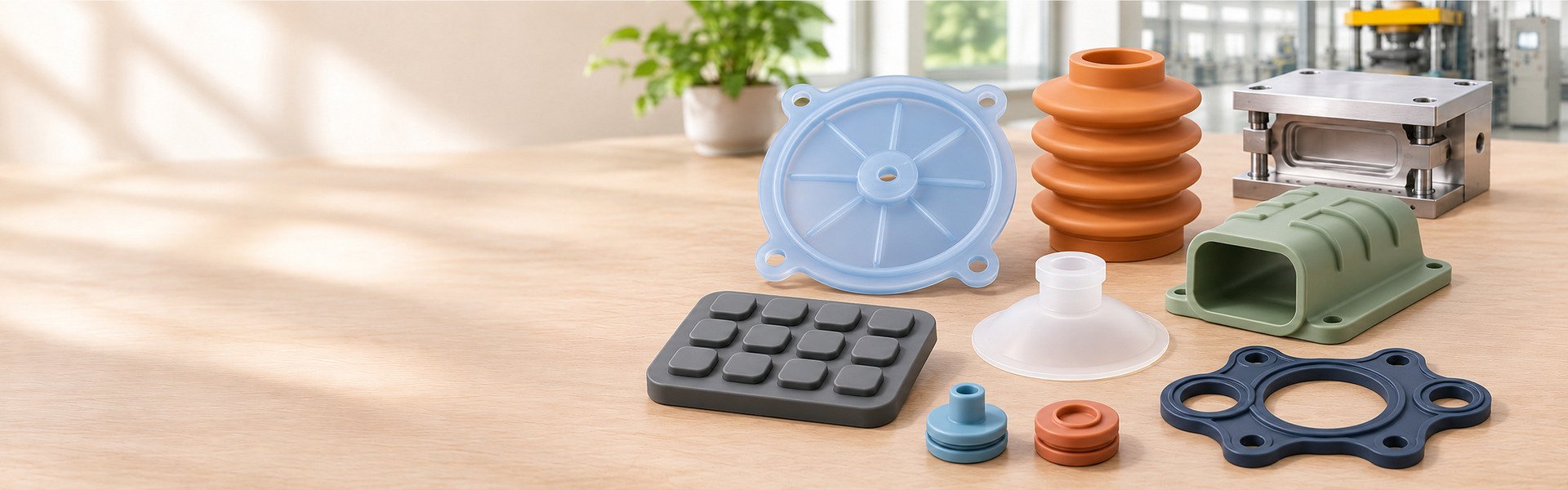
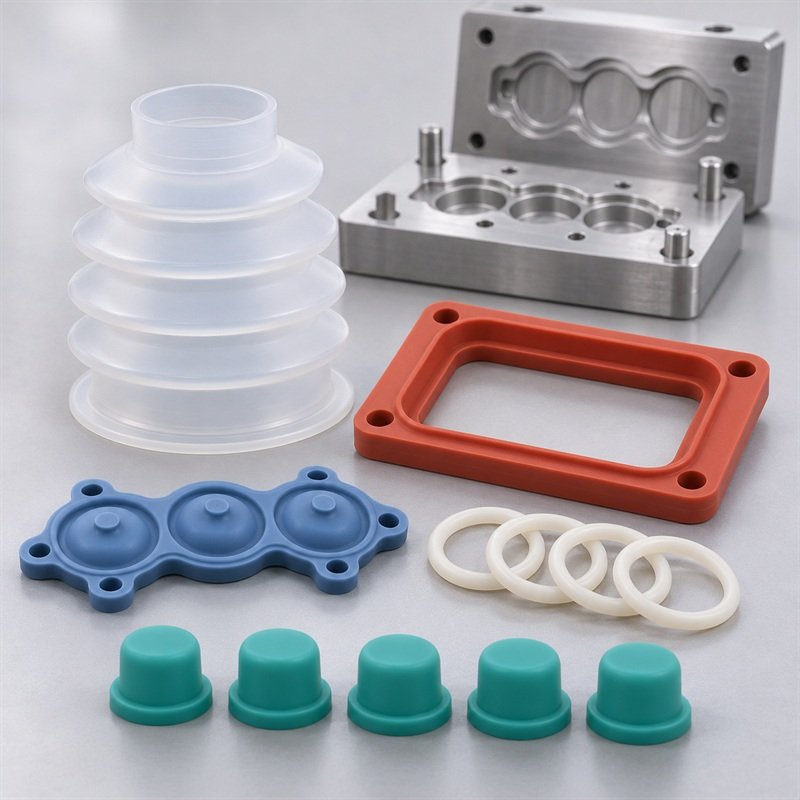
Features of Silicone Rubber
- Direct factory supply of bulk silicone rubber components
- FDA and USP Class VI certified silicone rubber material
- Precision LSR silicone rubber molding with strict tolerance control
- Rapid prototyping for custom-molded silicone rubber parts
- ISO-certified silicone rubber manufacturing minimizing batch defect rates
- Custom Pantone colors and profiles
- Non-toxic, safe silicone rubber for food contact
- Capable of mass-production of custom silicone rubber products
Industrial-Grade High-Performance Silicone Rubber Solutions
NICEONE silicone rubber helps solve problems such as sealing failure, insulation aging, and safety compliance. This product is suitable for precision fluid transportation and outdoor protection scenarios, and is applied in fields such as automobiles, healthcare, food, and electronics. However, it should be noted that standard silicone rubber is not resistant to strong acids, alkalis, and non-polar fuels. Before purchasing, please make sure to confirm the target operating temperature, Shore hardness, and FDA/UL 94 certification requirements.
As a source silicone rubber manufacturer, we offer a full range of silicone products covering solid molding, extrusion, and liquid silicone injection molding. Relying on platinum curing technology and customization capabilities, our high-performance silicone rubber products have excellent weather resistance, tear resistance, and long-lasting elasticity, and can be delivered stably in large quantities to your production line.
Our Products
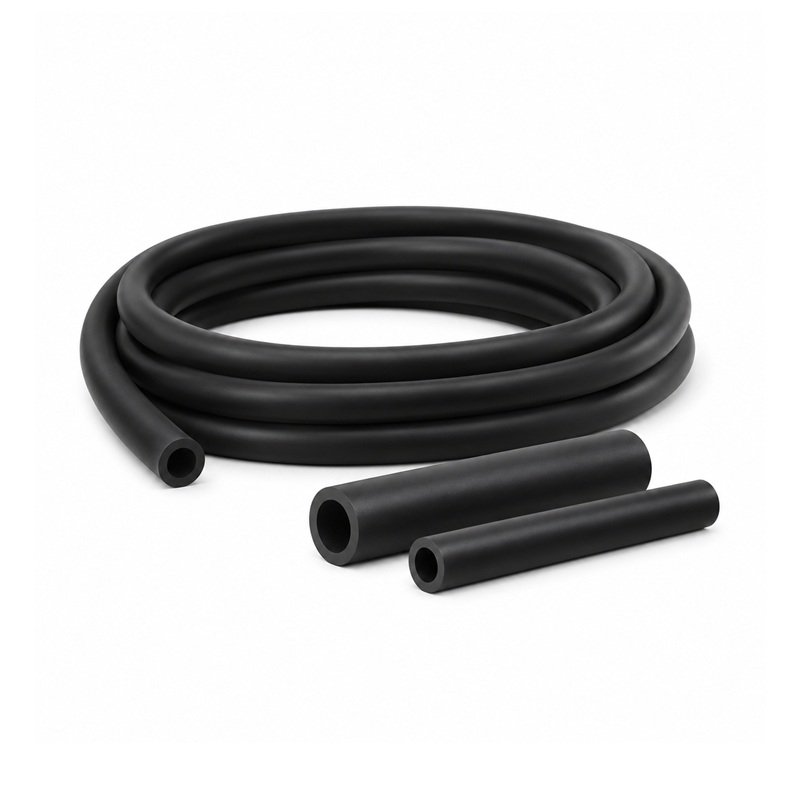
It has excellent electrical insulation and flame retardant protection properties, preventing the wear and aging of the wiring harness. Your industrial equipment and circuit systems can operate stably for a long time.
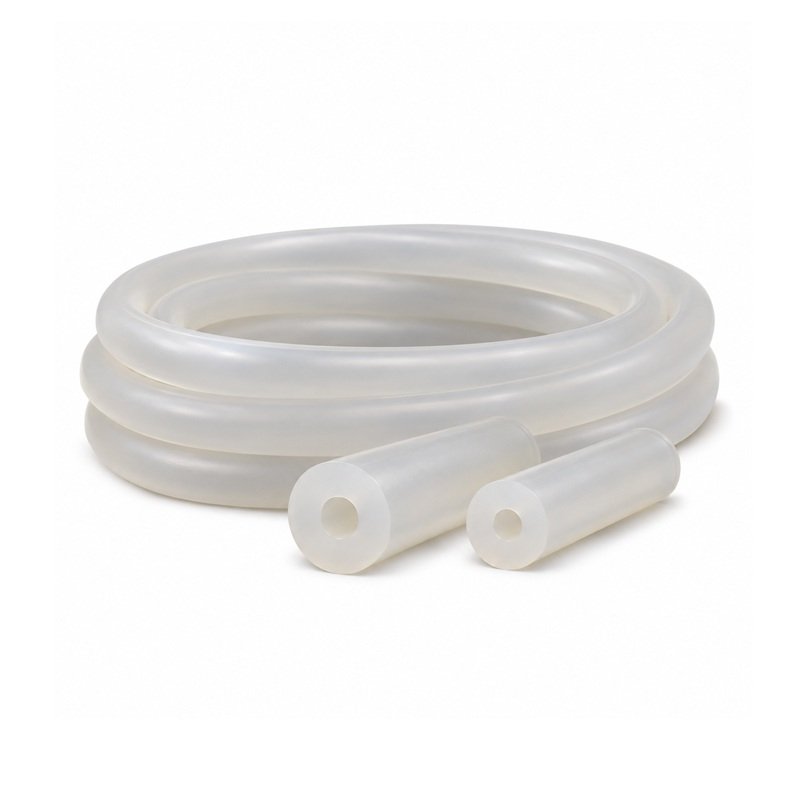
Due to the thickened pipe wall and small inner diameter (up to 10mm), its exceptional vacuum collapse resistance effectively prevents collapse and ensures the airtightness of the laboratory and semiconductor vacuum transmission systems.
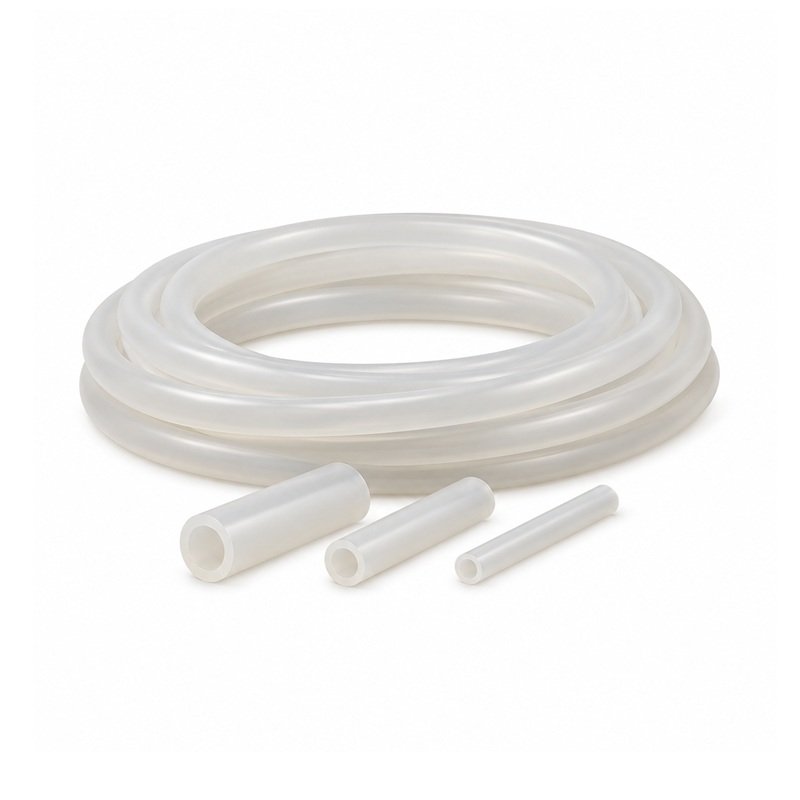
It combines high elasticity with low procurement costs, making it an economical choice for industrial fluid transportation and household appliance drainage, helping you control material costs.
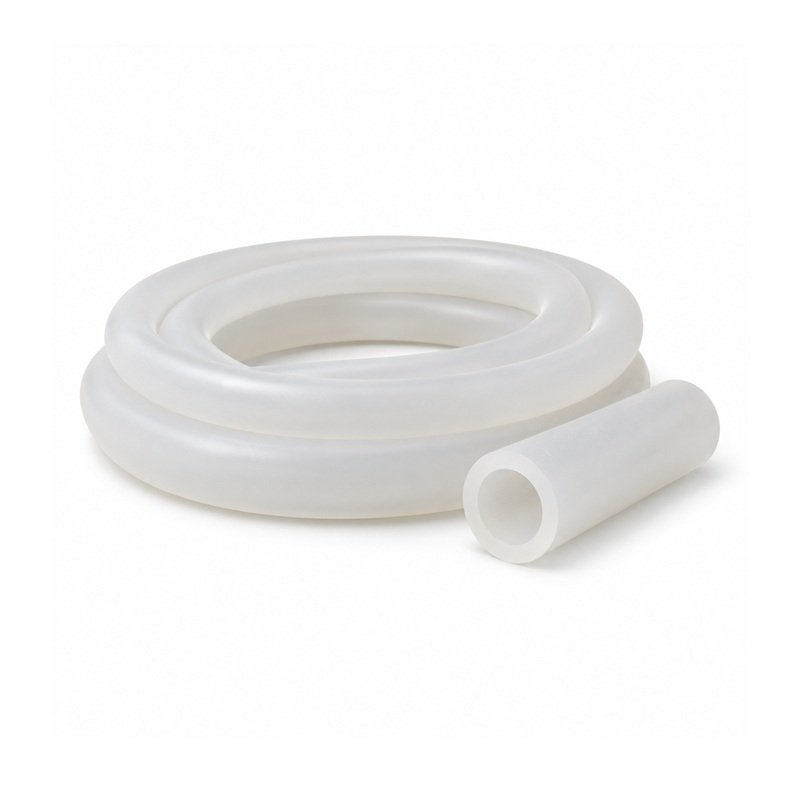
The platinum-curing process does not leave any peroxides behind. The inner wall is extremely smooth, preventing the growth of bacteria. This product complies with FDA standards and reduces the cleaning frequency of food and dairy production lines.
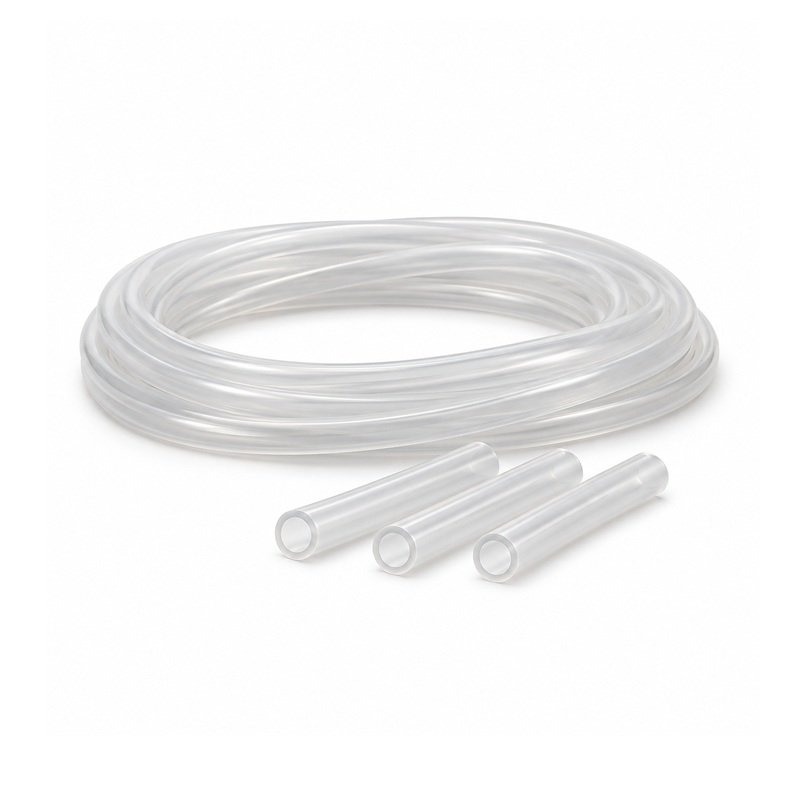
With extremely high purity and ultra-low extractables, it is specially designed for biopharmaceuticals, peristaltic pumps and precision medical devices, helping you pass the strict industry audits.
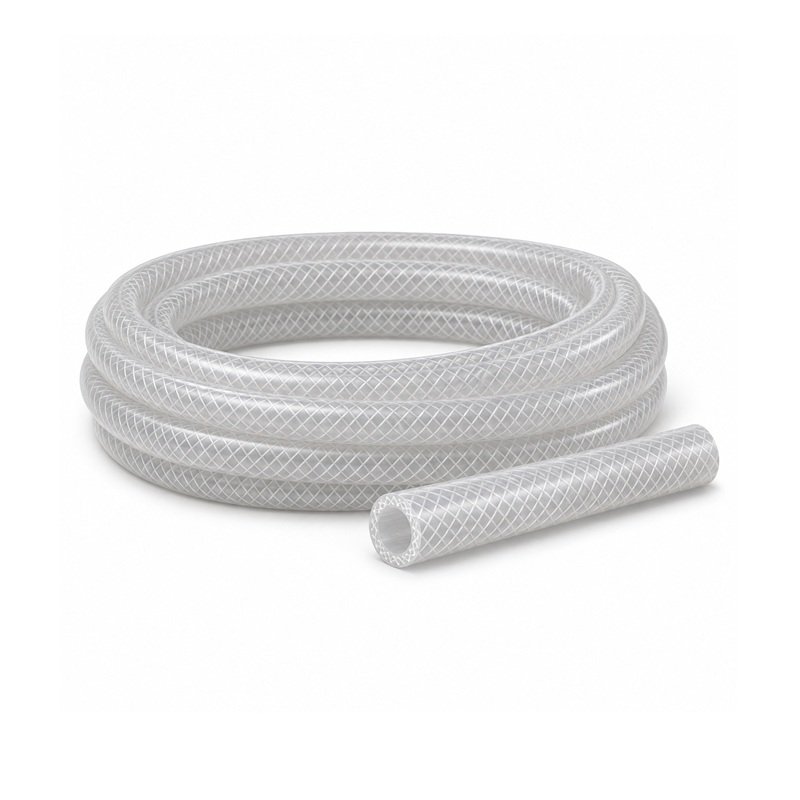
The hose is equipped with high-strength polyester fibers to enhance its ability to withstand high internal working pressures and extend its service life. It is suitable for high-load coolant circulation and industrial high-pressure transportation.
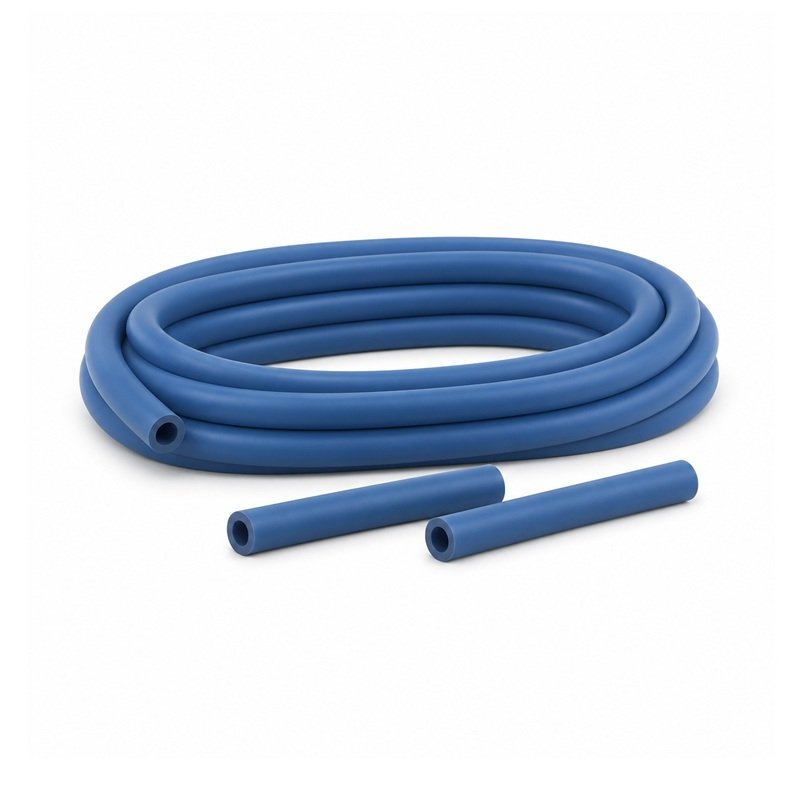
Using a fluorosilicone modified formula, it combines both temperature resistance and solvent tolerance, effectively preventing fuel penetration and enhancing the safety of automotive and aerospace power systems.
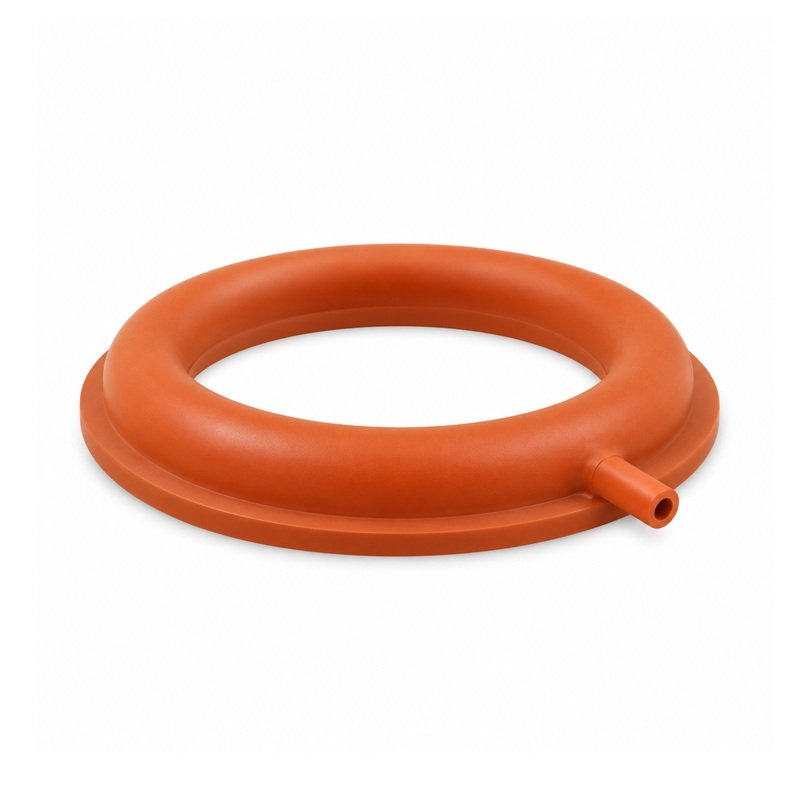
After inflation, it can tightly fill irregular and dynamic gaps. Once the air supply is cut off, it will immediately retract and will not hinder the opening and closing process. It is suitable as a sealing barrier for clean rooms.
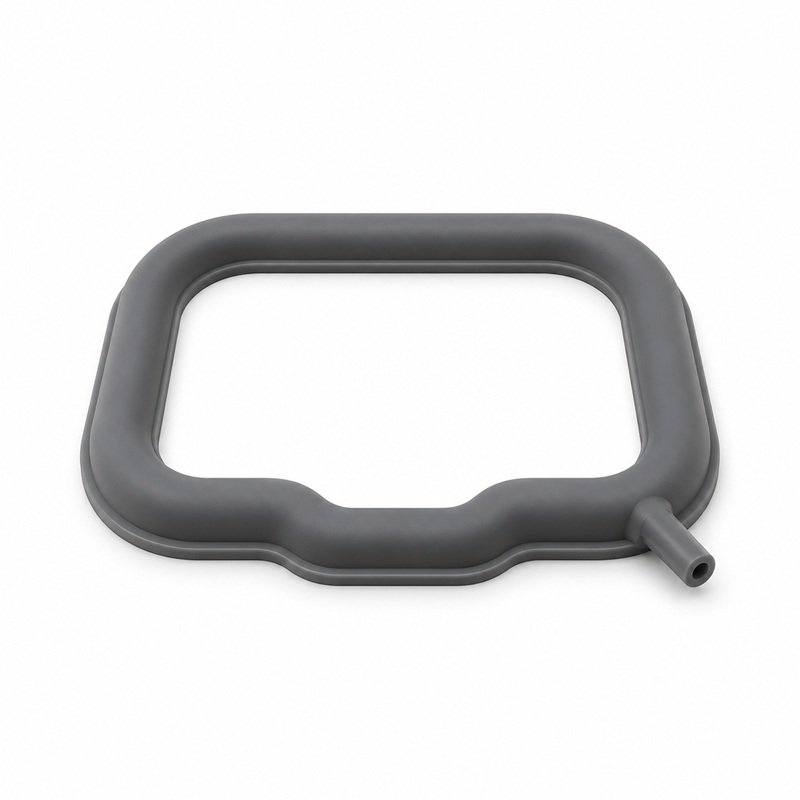
The corners and cross-sections can be customized according to the device’s grooves, and it can withstand inflation and deflation cycles as well as extreme temperature differences.
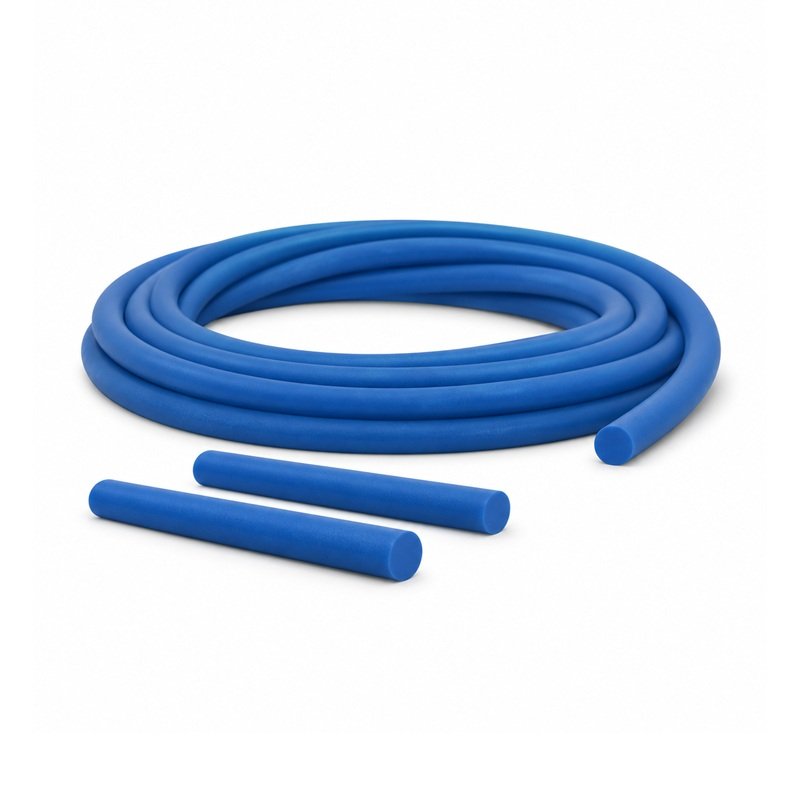
After being uniformly mixed with magnetic metal additives, even if debris is produced, it can still be effectively detected and eliminated by the metal detectors in food and pharmaceutical production lines, reducing foreign object contamination.
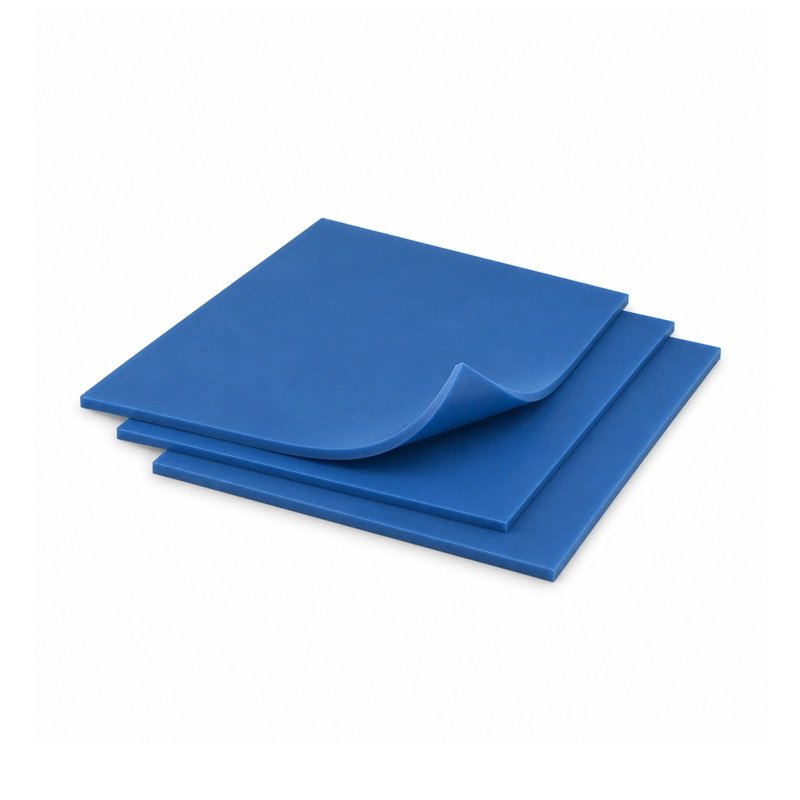
It combines security and high-sensitivity metal detection response, and is suitable for use as a buffer pad for food sorting tables and filling machines.
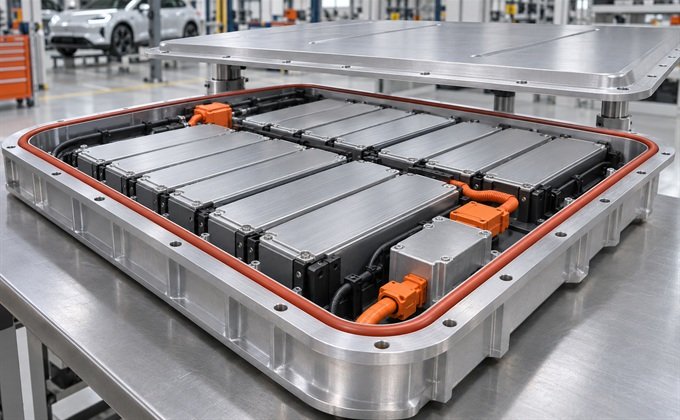
For its battery pack sealing system, a certain new energy vehicle brand selected our industrial-grade silicone rubber sealing strips.
These sealing strips possess excellent resistance to high and low temperatures as well as anti-deformation capabilities. They can maintain stable sealing even in extreme environments ranging from -40℃ to 200℃. The battery pack of the vehicle has achieved IP68 level waterproof and dustproof protection, thereby enhancing the overall safety and service life of the battery system.
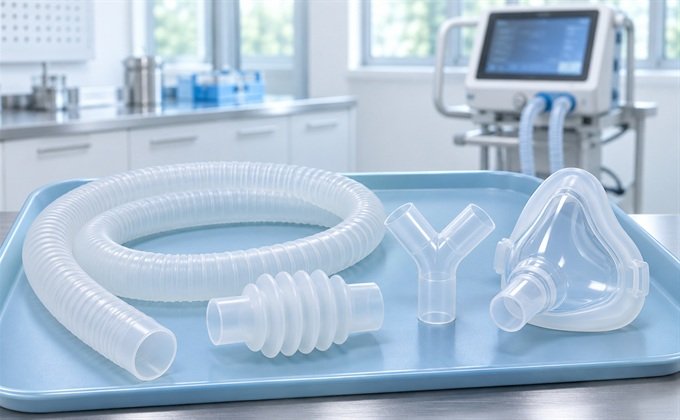
This international medical equipment manufacturer intends to launch a new generation of medical ventilators. We provide them with liquid silicone rubber for precise injection molding. This silicone rubber material has passed strict biocompatibility certification, is non-toxic, odorless, and resistant to repeated disinfection with high-temperature steam. The product not only has a soft touch and high fit, enhancing the comfort of patients when wearing it, but also reduces the risk of cross-infection during the use of the medical equipment.
A power grid project is located in an area with strong salt fog and high ultraviolet radiation along the coast. We provide high-temperature vulcanized (HTV) silicone rubber as the outer casing for the transmission lines.
By leveraging the excellent hydrophobicity, tracking resistance, and anti-aging properties of silicone rubber, the lines can effectively prevent flashover accidents even when exposed to harsh weather and severe pollution. The daily maintenance costs of this power grid project have been significantly reduced, and the regional power supply has been long-term stable.

A high-end kitchenware brand has launched a new series of baking molds, all made of food-grade silicone rubber.
Our silicone rubber material complies with FDA and LFGB safety standards, featuring excellent softness and non-stick properties, making it easy to remove the baked goods. It can be used for long periods at a temperature of 230℃ in the oven without releasing harmful substances. After its launch, it quickly became a best-selling product in the baking market, achieving double success in terms of sales and reputation.
Specifications
- Silicone Rubber Physical and Mechanical Properties
- Thermal, Electrical and Compliance Specifications
| Hardness | 10 – 85 Shore A |
| Tensile Strength | 4.5 – 11.5 MPa |
| Elongation at Break | 200% – 800% |
| Tear Strength | 10 – 45 kN/m |
| Compression Set | 10% – 25% |
| Specific Gravity | 1.05 – 1.50 g/cm³ |
| Rebound Resilience | 40% – 65% |
| Linear Shrinkage | 1.5% – 3.5% |
| Operating Temp. | -60°C to +230°C |
| Brittle Point | -70°C to -115°C |
| Dielectric Strength | 18 – 25 kV/mm |
| Flame Retardancy | HB / V-1 / V-0 |
| Ozone and UV Resistance | No cracking |
| Gas permeability | High selectivity ventilation |
| Compliance | FDA / LFGB / USP VI / RoHS / REACH |
What Is Silicone Rubber?
Silicone rubber, abbreviated as “silicone”, its unique silicone rubber structure consists of a semi-inorganic and semi-organic high-molecular elastomer. Its main chain is composed of alternating silicon and oxygen atoms (-Si-O-Si-).
In English, “Silicone” encompasses various forms such as silicone oil and silicone resin. In the industrial field, silicone rubber can be clearly defined as a rubber-like material with a high cross-linking density.
It outperforms ordinary organic rubber in terms of temperature resistance, chemical inertness, weather resistance, and anti-aging properties, and can meet the strict requirements for sealing, insulation, and protection in extreme industrial conditions.
Advantages of Silicone Rubber
Non-Toxicity and Biocompatibility
Silicone rubber is free from BPA or phthalates and has no rejection reaction on human tissues. The silicone rubber products comply with FDA, LFGB and USP Class VI certifications, providing safety guarantees for food and medical-grade purchases.
Easy to Shape and Process
Silicone rubber supports various industrial molding processes such as compression molding, extrusion and liquid injection molding. It has good fluidity and easy demolding.
It can precisely replicate complex micrometer-level structures, significantly shortening the vulcanization cycle of your injection molding line, and reducing mold wear and processing costs.
Wide Temperature and Heat Resistance
Thanks to its Si-O framework, standard silicone grades operate reliably from -50°C to 200°C, while specialized formulations extend limits from -60°C to 250°C—depending on exposure duration, media, and mechanical load. It serves as an ideal sealing material in harsh conditions.
Weather Resistance and Anti-Aging Property
The saturated molecular structure endows it with inherent anti-ultraviolet, ozone-resistant and moisture-heat aging resistance capabilities. Even when exposed to strong outdoor sunlight or high salt spray in coastal areas for a long time, it will not develop cracks or powdering, thereby reducing the maintenance frequency of outdoor equipment.
Persistent Resilience
With dedicated low-compression-set formulations and controlled post-curing, silicone seals and shock-absorbing components resist permanent deformation under mechanical stress and thermal cycling, maintaining tight contact pressure when properly verified against your specific operating temperature, compression ratio, and chemical media.
Combining Mechanical Strength with Aesthetic Appearance
Modern silicone rubber not only possesses excellent tear resistance and tensile strength, but also supports precise color matching with Pantone color codes. The surface has a smooth and fine texture, is not prone to dust accumulation, and perfectly balances the durability of industrial structure with the appearance requirements of high-end silicone rubber products.
Silicone Rubber Applications
Automobile parts
Silicone rubber has a wide temperature tolerance range of -60℃ to 250℃, along with an extremely low rate of permanent compression deformation.
It maintains its elasticity without hardening even under high temperatures and chemical oil environments in the engine compartment.
It is used in sealing rings for new energy vehicle battery packs, turbocharger hoses, etc., extending the maintenance-free period of core components and helping you achieve lightweight and high safety standards for the entire vehicle.
Medical Devices
Liquid silicone rubber possesses outstanding biocompatibility and chemical inertness, and can withstand repeated sterilization with high-temperature steam and ethylene oxide without degradation. It is used in medical components such as medical catheters, breathing masks, and peristaltic pump tubes.
Kitchenware
The silicone rubber certified by FDA and LFGB will not release harmful substances such as bisphenol A (BPA) even when baked at 230℃ or heated by microwave. It also possesses natural non-stick properties and the ability to resist tearing.
It is widely used in baking molds, food-grade sealing rings, baby nipples, and kitchenware handles. Its excellent demolding efficiency and long durability can reduce the complaint rate of your silicone kitchenware.
Electronic Components
In 5G communication base stations, outdoor LED driving power supplies, and consumer electronics waterproof sealing components, insulating silicone rubber ensures the long-term operational stability of the equipment under harsh outdoor conditions.
It possesses extremely high dielectric strength, hydrophobicity, and arc resistance and electrical scarring resistance capabilities. Even in extreme temperature differences and high humidity salt spray environments, its electrical insulation performance remains stable as before.
Energy and Power
The natural hydrophobic property of silicone rubber prevents leakage accidents and can withstand long-term outdoor exposure to strong ultraviolet rays.
In the sealing of composite insulator skirts and the encapsulation of photovoltaic module connection boxes, silicone rubber is the core protective material, ensuring the stable power supply of the energy system.
HTV is processed through compression or extrusion techniques, thus offering high cost-effectiveness in large-sized profiles, gaskets and pipes that require high mechanical strength.
LSR, as a two-phase liquid, is pumped into high-precision injection molds, enabling rapid molding and eliminating flash. Complex thin-walled components made with LSR can improve dimensional stability.
Both have excellent long-term elasticity and thermal stability. The choice between HTV and LSR mainly depends on your requirements for the geometry of the part, production volume, and mechanical performance.
High-consistency rubber (HCR), also known as solid HTV silicone, is processed by compression molding, transfer molding, and extrusion.
It is used in industrial applications requiring high mechanical tear strength and large cross-sections, such as automotive turbocharger hoses, aerospace door seals, and cable insulators.
For food contact and medical applications, you need to confirm that the materials comply with FDA and EC standards.
Industrial components must have RoHS, REACH and UL 94 flame retardant certifications.
Ensure these qualification requirements in advance to reduce compliance risks and guarantee the safety of your products for end-users in the global market.
Platinum-cured silicone uses an addition reaction and does not produce volatile by-products. It has no shrinkage, high tensile strength and excellent optical transparency, making it highly suitable for food contact, medical and precision molding components.
Peroxide-cured silicone is cured through free radical reaction. It has excellent high-temperature compression setting performance and performs well in heavy industrial sealing components. You can choose the appropriate curing system based on your performance requirements, budget and compliance.
Yes, the multi-functional polymer matrix of silicone rubber can seamlessly integrate functional fillers to meet your demanding engineering requirements.
For electromagnetic shielding or electrostatic discharge protection, conductive fillers such as nickel-coated graphite, silver, or carbon black can be added to the rubber. For strict fire safety requirements, flame-retardant additives such as aluminum trihydrate (ATH) can be added to make silicone rubber achieve the high fire resistance of UL 94 V-0 level, while not releasing toxic halogenated gases.