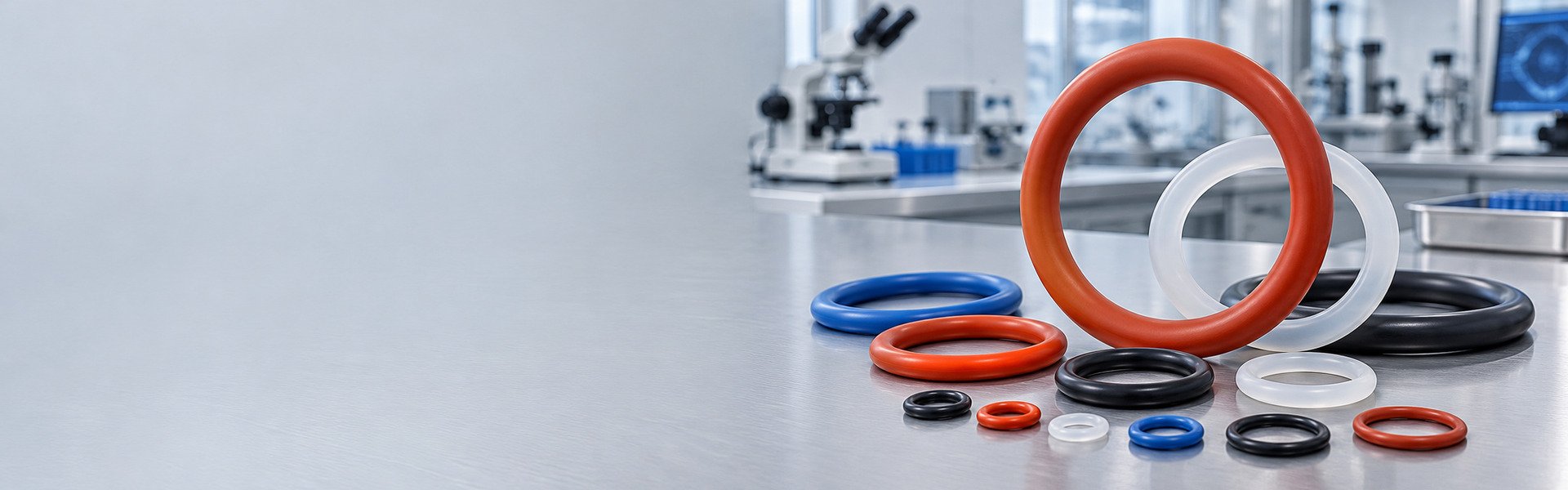
Silicone O Ring Supplier
Niceone high-performance silicone O-rings can prevent the leakage of liquids, gases, dust and other media. With excellent elastic recovery, temperature resistance, and long-term stability, our silicone O rings can maintain reliable sealing in different working conditions and are widely used in industrial equipment, medical devices, food machinery, automotive parts and electronic products.
We offer standard specifications and customized silicone O ring solutions, supporting production based on your engineering drawings, samples, or technical requirements. The specifications include inner diameter (ID), outer diameter (OD), cross-sectional diameter, hardness (Shore A 20–80), color. We can provide special performance material solutions such as food-grade silicone, medical-grade silicone, and high-temperature resistant materials according to your needs.
Whether you need standard silicone O rings or special sizes and special performance seals, we can provide one-stop support from material selection, structure confirmation, mold development, sample verification to batch production.
Contact us to obtain your exclusive customized solutions.
Our Silicone O Ring Products
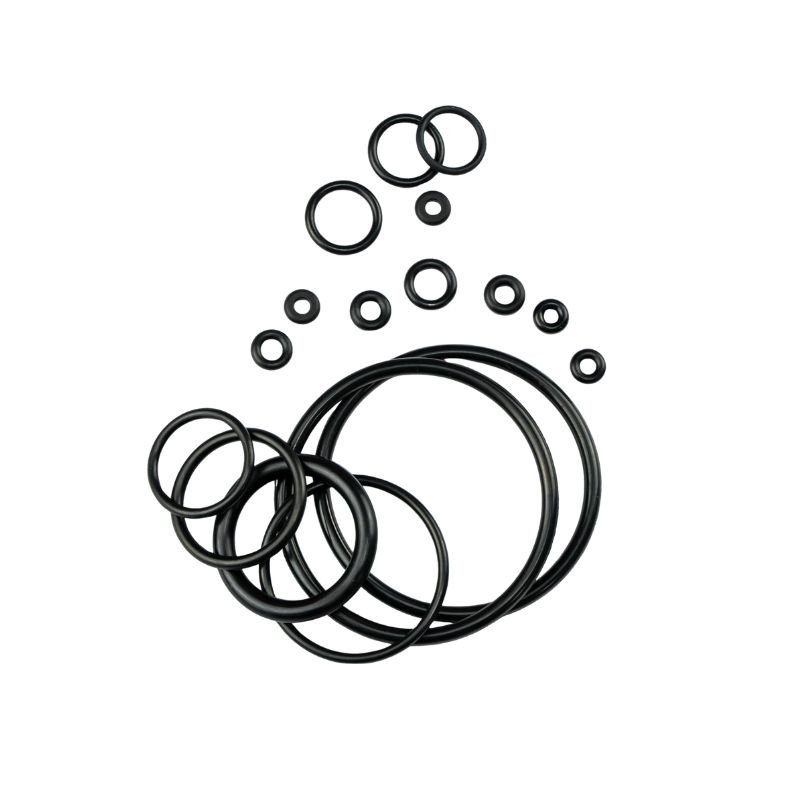
Long-term operation at temperatures above 200°C (392°F). Ideal for ovens, hot runner molds, high-temperature pipelines, hot air drying equipment and injection molding heating accessories.
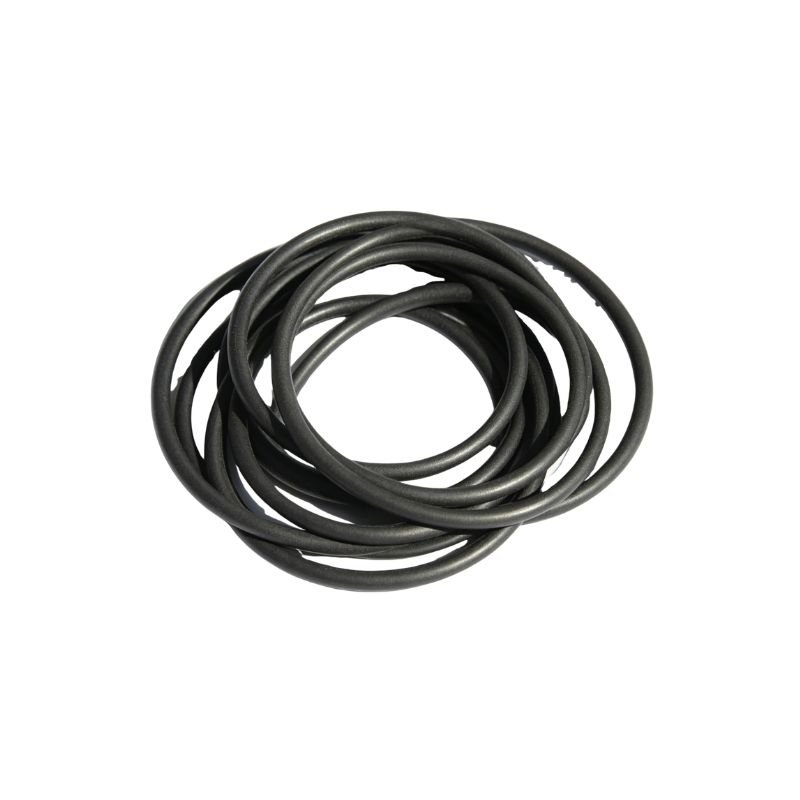
Delivers dual functionality: environmental sealing and EMI shielding / ESD (electrostatic discharge) protection. You can customize the conductive resistance value.
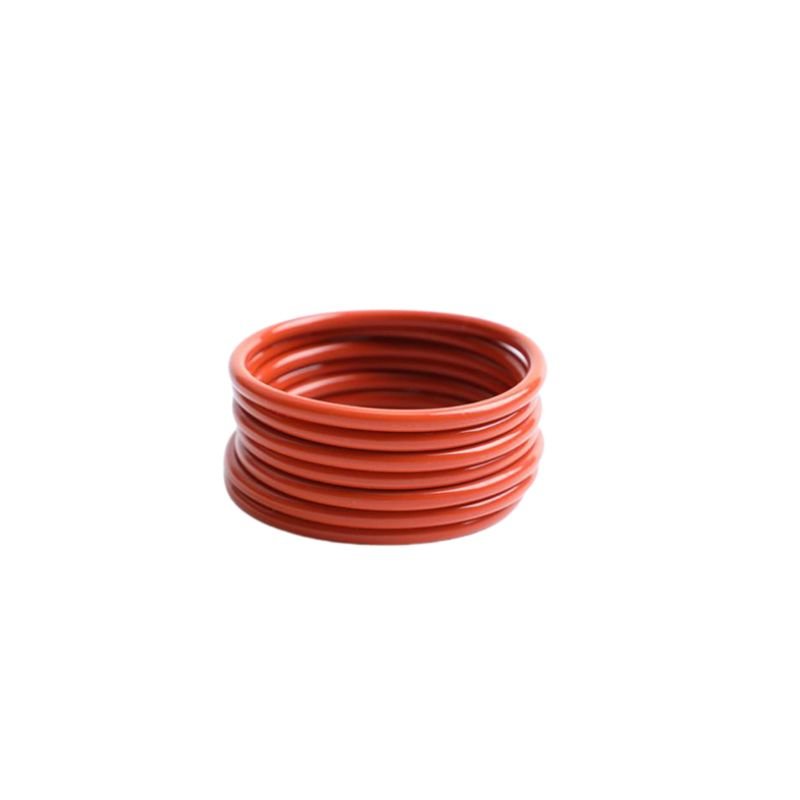
Meets the UL94 V-0 flame retardant grade requirements. When exposed to fire, the silicone o ring can quickly extinguish itself, reducing continuous burning risks.
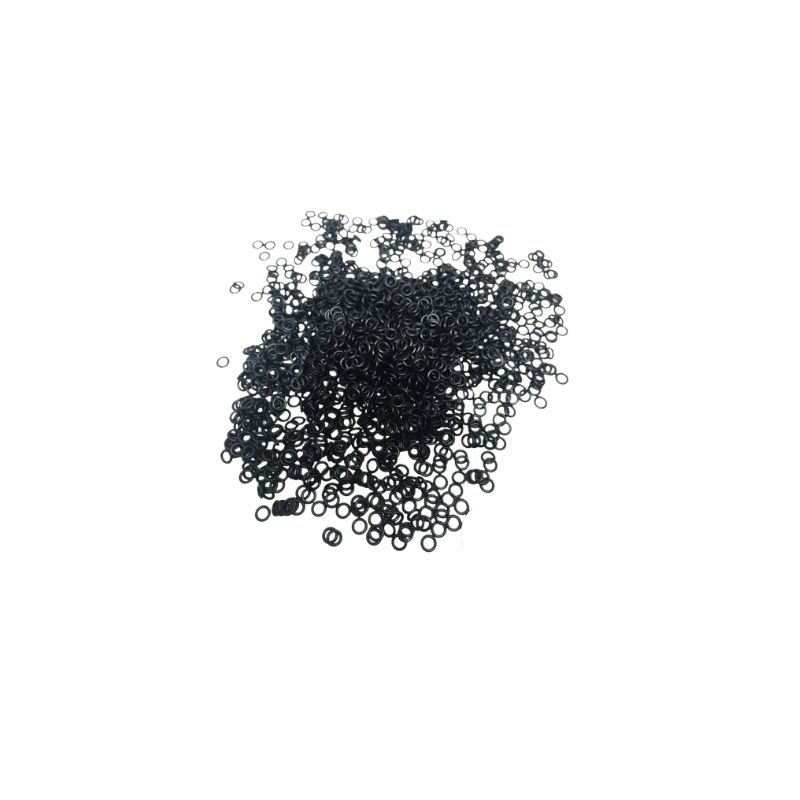
Designed specifically for miniaturized devices, it supports processing with a minimum cross-section of approximately 1.5mm, suitable for small sensors and miniature electronic equipment.
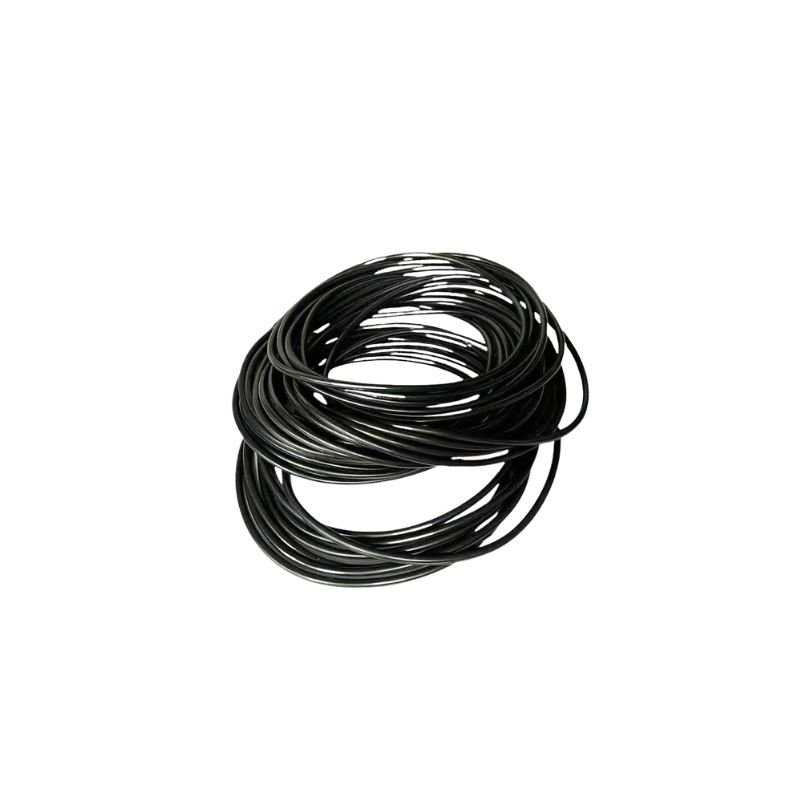
With outer diameters ranging from 100mm to 2000mm. Widely used in large-sized pipe flanges, water treatment equipment, storage tanks and mechanical engineering components.
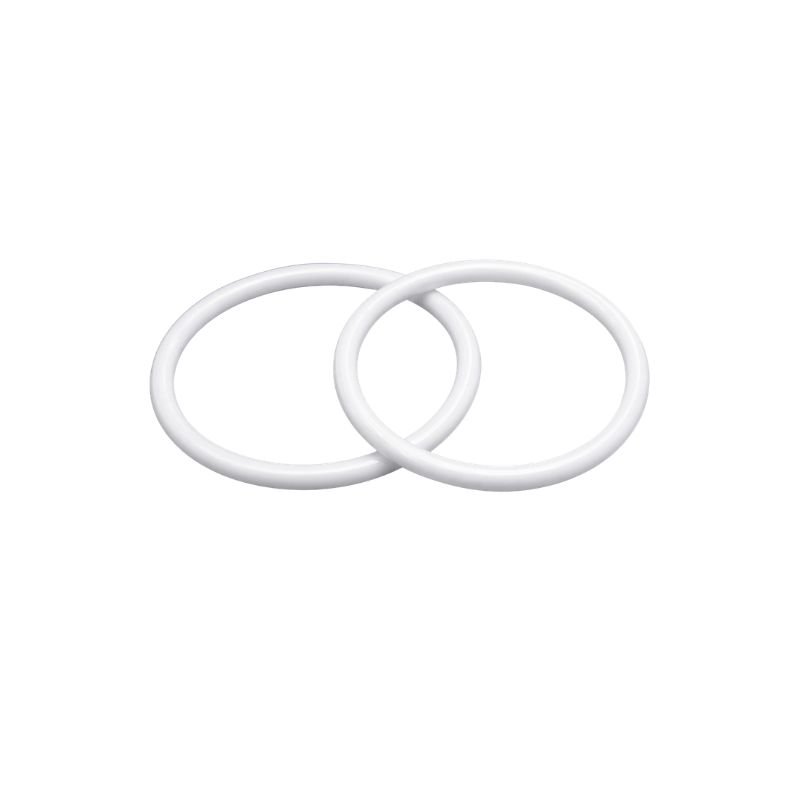
The outer layer is completely covered with a thin layer of PTFE film, resistant to slight oils and low friction. Commonly found in hydraulic equipment, valves, and precision machinery.
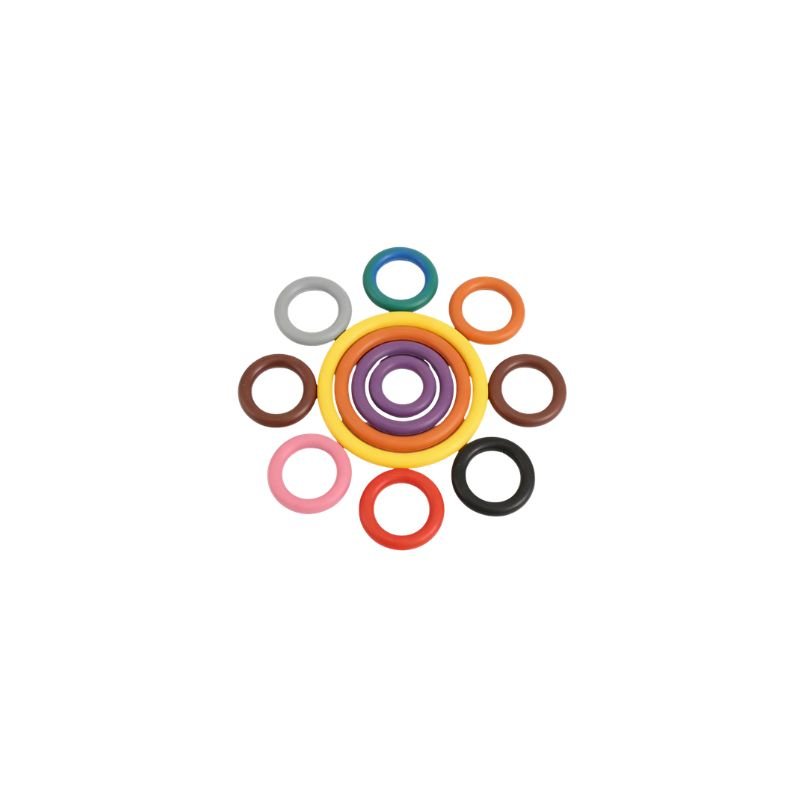
Engineered for aerospace, automotive fuel systems, and sealing applications in contact with fuel and oil media. It offers better resistance to fuels, oils, and solvents.

Achieves an effective seal with minimal compression force. Particularly well-suited for thin-walled structures, low-pressure sealing, and applications where the surface has slight irregularities.
Silicone O Ring Key Advantages

Exhibits excellent elastic recovery and compression stability, and can maintain continuous sealing pressure even during long-term compression usage.

Our silicone O ring can provide you with good elasticity and sealing performance within the temperature range of -60°C to 230°C (-76°F to 446°F).

Provide excellent resistance to ultraviolet rays, ozone and aging. Even when exposed to air, sunlight or outdoor conditions for a long time, it can maintain stable performance.

With excellent electrical insulation properties, our silicone O ring can effectively reduce the risk of electrical current transmission.

It is soft and has good elasticity. Our silicone O ring can more easily fit the sealing groove structure, avoiding pinching or damaging the ring.

It is non-toxic, odorless and tasteless and we provide different materials that meet the requirements of FDA, LFGB, USP Class VI, ISO 10993 and others.

Some silicone materials can be recycled, meeting the national markets’ demands for environmental protection and sustainability.

Supports silicone O ring customization according to your application needs, including size, hardness, color, material grade, and special performance requirements.
Why Choose Niceone?
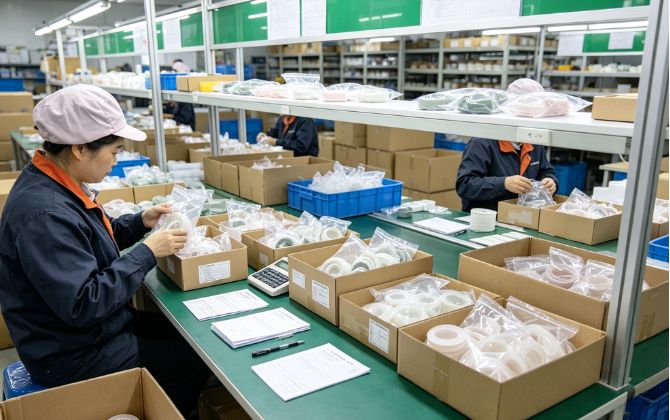
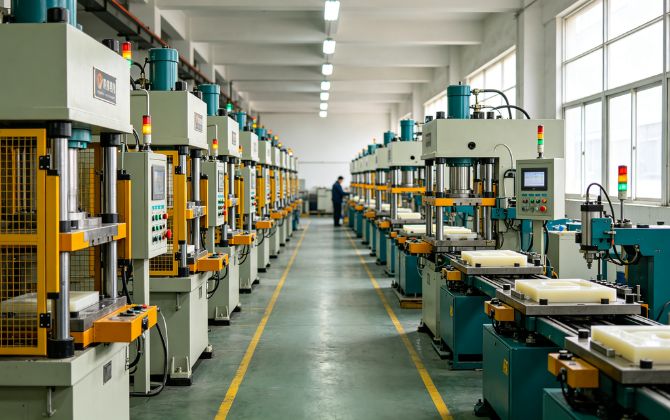
- We produce silicone O rings using professional silicone rubber molding technology, including compression molding, liquid silicone injection molding and precise deburring treatment.
- With approximately 6,000 square meters of production facilities, we operate an ISO Class 8 (Class 100,000) cleanroom that provides a compliant production environment for medical, food-contact, and precision sealing products.
- Each batch of our silicone O rings undergoes strict quality control processes. We adopt an automatic visual inspection system to conduct product appearance inspection for 100% visual screening of batch products.
- From material selection, structural confirmation, sample testing to mass production delivery, we provide rapid response technical support.
Silicone O Ring Applications
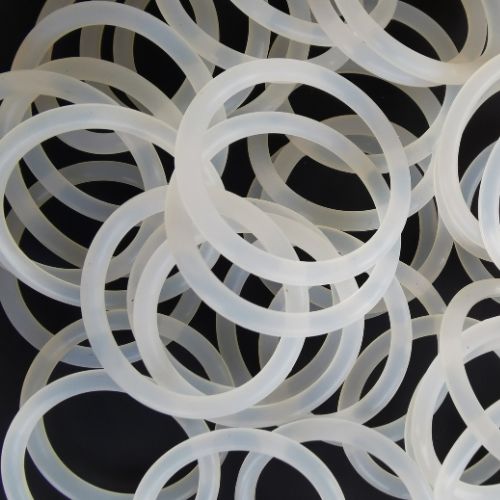
Our food silicone O rings are manufactured using silicone materials that meet food contact requirements, featuring no odor and easy cleaning. They are widely used in food machinery such as beverage equipment, coffee equipment, filling equipment and sanitary piping systems.
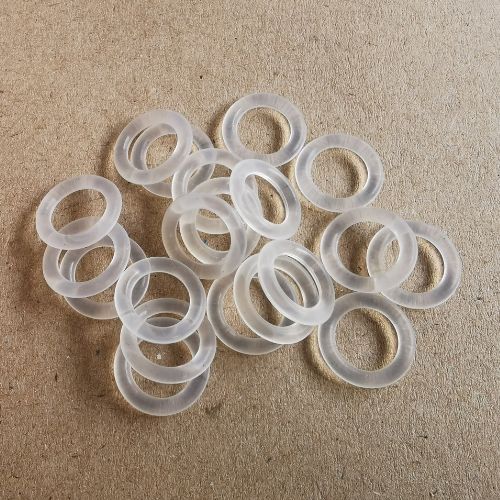
With its excellent biocompatibility, high-temperature resistance and stability, our silicone O ring is widely used in medical devices. We can provide you with silicone materials that meet the relevant requirements, suitable for respiratory equipment, medical pumps and testing instruments.
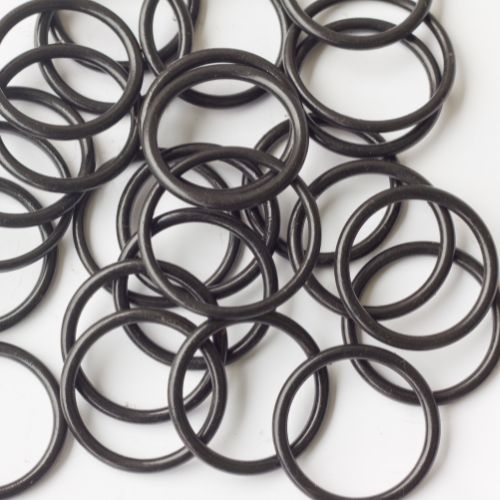
Thanks to excellent insulation performance and aging resistance, they are also commonly found in power components, sensors, LED equipment and precision instruments, helping to enhance the protection level of the equipment and reduce the impact of the external environment.
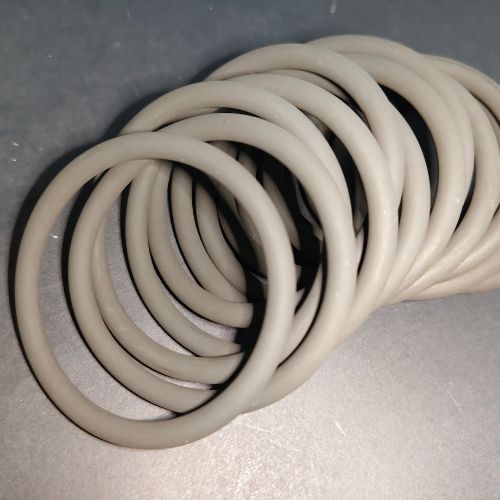
Our silicone O ring can also be adopted in both static and dynamic sealing applications in industrial equipment, such as valves, pumps, pipeline connections, automation devices, and mechanical components.
Silicone O Ring Specifications
| Parameter | Specification |
|---|---|
| Product Name | Silicone O Ring |
| Materials | VMQ (Silicone), FVMQ (Fluorosilicone), Metal-Detectable Silicone |
| Material Grade | Industrial-grade, Food-grade, and Medical-grade Silicone Materials |
| Dimensions | Customizable, including inner diameter (ID), outer diameter (OD), and cross-sectional dimensions. Support drawings, samples or specifications |
| Cross-section | Standard O ring Cross-Section and Special Structural Designs |
| Hardness | Shore A 20–80 |
| Compression Set | Less Than 25% |
| Operating Temperature | -60°C to 230°C |
| Color | Transparent, Translucent, And Based on Pantone Color Codes. |
| Tolerance | ±0.05 mm – ±0.1 mm |
| Coating | Optional PTFE Coating |
| Service Life | 5–20 years |
| Surface Treatment | Supports Screen-Printed Logos, Laser Marking, Scale Markings, And Customer-Specified Markings |
| Manufacturing Process | Supports Compression Molding, Liquid Silicone Rubber (LSR) Injection Molding, And Precision Deburring |
| Certifications | FDA, USP Class VI, ISO 10993 |
The main differences among silicone O ring, NBR O ring and EPDM O ring lie in their material properties and applicable environments.
Silicone O ring features excellent high and low temperature resistance, ozone resistance and anti-aging ability and maintains stable elasticity within a wide temperature range. Compared to other rubber materials, it has better cleaning performance and stability, so that it is an ideal choice for extreme temperatures (-60°C to 230°C), food/medical compliance, and outdoor weatherability.
NBR O ring has good resistance to mineral oil, fuel and hydraulic oil, more commonly used in automotive, hydraulic systems, mechanical equipment and other sealing applications that need to come into contact with oil-based media.
EPDM O ring has excellent water resistance, steam resistance and ozone resistance. So it is the best choice for water treatment equipment and pipeline systems.
Although the ordinary silicone O ring has good temperature resistance and aging resistance, it is not suitable for all working environments.
It is generally not recommended to use silicone O rings for a long time in environments with high concentrations of acids or alkalis, in brake fluid, or in applications involving continuous contact with fuel, mineral oil, or petroleum-based oils. These media may affect the material’s physical properties, causing it to expand, performance degradation or shortened sealing life.
In addition, if your application involves fuel, chemical media or special industrial environments, you should consider fluorosilicone or other rubber materials resistant to media.
The silicone O ring mainly achieves sealing through elastic deformation.
During installation, it will be appropriately compressed by the installation groove and the sealing surface to form the initial sealing pressure. When the equipment is running and subjected to internal pressure, the silicone O ring will further deform towards the sealing gap, making it more closely adhere to the sealing groove wall and contact surface. It effectively prevents the leakage of liquids, gases, and external contaminants.
You need to confirm three key parameters: inner diameter (ID), outer diameter (OD), and cross-sectional dimensions.
There is one more point you should keep in mind. In addition to the O rings’ dimension, the sealing groove size, the installation space, the compression ratio, and the operating pressure are also factors that must be considered in practical applications.
If you have engineering drawings, old product samples or equipment structure information, we can provide size confirmation and customization suggestions, helping you choose the appropriate size.
The common hardness range is 20A–70A. A softer silicone O ring has better flexibility and resilience, and can achieve a good sealing effect with a smaller installation pressure. While a harder silicone O ring has better support and anti-deformation capabilities. When choosing the hardness, you should consider factors such as working pressure, seal groove design, compression rate, and the operating environment.
- Shore A 20–30: Suitable for low-pressure sealing, precision equipment, small structural components, and applications with lower assembly pressure requirements.
- Shore A 30–50: This is the most commonly used hardness range, suitable for most conventional sealing applications.
- Shore A 50–70: Suitable for applications with higher pressure or strict requirements for sealing gap control, such as industrial equipment sealing, high-load mechanical structures, and hydraulic auxiliary sealing.
With a mature peroxide vulcanization process, the peroxide cure silicone O ring has a relatively lower production cost. Therefore, it is an economical choice for most industrial equipment, waterproof structural components, and ordinary sealing applications.
Platinum cure silicone O ring is manufactured using a platinum-catalyzed vulcanization process, which offers higher material purity and lower residual volatile compounds compared to traditional peroxide vulcanization methods. Due to not generating peroxide byproducts during production, platinum-cured silicone O ring provides you with superior cleanliness, lower odor, and more stable material performance. It is more suitable for medical equipment, food processing equipment, laboratory instruments, and applications with higher cleanliness requirements.
For applications that must comply with requirements such as FDA, USP Class VI, and ISO 10993, Platinum-Cured Silicone O-Rings are typically the more suitable choice.
Customizing silicone O rings usually requires developing dedicated molds based on the product size, structure, and production quantity. Compared to plastic injection molds, silicone rubber molds generally offer more flexible costs and are more suitable for the development of small batches of seals and long-term mass production.
Generally, the cost for custom molds is approximately USD 2,000–5,000. The specific cost depends on the size of the O-ring, the complexity of the structure, and the mold requirements.
The standard customization process usually includes: requirement confirmation, engineering assessment, mold development, sample confirmation, and finally, batch production.
The sample development cycle is typically 3–7 days and the production for ordinary molded products takes approximately 7–12 days.
If you want high-precision LSR liquid silicone O ring products, the times will be longer, usually about 12–20 days.
The specific delivery date will be adjusted based on your product design, material confirmation, testing requirements, and order quantity.
To ensure sealing performance and extend the service life, when installing silicone O rings, it is recommended to pay attention to:
- Use lubricants compatible with the silicone such as PFPE/fluorinated grease or PTFE spray. Never use silicone-based lubricants.
- Check for burrs, sharp corners, or contaminants in the sealing groove before installation to prevent scratching the O ring surface.
- avoid twisting, inverting, or overstretching the silicone O-ring.
- Regularly inspect the O Ring for cracks, aging, or permanent compression deformation and replace it in time.